A brand ambassador contract requires five things before the money moves: a defined term, category exclusivity, a morality clause, a schedule of deliverables, and usage rights over every image produced. Miss the disclosure rules attached to all of it and the exposure is no longer theoretical — the Federal Trade Commission can seek civil penalties of up to $51,744 per violation under its rule on fake reviews and testimonials, per the FTC, 2024.
That is the frame. Everything else in the document exists to answer two questions: what is the talent actually selling, and what happens when either side wants out. This article publishes information about how ambassador deals are structured, not legal or financial advice.
What are the core terms every ambassador deal needs?
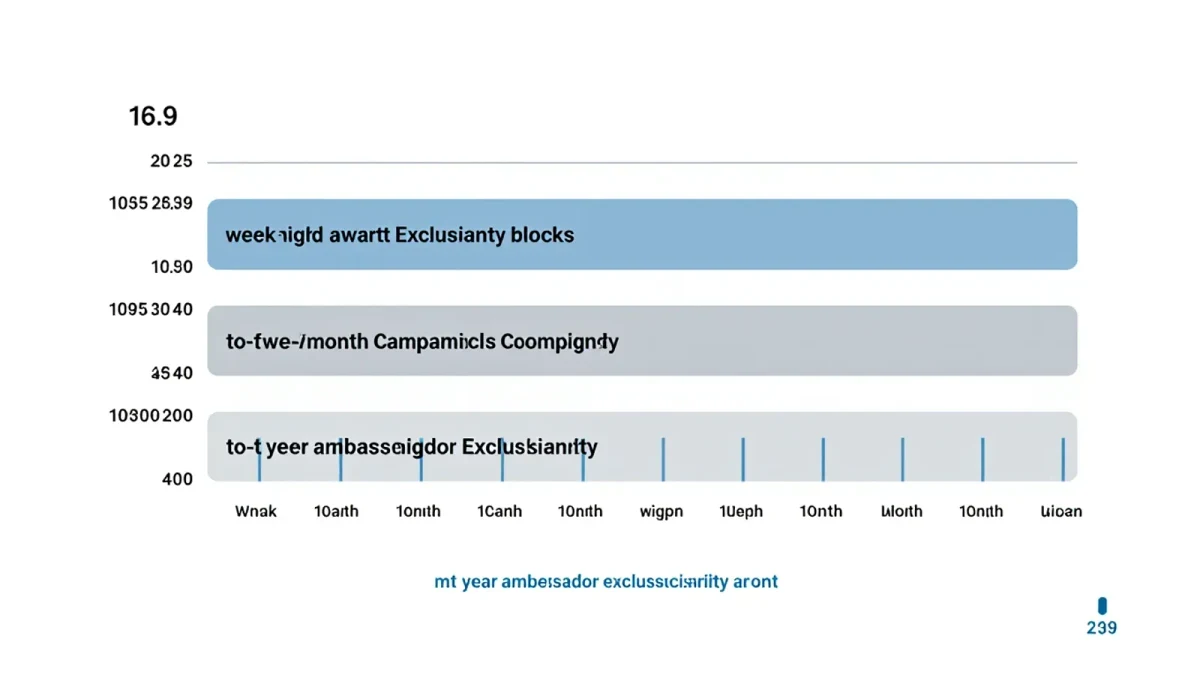
Term, scope and money. The contract states how long the relationship runs — one campaign season, one year, or a multi-year commitment with renewal options the brand controls. It defines the scope: which product lines the talent represents, which territories, which media. And it fixes the compensation structure, usually a flat fee layered with performance bonuses tied to sales windows or content milestones.
The scope clause is where deals are won and lost. An ambassador contract that covers only fragrance does not cover the brand's cosmetics line, and talent that signs broad scope language without carving out future categories has effectively sold the whole house. The definition section, dull as it reads, is the business.
How much do brand ambassador contracts pay?
The spread is enormous, and the market has one clear reference point at the top: Beyoncé's partnership with Pepsi, signed in 2012, was valued at about $50 million including fees and campaign support, per press reports at the time, 2012. Below that ceiling, global ambassadorships for luxury houses typically run in the low-to-mid seven figures annually for A-list names, per trade reporting on endorsement terms.
The middle market is where most working actors and musicians live: mid-six figures for a two-year beauty or fashion ambassadorship, with separate fees for appearances, campaign shoots and social posts. Every figure is negotiable, and every figure is quoted by the side paying it — treat announced values as marketing until a filing says otherwise.
What does exclusivity actually lock up?
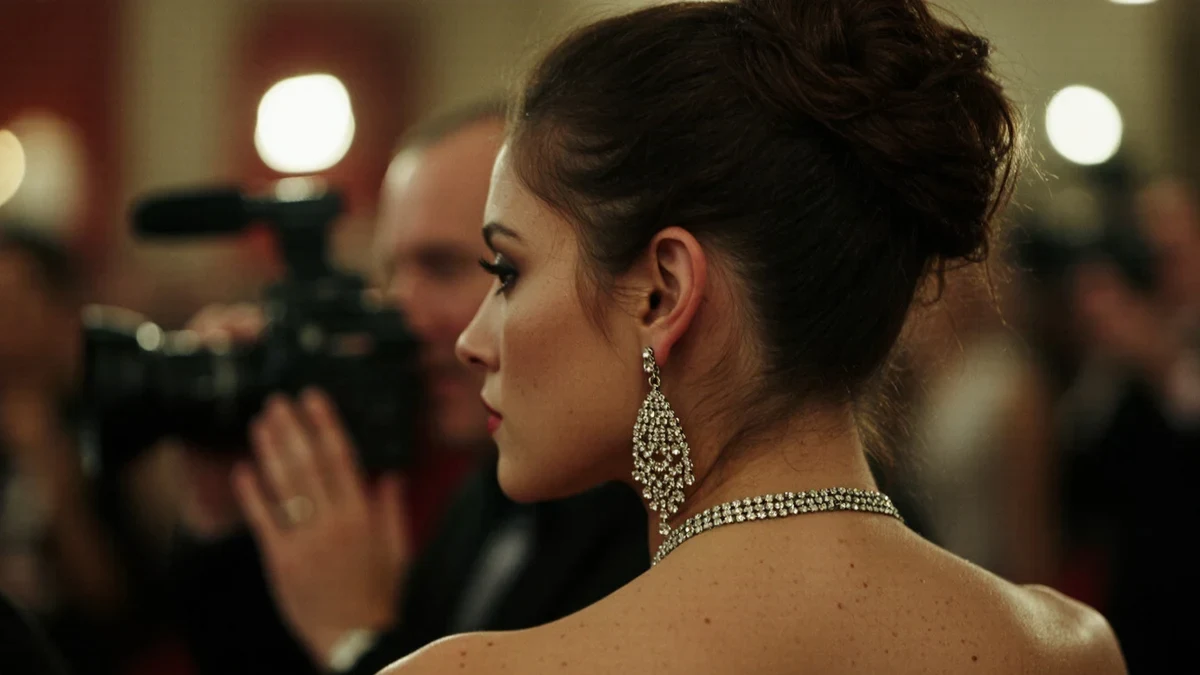
Category exclusivity is the brand's main purchase. The clause bars the ambassador from promoting competing products — often defined broadly enough that an actress fronting one watch house cannot be photographed on a carpet in a rival's timepiece. Carve-outs are negotiated line by line: existing deals grandfathered in, film wardrobe commitments exempted, personal-life products untouched.
Exclusivity is also why ambassador resignations make trade headlines. When the house and the star part ways — as Adidas and Beyoncé's Ivy Park did by mutual agreement announced in 2023, per the companies' statements — the release frees both sides to sell the same endorsement space to someone new. The clause cuts both ways.
What is a morality clause and who does it protect now?
Historically it protected the brand: misconduct by the talent triggered termination and sometimes clawback of fees. The modern version is more bilateral, giving talent walk-away rights over brand scandals too. Lawyers on both sides now draft for the case everyone watched play out in 2022, when Adidas terminated its Yeezy partnership with Ye immediately, ending production and all payments, per Reuters, 2022.
Practically, the clause defines the process as much as the trigger: notice periods, cure periods, and who decides whether a controversy is disqualifying. Ambiguity here is not an accident — it preserves leverage for whichever side gets to the phone first.
How many posts and appearances does a deal require?
The deliverables schedule is the contract's engine. A typical global ambassadorship specifies a number of campaign days, a set number of social posts per platform per year, mandatory attendance at defined brand events, and press availability on launch days. Each deliverable carries a make-up mechanism: missed content is rescheduled within a window, or fees are reduced on a stated formula.
Approval rights run alongside the quotas. Brands demand approval over scripts, images and captions; talent demands approval over how their likeness is edited and where the ads run. The negotiation is over speed as much as control — a social calendar moves faster than a legal department.
Who owns the images and for how long?
Usage rights are the quiet money in every ambassador deal. The brand licenses the talent's name, likeness and performance for defined media — print, digital, out-of-home, social — for a defined period. Perpetual, all-media rights cost dramatically more than a two-year digital license, and talent that signs broad language cheap is donating an archive.
The sub-clauses that matter: renewal rates for extended usage, separate fees if images run in paid amplification, and reversion terms that return the archive to the talent when the deal ends. Campaign photographs routinely outlive the relationships that produced them; the contract decides who profits when they do.
What are the disclosure duties?
Material connection disclosure, in plain view, on every piece of ambassador content. The FTC's Endorsement Guides, updated in 2023, require that a paid relationship be disclosed clearly and conspicuously where the audience actually looks — the caption, the spoken line, the on-screen tag — per the FTC, 2023. An ambassador post without disclosure is not edgy; it is a compliance failure with the brand's name on it.
The 2024 rule on fake and undisclosed endorsements raised the stakes from warning letters to penalties of up to $51,744 per violation, per the FTC, 2024. Ambassador contracts now put the disclosure obligation contractually on the talent — which means the talent carries both the regulatory risk and a breach-of-contract claim if the FTC calls.
How do renewals, options and kill fees work?
Multi-year deals are usually single-year contracts stacked with brand-held options. The brand elects to renew, at a pre-agreed fee escalator, or lets the term lapse. Talent-side lawyers push for mutual options or automatic escalators tied to the talent's rising quotes; brands push for flat options with wide termination discretion.
Kill fees protect the brand's calendar and the talent's availability. If a campaign is scrapped post-shoot, the talent keeps the fee; if the brand terminates without cause, a stated percentage is owed; if the morality clause is invoked, payment stops and the lawyers argue about the rest.
What kills ambassador deals most often?
Calendar collisions and category creep. A star signs a beauty deal, then a film role demands a wardrobe relationship with a fashion house whose parent company owns a competing cosmetics line — and the exclusivity language was written before anyone checked the org chart. Deal lawyers now map corporate ownership trees before signature for exactly this reason.
The second killer is deliverable drift: the brand asks for more posts than the schedule says, the talent's team says no, and the relationship sours in the gaps between the contract's specifics. The cure is unglamorous — a schedule precise enough to be boring, which is what a working contract looks like.