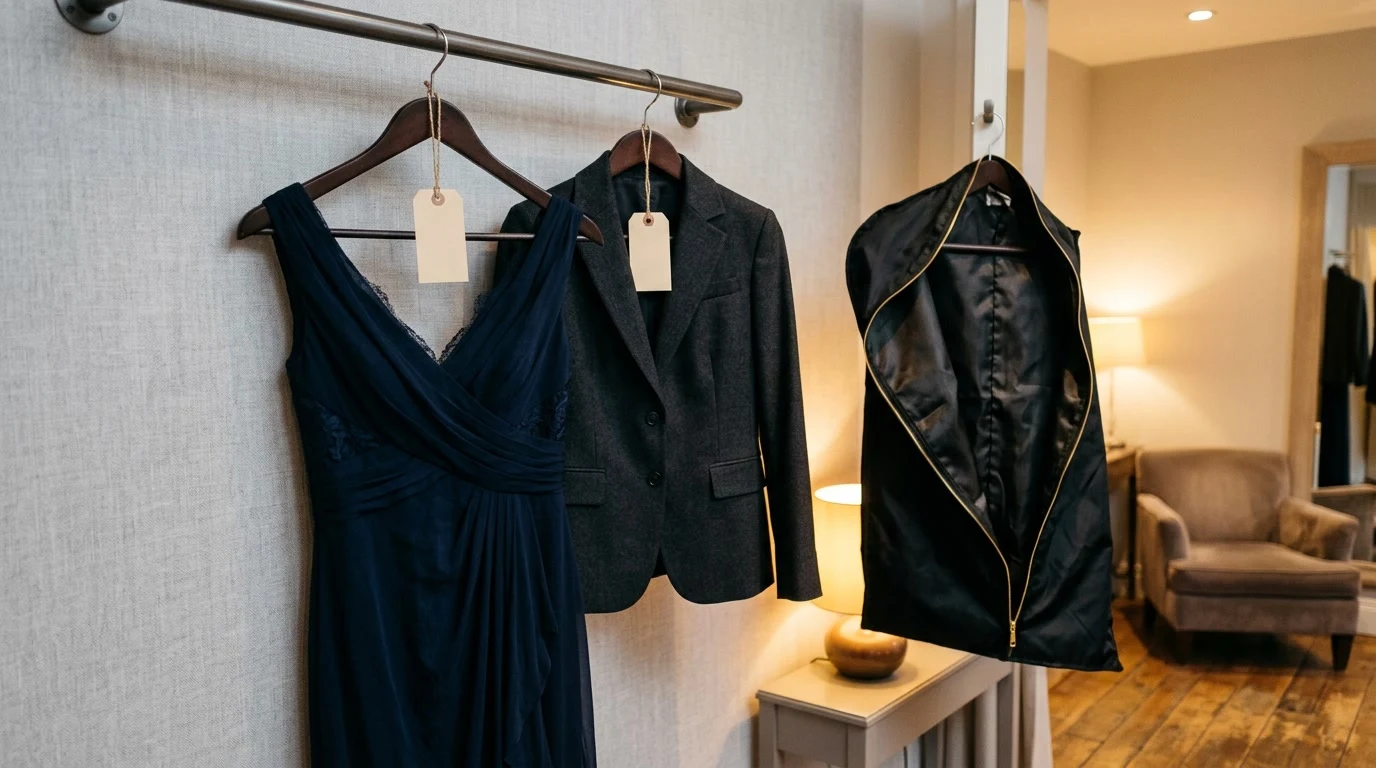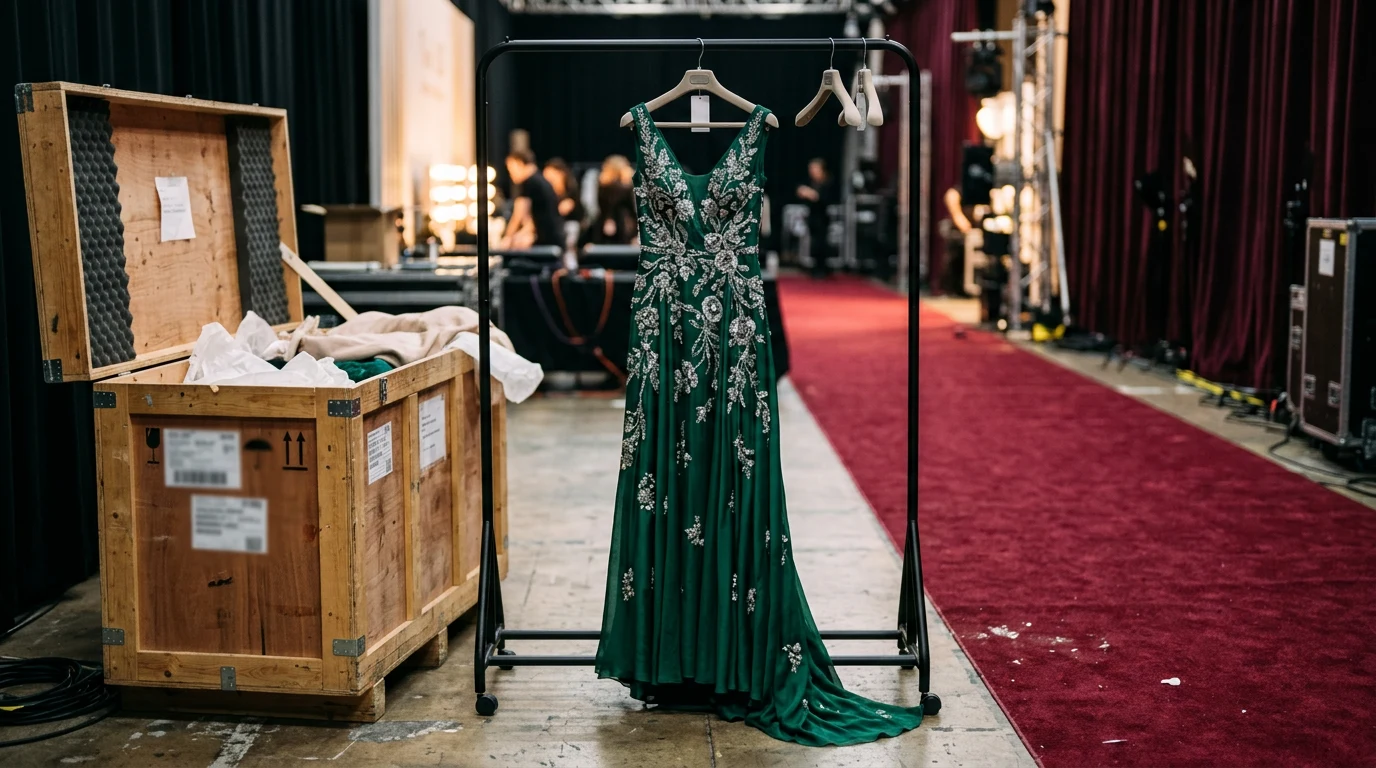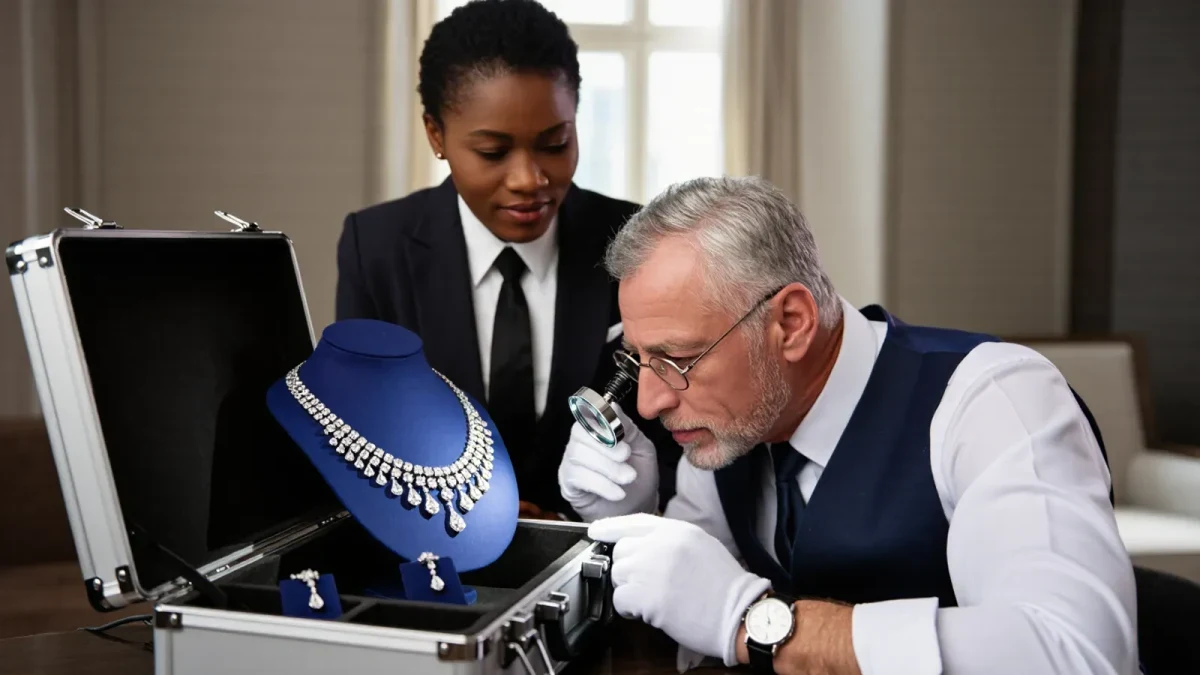
Designer exclusivity clauses are contract terms that stop a celebrity from wearing a competing fashion house for a defined period, usually tied to a campaign, an ambassadorship, or a single red carpet moment. The clause is the difference between a loaned gown and a business arrangement: the house buys a monopoly on a famous body, and the star, or her styling team, trades flexibility for access, fees, or both. The practice is standard across award season, per trade coverage of styling and ambassador deals, and it is one of the most negotiated lines in any wardrobe contract.
What does an exclusivity clause actually prohibit?
The core prohibition is simple: while the clause runs, the star does not publicly wear the competitor's clothing, and often not its jewelry, watches, or eyewear either. Most clauses are category-specific rather than total, so a face of a couture house may still be free to wear another brand's shoes, though high-visibility categories like jewelry and watches are frequently swept in. The trigger is public appearance, which agents define narrowly or broadly depending on leverage: red carpets and premieres always count, talk-show couches usually count, and paparazzi airport walks are a battleground where language gets precise. The clause binds conduct, not opinion, but in practice it also quietly ends the relationship with the rival house.
How long do these exclusivity windows last?
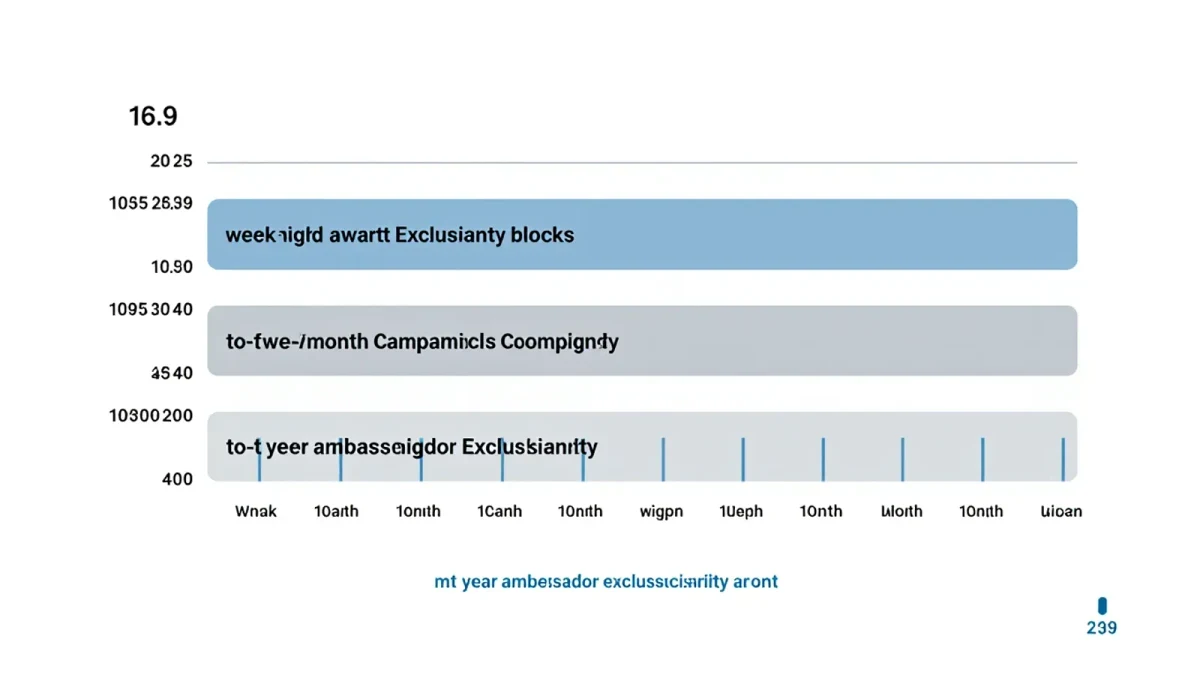
Windows scale with what the house is paying. A single-event exclusivity for one awards night might run a week on either side of the ceremony, covering rehearsals, the show, and afterparties. Campaign exclusivity typically runs the length of the campaign plus a tail, often six to twelve months. Full ambassadorship exclusivity, the kind announced with press releases and timed to a fashion week, commonly runs the multi-year term of the ambassador deal itself, per the structure of agreements described in trade reporting on house partnerships. The tail matters more than the headline length: a contract that expired last month can still block a rival's dress this month if the running-off period was negotiated long.
Who agrees to the clause, the star or the stylist?
The signer is the star or her company, but the clause is negotiated by the same lawyers and agents who handle her endorsement portfolio, with the stylist looped in because the stylist's own roster has to survive it. A stylist who dresses two actresses for the same ceremony cannot put both in houses that exclude each other's categories, so exclusivity language routinely includes carve-outs for the stylist's ability to work. Brands have learned to ask who else the stylist serves before they demand a broad clause, because a clause that poisons the stylist's other business gets quietly resisted. The star's team also polices category overlap, since an actress who fronts a beauty brand cannot take a fashion exclusivity that claims beauty appearances.
What does the house get in return for the restriction?
The house gets scarcity, which is the entire product. When a bankable star commits to one label for a season, every carpet photograph becomes unpaid campaign media for that label, and rivals are locked out of the most photographed shoulders in the world. Trade reporting on ambassador arrangements has valued such partnerships in the millions of dollars per year when they include campaign work, per Reuters' entertainment coverage, and the exclusivity is precisely what the fee buys. Houses also get protection on announcement timing: an exclusive star cannot undercut a collection launch by wearing a competitor the same week. The house's marketing team treats the clause as inventory, allocating the star's appearances across launches like advertising slots.
What happens when a star breaks exclusivity?
Consequences run from commercial to reputational, and the contract usually prices the breach. Clawbacks of fees are the standard remedy for a paid exclusivity, and the brand may decline to renew or loan again, which ends a relationship that took a stylist a year to build. For unpaid loans, the penalty is access: the house simply stops opening its archive, and word travels between the Paris ateliers faster than any legal letter. Public breaches are rare precisely because both sides lose, and when they happen, they are usually accidental, a rushed fitting or a last-minute substitution that puts a rival's piece on a covered body. That is why styling teams keep a calendar of exclusivity windows alongside the premiere calendar.
How do stars and stylists negotiate around the clause?
The negotiating currency is scope. A team with leverage narrows the definition of public appearance, shortens the tail, and carves out categories the star does not intend to monetize anyway, trading breadth for a higher fee or better archive access. Another common trade is the buyback: the star's side secures the right to wear rivals in unspecified categories for a defined number of appearances per year. Up-and-coming talent often accepts broad exclusivity cheaply because archive access itself is the prize, while established stars sell the same restriction at a premium. The result is that two actresses at the same ceremony can be operating under wildly different economics for visually identical gowns.
Why do rivals accept being locked out?
Rivals accept it because the lockout is rarely total, and because the market has enough famous bodies to go around. A house excluded from one A-lister simply redirects its archive to the next tier of rising names, and the competition for those names is where much of the quiet dealmaking happens each season. Exclusivity also creates a visible hierarchy that the industry reads fluently: the actress with the multi-year exclusive is the face of the house, and the actress in a one-night loan is a client. Both sides use that signal, which is one reason the clauses persist even as loans circulate more freely at the lower tiers of celebrity.
Are these clauses ever challenged as unfair?
They rarely reach lawyers because they are drafted as ordinary commercial restraints, similar in kind to the non-compete and exclusivity terms that govern talent contracts across entertainment. Enforcement is mostly private, consisting of withheld fees, closed archives, and cooled relationships rather than court filings. Where they do surface publicly is in contract disputes that end up in trade press, where the wardrobe terms of a departing ambassador occasionally become part of the story. For practical purposes, the clause is treated as a professional obligation like any other, and stars who chafe at them simply decline to renew and re-enter the open market.
What should readers watch for on the next red carpet?
Watch for repetition, because repetition is the visible signature of exclusivity. A star wearing the same house across a press tour, a fashion week front row, and an award show is almost certainly under contract, and the consistency is the point. A sudden switch mid-season usually means a window closed or a fee landed, and the timing of the switch often tracks a collection launch. The carpet is a marketplace, and the exclusivity clause is the receipt.
FAQ
Does exclusivity apply to jewelry and accessories too?
Frequently, yes. High-visibility categories like fine jewelry and watches are often bundled into the restriction, or carved out and sold separately to a second brand. Category definitions are among the most negotiated lines in the contract.
Can a star wear a rival's clothes privately?
Generally yes, because the clause targets public appearances. The drafting challenge is defining public, and paparazzi moments sit in the gray zone that lawyers address with specific language about photographed appearances.
Is exclusivity always paid?
No. Unpaid exclusivity rides on archive access and the relationship with the house, which is real compensation for a rising star. Paid exclusivity accompanies campaign and ambassador contracts, where the fee buys the restriction outright.
How long does a typical red carpet exclusivity last?
A single-event window often covers about a week around the ceremony. Campaign exclusivity usually runs six to twelve months, and ambassador-level exclusivity spans the full multi-year term of the partnership.
Who enforces the clause if it is broken?
Enforcement is mostly commercial: clawed-back fees, closed archives, and a cooled relationship. Litigation is rare because both sides lose more in publicity than they recover in court.