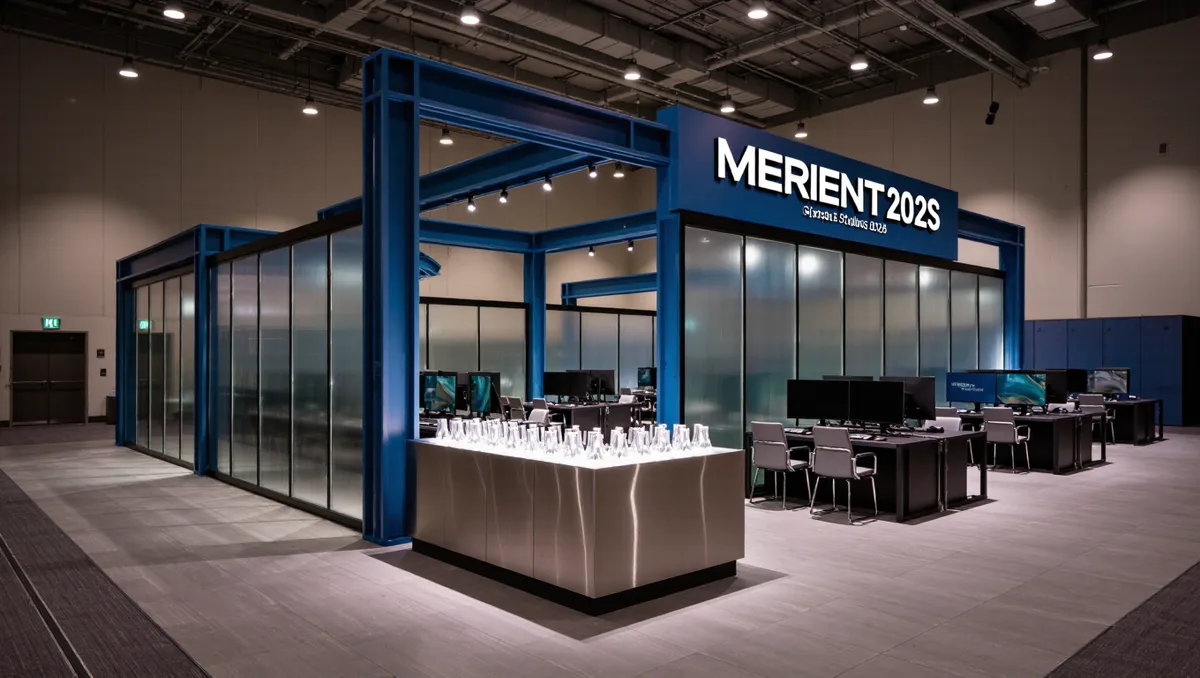
Meridian's Expanse Studios Books Booth 4233 At G2E 2026 — What It Signals
The company says its B2B studio will show nearly 100 titles in Las Vegas, but a trade-show announcement is a company's own claim, not independent proof of momentum.
Ambassador contracts, loaned archive, styling budgets and the commercial arrangements behind what a famous person wears to a public appearance.
The company says its B2B studio will show nearly 100 titles in Las Vegas, but a trade-show announcement is a company's own claim, not independent proof of momentum.
Who gets named, who gets paid, and why the credit line at the bottom of a magazine spread is a business document.
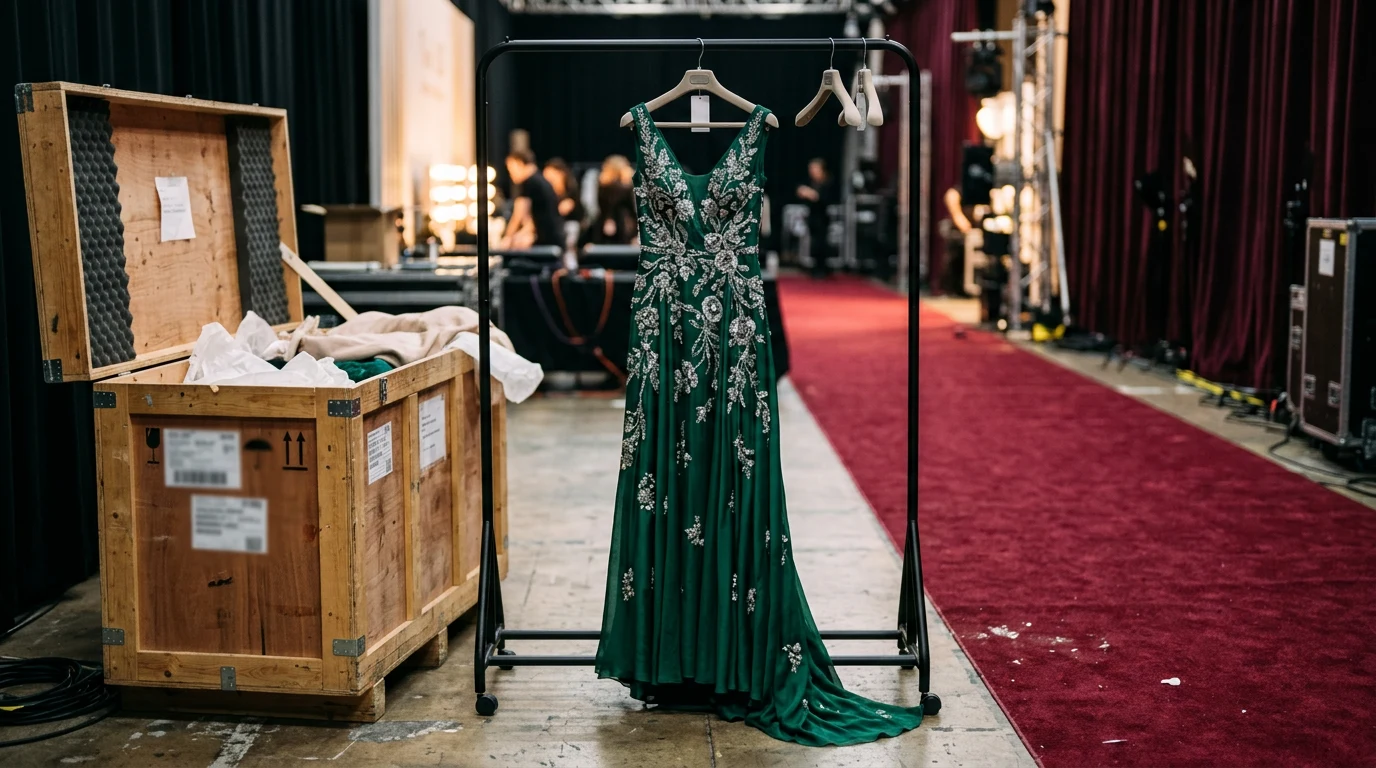
Brands, not stars, usually cover a red carpet look, but the loans, fees, and liability behind it run mostly on informal agreements, according to legal and trade reporting on the practice.
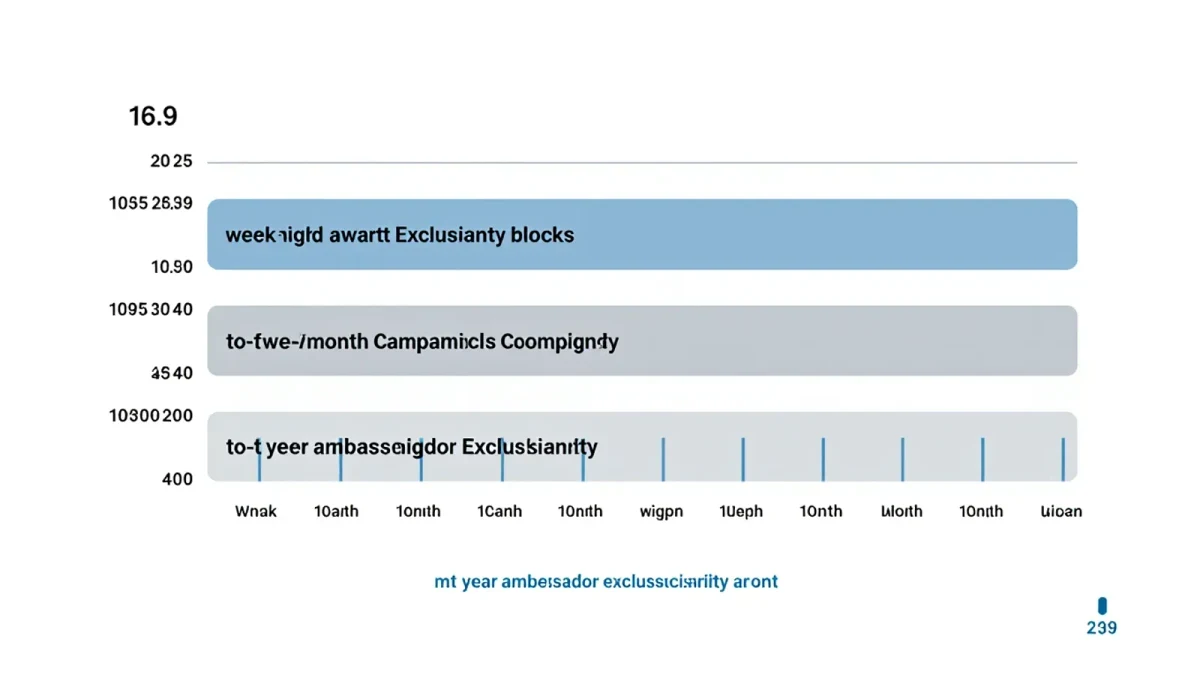
Exclusivity clauses are the fine print that keeps a famous face out of a rival's dress for months at a time, and they carry real money on both sides.
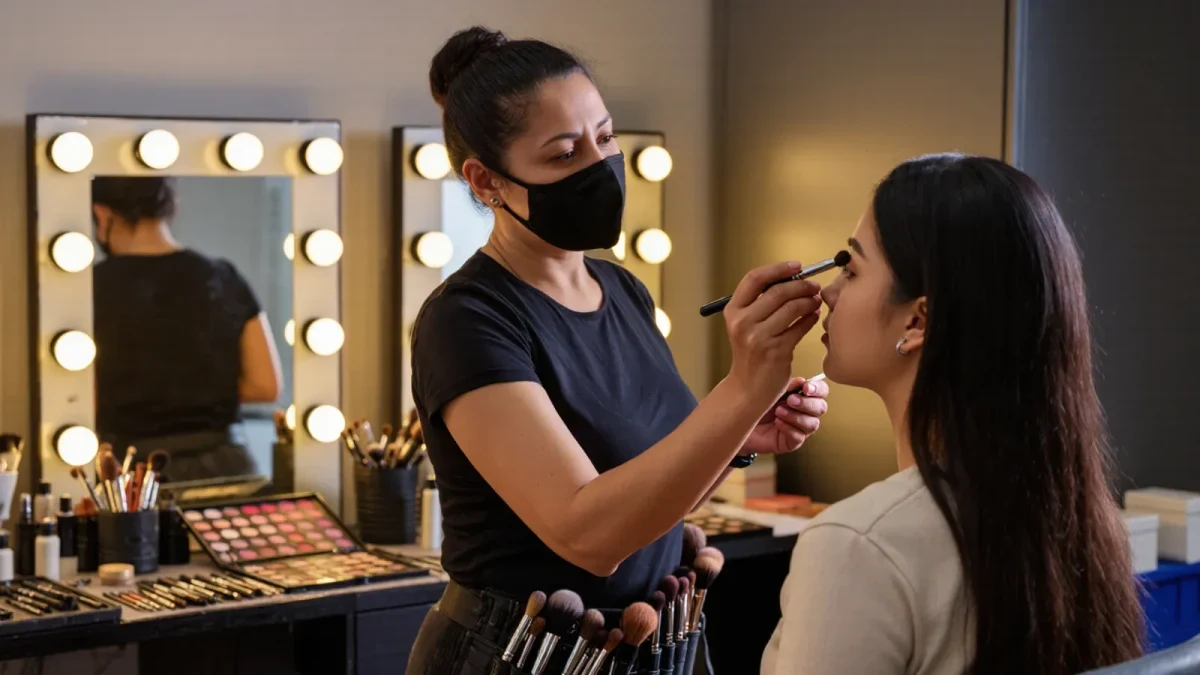
Beauty sponsorships run on two tracks — product supplied free to productions and stars, and paid partnerships attached to premieres and festivals — and only one of those tracks involves a check.
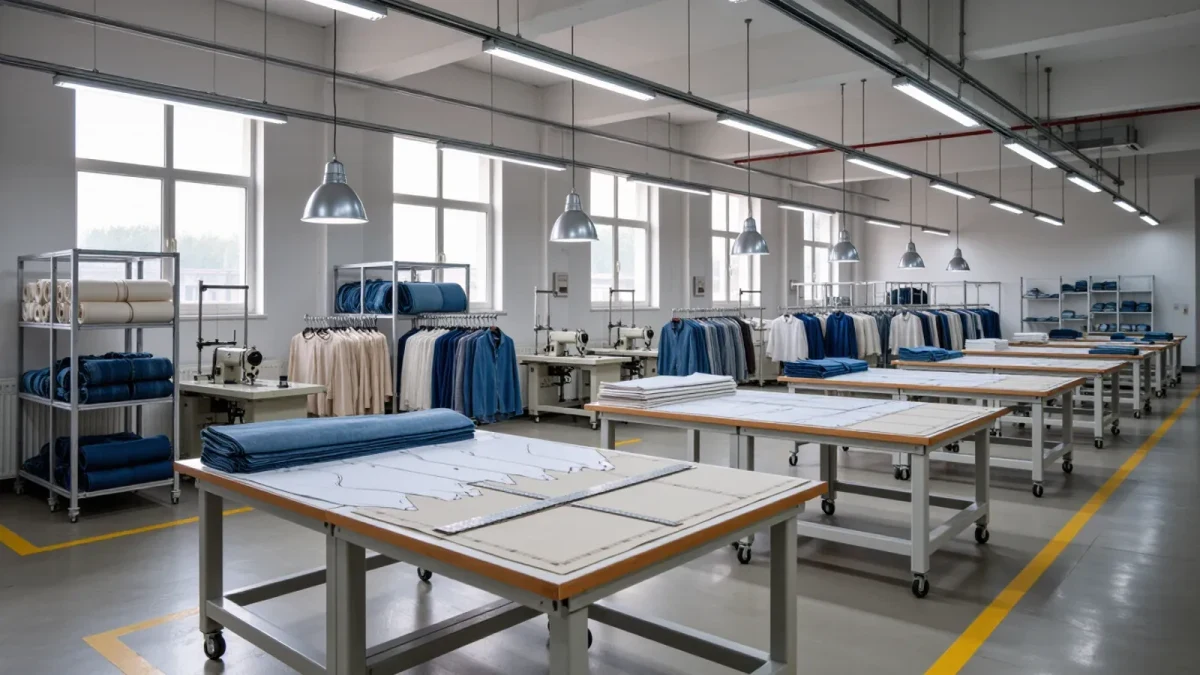
Celebrity fashion lines get licensed because the name rents an infrastructure that already works — the manufacturer makes, the star earns royalties, and neither side builds a factory.