Brands pay for red carpet placement because the audience math beats advertising. The 2025 Academy Awards telecast drew 17.8 million viewers, down from 19.5 million the year before, per Nielsen figures reported in press coverage of ABC's ratings, 2025 — and every one of those viewers also sees the gowns, the jewels and the watches in unskippable, editorially credible context. A placement on that carpet costs a house a table, a loan and some fees; the equivalent bought media runs to millions.
The payment is rarely a check handed over for wearing something. It arrives as tables, loans, ambassadorships and stylist relationships — structures that buy the same outcome while keeping the photograph looking organic. This article publishes information about how the placement market works, not marketing advice.
What are brands actually buying on a carpet?
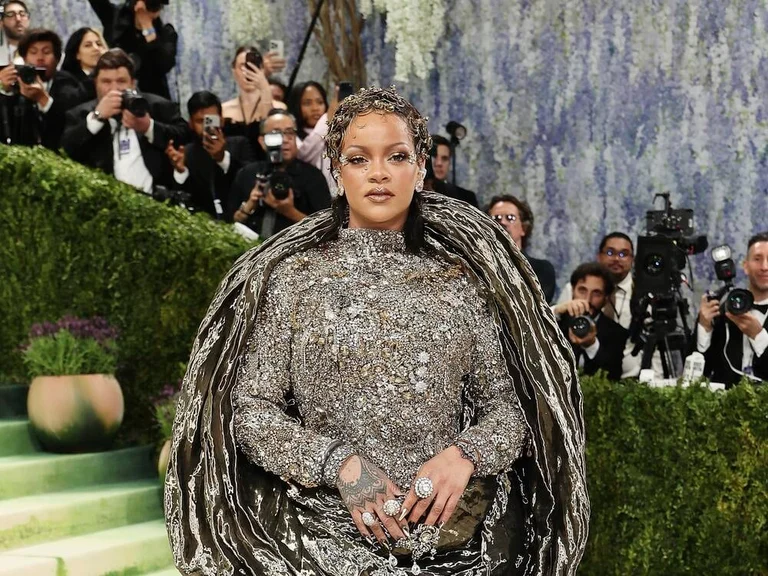
Credibility per impression. A carpet photograph is editorial content, not an ad break: audiences attend to it, press re-runs it for days, and retrospectives recycle it for years. Trade outlets covering carpet economics have quoted brand-side estimates valuing a single high-profile look's press and social pickup in the millions of dollars of media-equivalent exposure, 2024. The house spends a fraction of that to be in the frame.
The second purchase is category ownership. Being the house that dressed the Best Actress winner — or the jeweler whose necklace ran in every recap — associates the brand with the night's winner in the public memory. That association outlives the campaign that bought it, which is why placement teams track awards calendars like sportsbooks track odds.
How do brands pay, if not in cash?
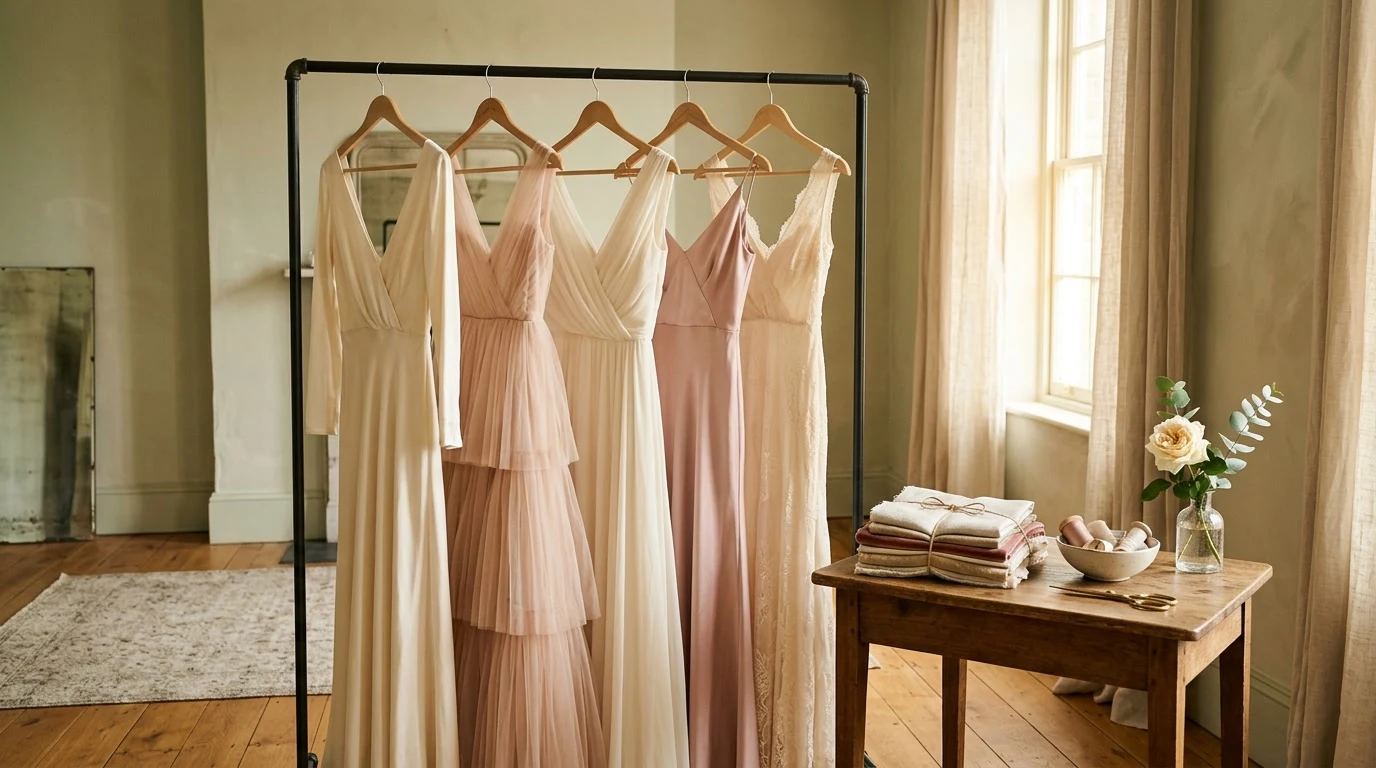
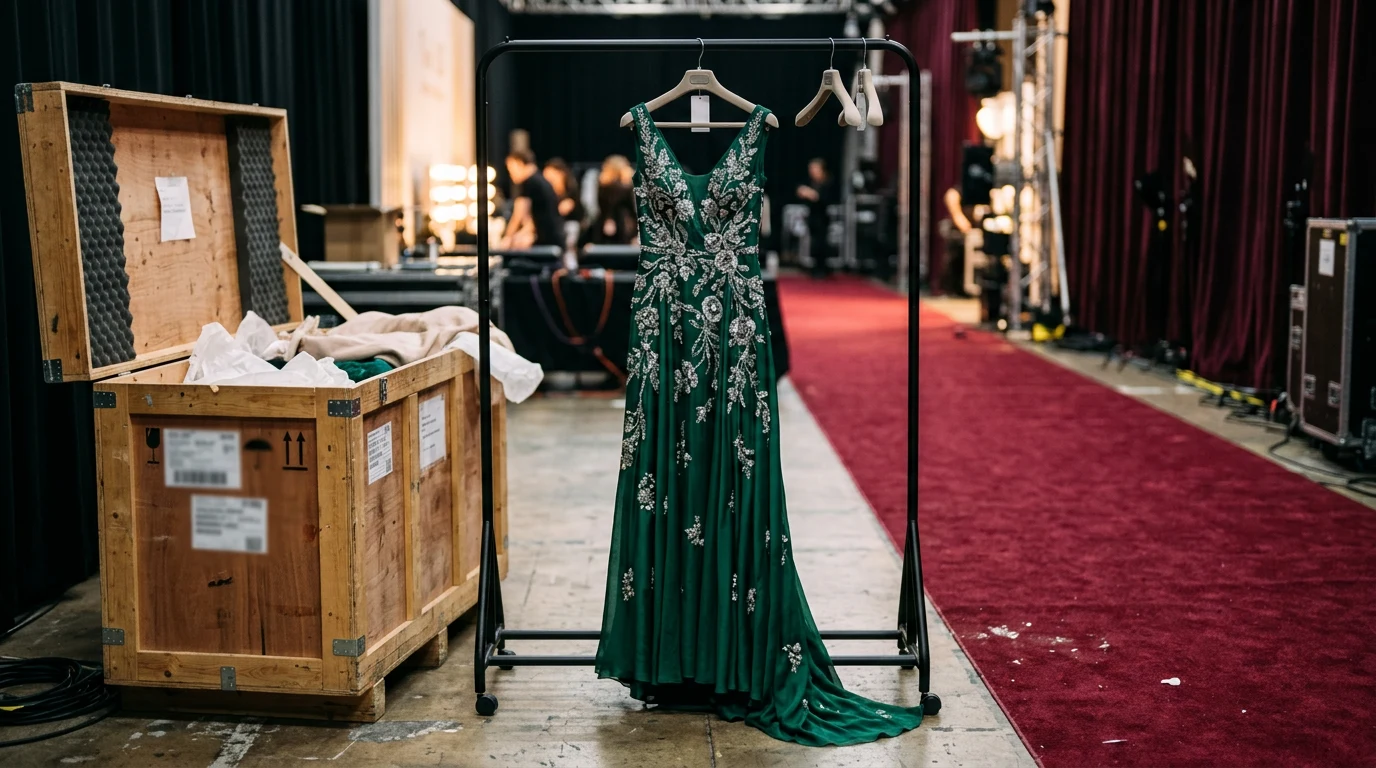
Four currencies. Tables: at the Met Gala's 2025 edition a table cost $350,000, per press coverage of the museum's pricing, 2025, buying seating the brand fills with dressed guests. Loans: houses supply gowns and high jewelry at no wear fee, absorbing six-figure construction costs, per couture production reporting, 2019. Ambassadorships: annual contracts that bundle carpet appearances with campaigns. Stylist relationships: long-term professional ties that steer which house gets first call.
Cash appears only at the edges — appearance fees for hosting, gifting-suite sponsorships, paid posts around an event. The core trade is inventory for exposure, settled in kind on both sides.
Why does the carpet outperform bought media?
Three structural reasons. Attention: awards telecasts are one of the last mass simultaneous audiences, with the 2025 Oscars at 17.8 million live viewers, per Nielsen figures reported in press coverage, 2025. Trust: a dress chosen by a stylist reads as taste, not placement, so the endorsement effect lands without ad resistance. Longevity: the photographs enter archives that resurface in retrospectives, obituaries and listicles indefinitely.
No bought format offers that combination. A 30-second spot in the same telecast costs seven figures and dies at the final credits; the necklace in the Best Picture photo lives on the internet's recirculation loop forever.
What does a placement strategy look like across a season?
Portfolio building. A house maps the calendar — festivals, premieres, Globes, SAG, Oscars — and allocates inventory by exposure per event, holding archive pieces for the nights with the largest press corps. Stylists are briefed months ahead; first-look options on key gowns are reserved for A-list pairings the brand wants to own.
The discipline is measurement. Brand teams score each placement on pickup volume, image quality and share against rivals, feeding next season's allocation. The trade press's annual best-dressed industrial complex is, functionally, the market's public scoreboard.
Is paying for placement legal?
Paying to place product in editorial fashion photography sits in a gray zone that disclosure rules are still catching. Where money changes hands for a promotion — paid posts, hosted appearances, ambassador content — the FTC's Endorsement Guides require the material connection to be disclosed clearly and conspicuously, per the FTC, 2023, with civil penalties up to $51,744 per violation under its 2024 rule.
The in-kind loan is the workaround that keeps the question quiet: an unworn fee for a returned gown is arguably not payment at all, which is precisely why houses prefer loans to checks. Regulators have focused on social endorsement; the carpet's older economy still runs on trays of returned jewelry.
Who wins and who loses in this market?
Houses with deep archives and celebrity-services teams win by default — they can out-loan competitors on every carpet simultaneously. Rising designers win occasionally when a stylist bets a client on an unknown name and the photograph detonates; that single night can finance a label, per trade profiles of breakout carpet moments, 2023.
The losers are the brands without a seat at the stylist's phone and the publications whose ad pricing now competes with free editorial exposure. It is an advertising market running inside another industry's news cycle, and the entry ticket is inventory, not budget.
What could break the model?
Audience fragmentation and disclosure pressure. Telecast ratings drift downward — the Oscars' 17.8 million in 2025 followed 19.5 million in 2024, per Nielsen figures reported in press coverage, 2025 — pushing brands toward smaller, social-native placements. And if regulators ever define carpet loans as material connections requiring disclosure, the credibility premium that makes the photograph valuable gets a visible price tag on it.
Until then, the trade continues exactly as structured: the brand supplies the dress, the star supplies the photograph, and the audience supplies the attention everyone is actually billing for.
How has the market changed since the streaming boom?
The customer base for carpet placement has widened, because premieres now happen in more places at more times of year. A global streamer rolling a film out country by country gives a brand a month of photocalls instead of one weekend, which stretches a single loan into a campaign and pushes teams to negotiate appearance-by-appearance terms rather than night-by-night ones.
At the same time, social accounts have added a second carpet. A stylist's backstage post can outperform the wire photograph it precedes, so brands now ask for social usage rights inside the loan, and stars' teams price those rights separately. The result is a tiered market: the photograph is the entry fee, the post is the upsell, and the season-long relationship is the product only the biggest houses can afford to buy.
None of this appears on the broadcast. The audience sees a dress; the industry sees a media plan with a heartbeat, which is exactly how the brands accounting for it prefer the arrangement to stay.
The underlying asset barely changes, though. A carpet is still the rare environment where a luxury product appears on a face the audience chose to follow, wearing something the audience will discuss unprompted. Advertising cannot buy that framing, which is why the industry keeps paying for it in loans instead of cash, season after season, invoice be damned.