A celebrity endorsement contract grants a brand the right to use a star's name, image, and performance in marketing for a fixed term, and almost every dollar of the fee is conditioned on behavior. The three provisions that decide real value are the morals clause, exclusivity, and termination-for-cause terms. The U.S. Federal Trade Commission requires that material connections between endorsers and brands be disclosed clearly, per the FTC's Endorsement Guides, 2023 revision — the disclosure framework every compliant deal is built inside.
This site publishes contract information, not legal advice. Clause descriptions below reflect common market practice as described in public filings and trade coverage.
What Does a Standard Endorsement Deal Include?
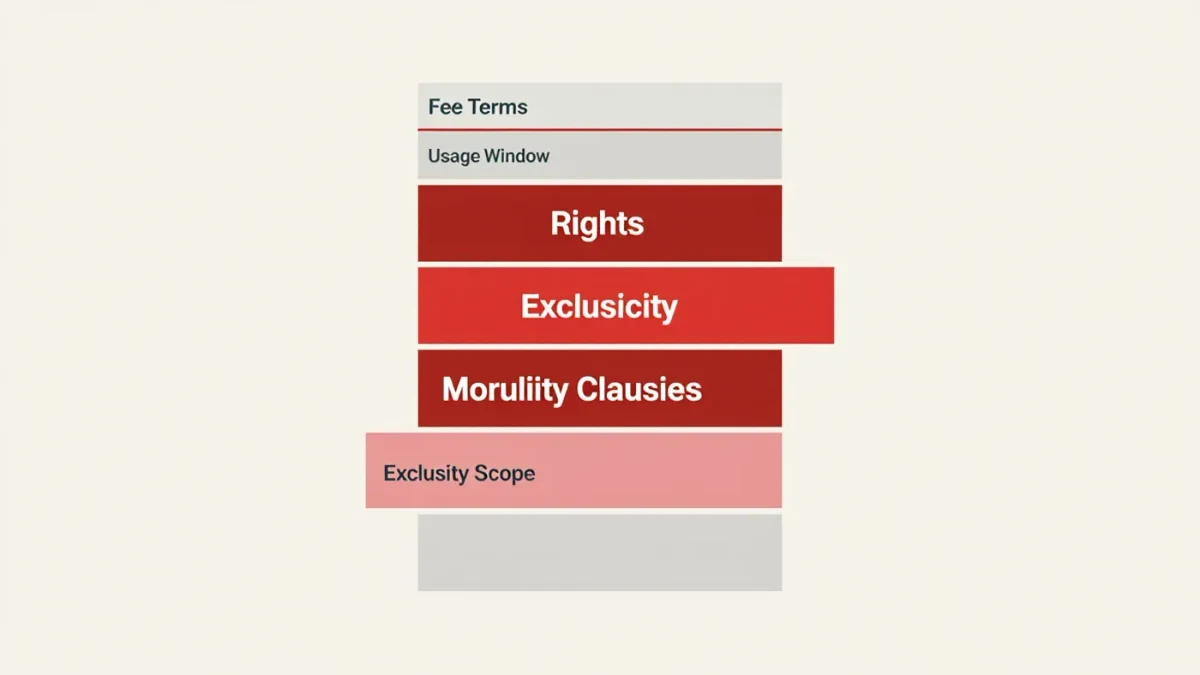
The skeleton is consistent across the market: term length, territory, media types, services owed, compensation, exclusivity scope, usage rights, renewal options, and termination triggers. Fees at the top of the market run to eight figures annually — global ambassadors for beauty, sportswear, and luxury houses are the premium tier — while regional or single-campaign deals sit far lower. What varies wildly is not the fee but everything surrounding it.
Services definitions are where campaigns are won or lost in negotiation: how many shoot days, social posts, appearances, and approved usages the fee buys, and what each additional unit costs. A fee quoted without a services schedule is a number without meaning.
What Is a Morals Clause and How Does It Work?
A morals clause permits the brand to suspend or terminate — and sometimes claw back fees — if the endorser's conduct damages the brand's reputation. Triggers typically cover criminal charges, scandal, public statements causing reputational harm, and sometimes conduct violating the brand's stated values. The clause is now standard in both directions: celebrities increasingly demand reciprocal morals clauses letting them exit if the brand itself erupts.
The clause's real function is economic. Adidas invoked termination provisions after ending its partnership with Ye in October 2022, with the company stating the breakup would cost it roughly 250 million euros in 2022 revenue, per Reuters, 2022 — an illustration that the clause's value to a brand is measured in the liabilities it can cut off, not just the fees it recovers.
How Does Exclusivity Work?
Exclusivity bars the star from endorsing competing products within a defined category for the term. A sneaker deal blocks other footwear brands; a haircare deal blocks rival shampoos but not, unless negotiated, watches or fragrance. The breadth is priced: category-wide, global, all-media exclusivity costs the brand multiples of a single-campaign, single-territory restriction. Stars trade exclusivity for money knowingly — a locked category is inventory that can never be resold.
Carve-outs are the negotiation. Pre-existing deals, the star's own product lines, and charitable associations are commonly excluded in schedules appended to the agreement. Ambiguity here is litigation: category definitions get litigated more than fees do.
How Long Do Endorsement Deals Run and How Do They End?
Terms of one to three years with renewal options are the market norm, per trade coverage of brand-partnership terms in The Hollywood Reporter, 2021. Deals end by expiration, mutual non-renewal, exercise of an option, or termination for cause under the morals or breach provisions. Termination for convenience — the brand walking away without cause — is rare without a negotiated right, and expensive when it exists.
Exit terms govern the aftermath: whether the brand must stop using materials within 30, 60, or 90 days, whether fees are refunded pro rata, and whether the star keeps earned bonuses. Post-term usage rights, which let a brand run existing campaigns for a tail period, are a frequent and lucrative seller concession.
Who Approves the Creative and the Public Statements?
The contract does, clause by clause. Approval rights over how the star's image is used, retouching limits, script approval for campaign spots, and social-media approval windows are all enumerated — or silently defaulted to the brand if the star's counsel misses them. Interview provisions increasingly restrict what endorers may say about the brand's competitors or sensitive topics while the deal runs.
The regulatory layer sits on top. Because the FTC treats celebrity endorsers as accountable for deceptive claims — endorsers must have actually used the product and statements must be truthful, per the FTC's Endorsement Guides, 2023 revision — contracts now assign liability for false statements between brand and talent.
How Are Fees Structured Beyond the Flat Number?
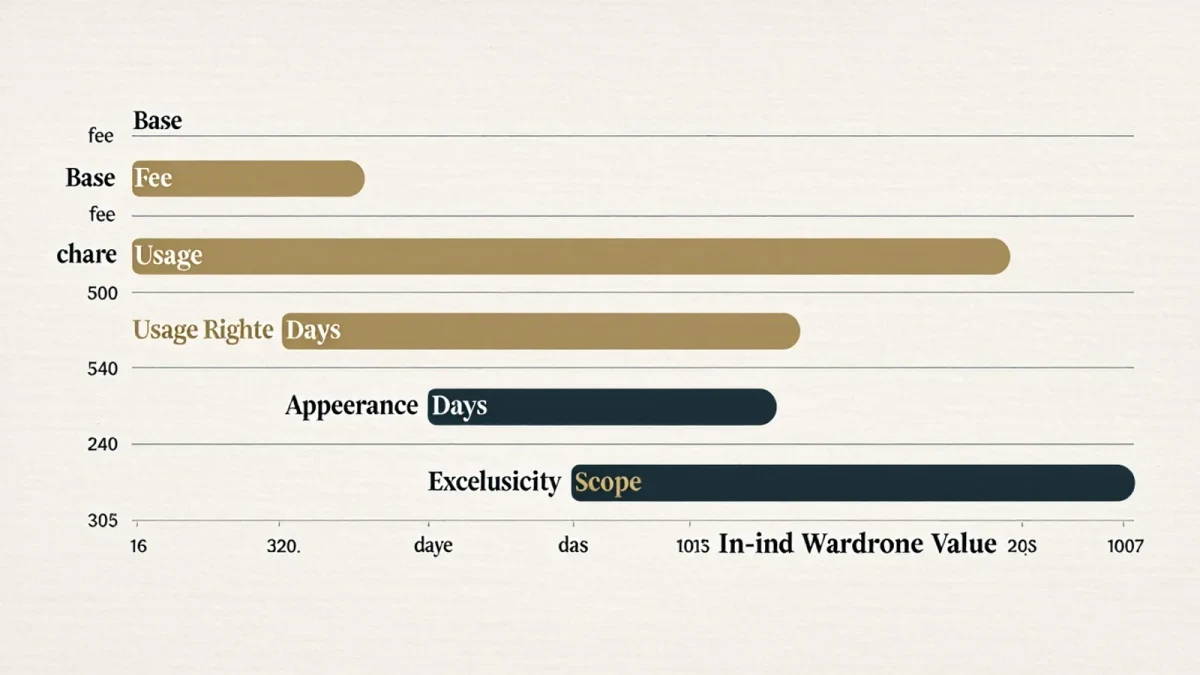
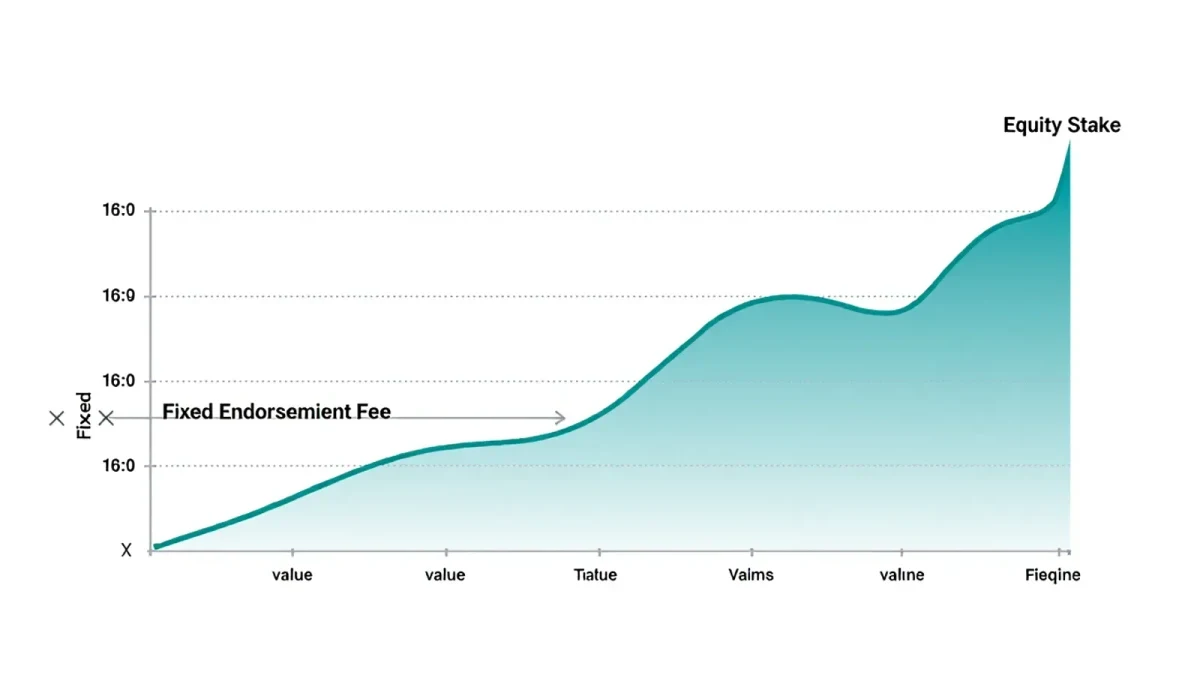
Four building blocks: base fee, usage extensions, bonuses tied to sales or campaign milestones, and in-kind components like product or travel. Payments are typically staged — a chunk at signing, chunks at delivery of services, a final payment on air date — so the brand retains leverage through the campaign's life. Renewal escalators lock in percentage bumps if the brand exercises its option.
The modern twist is hybrid structures: reduced fee plus royalties, or fee plus equity, which converts the endorser into a stakeholder. The equity version of the trade has produced the largest celebrity payouts of the past decade, which is why the flat-fee endorsement is increasingly the floor, not the deal.
What Happens When a Brand Drops a Celebrity Mid-Contract?
The termination provisions execute. If cause exists under the morals clause, the brand typically stops paying, pulls materials on the notice timeline, and may pursue fee clawbacks; the star's camp negotiates what is owed for services already rendered. If no cause exists, the brand pays out some negotiated portion of the remaining term — the price of an exit without a trigger. Either path, the relationship is dead and the inventory in that category frees up.
Frequently Asked Questions
Can a brand really terminate over any scandal?
Only over conduct the clause covers, and the definition is contested terrain. Criminal charges and reputational harm are standard triggers; mere unpopularity is not. Ambiguous clauses get negotiated or litigated, which is why both sides now draft morals provisions with unusual care.
Do celebrities have morals clauses against brands?
Increasingly, yes. Reciprocal clauses let talent exit — and sometimes keep fees — if the brand faces scandal, safety claims, or conduct misaligned with the star's values. The market learned this after several brand controversies left famous endorsers publicly entangled.
How exclusive is an exclusivity clause?
As exclusive as its category definition. Footwear blocks footwear; it does not block watches, fragrance, or fintech unless drafted that way. Category breadth, territory, media scope, and carve-out schedules determine the true price of the restriction.
What did the Adidas–Ye split show about these contracts?
The scale of termination economics. Adidas said ending the partnership in October 2022 would cost roughly 250 million euros in annual revenue, per Reuters, 2022 — the clause did not prevent the loss, but it severed ongoing obligations instantly.
Are social media posts part of the contracted services?
Now universally yes. Contracts specify post counts, platforms, content windows, approval procedures, and required disclosures. A single contracted post can carry meaningful value, and undisclosed paid posts violate FTC guidance, per the Endorsement Guides, 2023 revision.