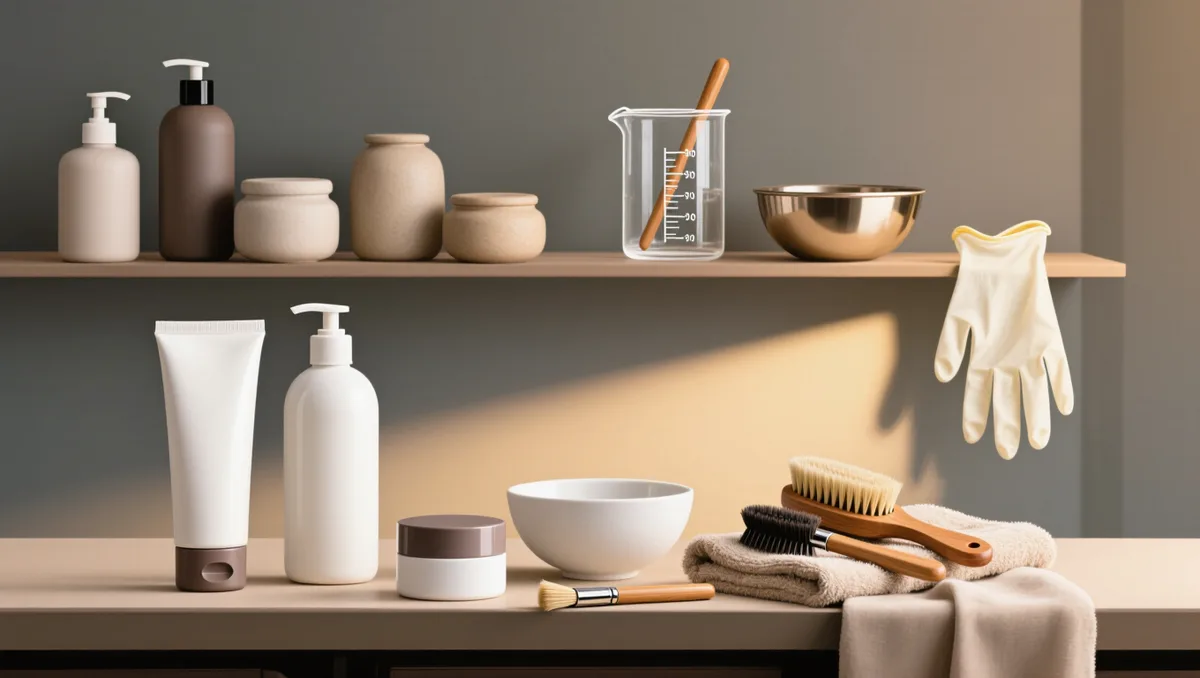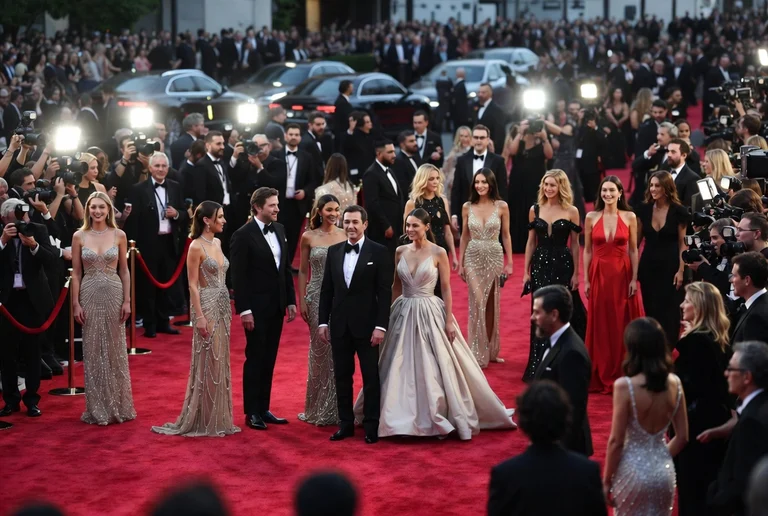
Beauty sponsorships work on two tracks. On set, brands supply product free to makeup departments and talent, trading goods for the chance their mascara survives a close-up; on the carpet and the press tour, money moves through ambassadorships and festival partnerships — L'Oréal Paris has been the official beauty partner of the Cannes Film Festival since 1997, per the brand's announcements. The free track is marketing inventory; the paid track is a contract with a rate card.
The through-line is credibility: a product that appears to be chosen by professionals sells better than one that admits it paid for the seat. This article publishes information about how these deals are structured, not marketing advice.
What does a beauty brand get from an on-set deal?
Usage, implied endorsement and photography. In a supplied-product arrangement, the brand ships product to a production's makeup department at no charge; if the department uses it on camera, the brand can pursue stills and credits for its own promotion — usually under a separate clearance. The grandfather of the format is outside beauty entirely: Hershey's Reese's Pieces in E.T. drove a sales jump the company itself has cited at around 65 percent after the 1982 placement, per Hershey's retelling of the deal reported in press.
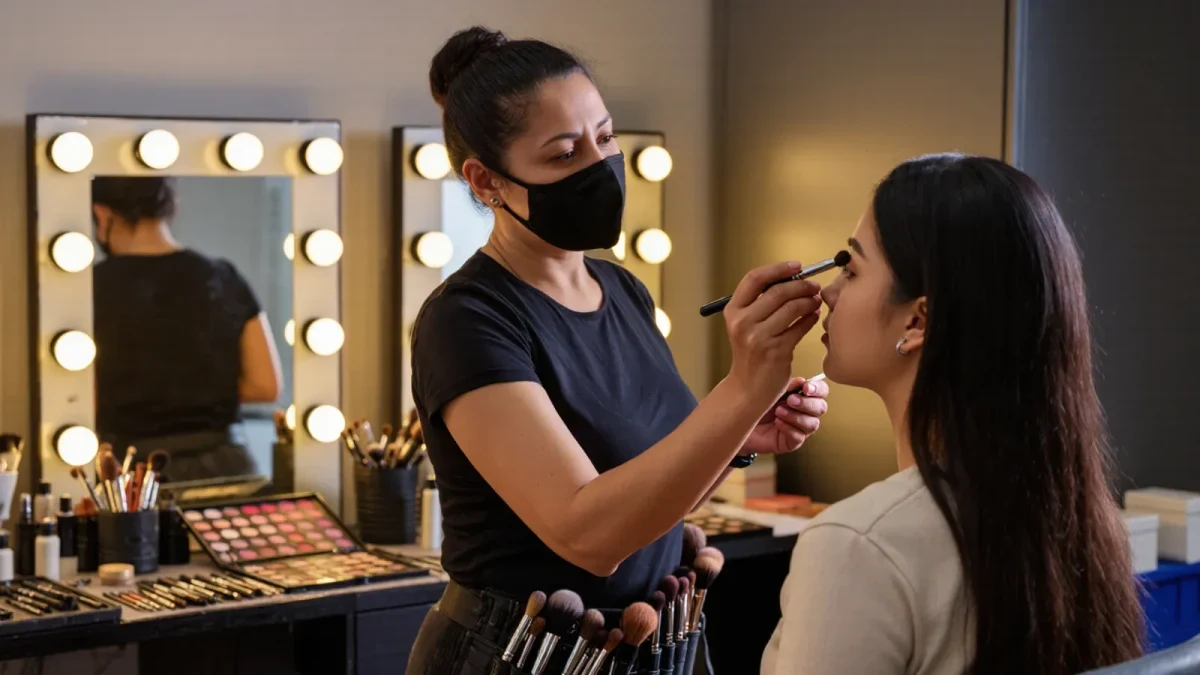
Beauty's version is quieter because the product is often invisible in frame. What the brand is really buying is the department's adoption — the sentence 'that's what they actually used' — which converts into retail authority no ad campaign can buy directly.
How do makeup departments decide what to use?
Performance first, relationships second, sponsorship third. Department heads select for the camera's demands — durability under heat, color ranges across cast skin tones, speed on quick changes — and long-standing supplier relationships shape the default kit. A sponsored brand that does not perform gets quietly dropped, because a makeup artist's credit is their own brand.
Where sponsorship does bind choice, it does so contractually: a production agreement that names an official supplier, or a talent deal that requires the star's personal kit on press appearances. Those clauses are negotiated by producers and agents, not makeup artists — the department inherits them.
What does a paid carpet or festival sponsorship include?
For a festival partnership, exclusivity and touchpoints: naming as official partner, on-site activation spaces, ambassador attendance, branded content rights and first call on talent makeup for premieres. L'Oréal Paris's Cannes relationship — official makeup partner since 1997, per the brand's announcements — is the category's reference model, pairing a mass brand with the most photographed carpet in Europe.
For individual events, the unit of purchase is the ambassador moment: a star's groomed appearance at a premiere attributed to a specific brand, wrapped in social content the brand controls. Pricing follows the talent's reach, not the event's — a mid-tier name at a massive festival can out-earn an A-lister at a small premiere.
How do ambassador deals in beauty actually pay?
Annual fee, campaign fees and usage bonuses. A global beauty ambassadorship typically combines a base retainer with separate day rates for campaign shoots and event appearances, plus escalating fees if imagery runs in paid media beyond an agreed threshold, per trade reporting on endorsement terms, 2023. Revenue-share structures on co-developed product lines sit on top for the biggest names.
What the brand buys is frequency: beauty purchases repeat monthly, so a trusted face appearing across a year of launches is worth more than a single blockbuster campaign. That is why beauty houses stack multi-year ambassador rosters rather than bidding per event.
Who handles glam when a tour is sponsored?
The sponsor's preferred artists, usually. Sponsored tours route grooming through artists aligned to the brand — often the same names the brand works with on campaigns — and the brand covers fees that would otherwise bill to the client or studio, per trade reporting on campaign glam budgets, 2019. The artist gains steady brand work; the brand gains consistent looks across every city.
Unsponsored tours pay their own way, which is why grooming bills alongside styling as its own line on premiere budgets. Sponsorship converts that cost center into a partnership — and hands the brand veto-adjacent influence over how its ambassador's face is assembled in public.
What are the disclosure rules?
Material connection, clearly disclosed, where the audience looks. Paid posts and sponsored appearances fall squarely under the FTC's Endorsement Guides, updated in 2023, with penalties up to $51,744 per violation under the 2024 rule on fake and undisclosed endorsements, per the FTC, 2024. Free product to creators is also a material connection requiring disclosure.
The set-supply track stays mostly outside this framework — a makeup department's choice is not an endorsement in the regulatory sense, and no one signs anything that says otherwise. That ambiguity is the format's commercial advantage, and the reason brands keep the free track running even after they sign the paid one.
Who wins in beauty sponsorship economics?
Brands with ambassador rosters and festival real estate win the awareness game; makeup artists with brand alignments win steady income between productions; and the festivals win partners who underwrite activation infrastructure. Stars win least per hour — an appearance fee for a day of grooming and photographs — unless they convert sponsorship into a product line of their own, the path the biggest names now take.
The format's future is the same as fashion's: money moving from obvious ads into environments where the audience trusts the choice. The trick, as ever, is that the choice was part of the deal.
How do tour glam teams get built around a sponsor?
A sponsored tour changes the org chart before it changes the makeup. The headline artist stays, but the brand's budget typically funds additional artists, travel, and product logistics, because a forty-show run with wardrobe changes cannot ride on one kit. The sponsor gets its products in the room and its name in the credits of every backstage clip the tour publishes.
The mechanics are negotiated early, per trade coverage of touring deals, because product needs to ship months ahead of rehearsals. Brands supply full shade ranges rather than hero items, since a single dancer with an unmatched foundation tone becomes a walking disclosure of what the deal skipped. The artist's team keeps approval over what touches the face, and the contract usually says so in writing.
For the brand, the arithmetic is attention at scale: one tour delivers dozens of city appearances, each generating local press the brand never had to buy. For the artist, the deal converts a cost center into a partner, which is the quiet reason tour glam has become sponsorship's favorite format.