
Why Brands Pay For Red Carpet Placement — The Media Math
Brands pay for red carpet placement because a single photographed look reaches more engaged viewers than a season of bought advertising — at a fraction of the cost per impression.
Ambassador contracts, loaned archive, styling budgets and the commercial arrangements behind what a famous person wears to a public appearance.
Brands pay for red carpet placement because a single photographed look reaches more engaged viewers than a season of bought advertising — at a fraction of the cost per impression.
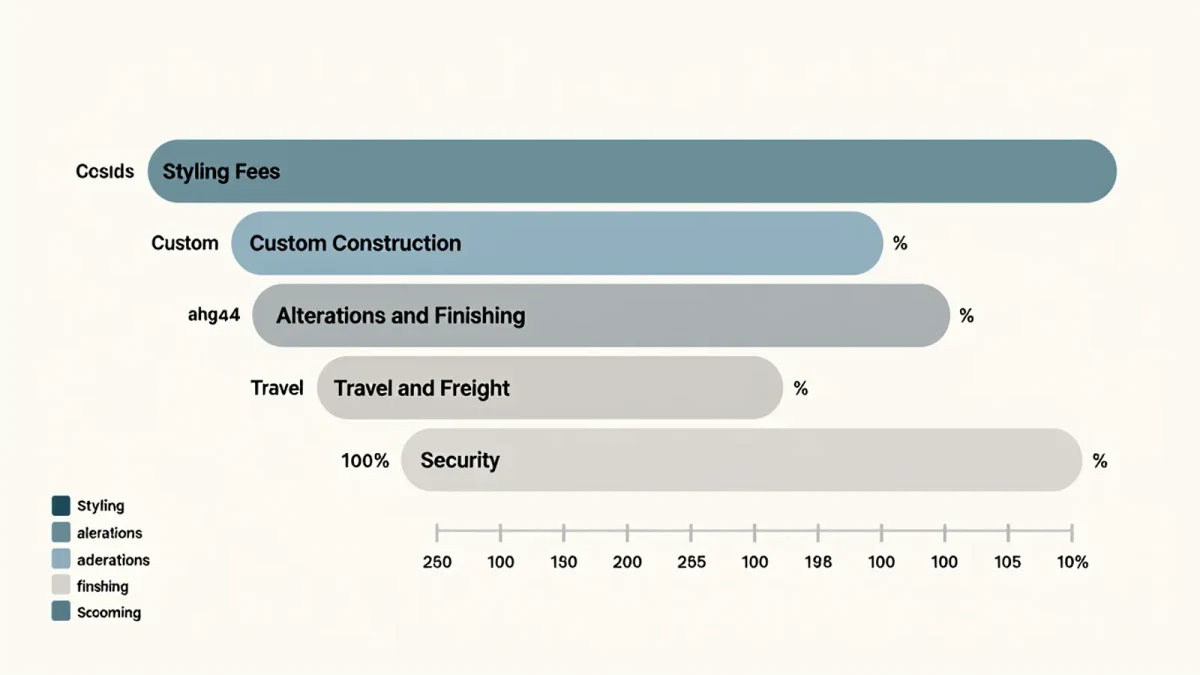
A premiere wardrobe budget breaks down into fees, custom builds, alterations, travel and security — and a full press season can clear six figures before a single gown is bought.

Jewelry loans and insurance on the carpet run through armored couriers, vault valuations and policies written for one night — because the diamonds on loan are worth more than the films being premiered.

Met Gala looks get funded by fashion houses that buy tables, dress their guests for free and absorb six-figure costs — because a museum fundraiser doubles as the industry's most concentrated advertising buy.

A brand ambassador contract requires exclusivity, morality protection, content quotas, usage rights and lawful disclosure — and the penalties for faking the last part now run to five figures per violation.

Archive loans trade irreplaceable garments for irreplaceable publicity — under contracts that dictate every hour the piece is off premises.