Celebrity gossip is the most cloned content on the internet. A single real story about a breakup, a feud or a contract dispute gets scraped, exaggerated, re-quoted and re-illustrated across dozens of sites within hours — and some of those versions were never true to begin with. Reading that feed safely is a skill, and it starts with treating every headline as a claim that needs a source, not a fact that arrived pre-verified.
The good news: the fakes follow patterns. Fabricated quotes lean on unnamed insiders. AI-generated photos fail on hands, jewelry and lighting. Engagement bait uses urgency words that real reporting avoids. Once you know the tells, scanning a story takes seconds. Dictionary.com defines reading as looking at something carefully so as to understand its meaning — and that careful look, not the scroll, is the whole method. The same dictionary lists a second sense of the word: to infer something not directly stated. That is exactly the muscle this guide trains. According to Cambridge Dictionary, to read is to obtain meaning from written words — and in celebrity coverage, the meaning is often hiding in what the story does not say.
Why does celebrity gossip attract so many fakes?
Celebrity news runs on attention, and attention pays by the click. A story about a movie star's divorce needs no filing fee, no court record and no on-record source — which makes it cheap to produce and impossible to cheaply disprove. The subject rarely responds, because responding feeds the story. The result is a coverage category where the downside of fabrication is close to zero.
The economics do the rest. A fabricated quote attributed to "a source close to the star" costs nothing to write and can outrun a correction for days. Real reporting names its sources or explains why they are unnamed; fabrications hide behind the vagueness on purpose. The vagueness is not sloppy. It is the product.
There is also a supply problem. Publicists seed some stories deliberately, fan accounts invent others, and content farms launder both into what looks like independent coverage. By the time a story reaches your feed, it may have passed through four sites, and each pass added drama and subtracted sourcing.
How do you spot a fake quote?
Start with the attribution. A real quote comes with a name, a venue and a date — an interview, a court filing, a social post you can open yourself. A fake quote comes with "sources say," "an insider reveals," or a quote that appears in no other outlet. If the only place a dramatic sentence exists is the article you are reading, treat that sentence as unverified.
Then check the quote's shape. Fabricated quotes tend to be too perfect: they state the entire narrative in one tidy soundbite, in the celebrity's polished public voice, with no hesitation or mess. Real people speak in fragments. A quote that reads like the headline restated is usually written by the headline's author, not the speaker.
Finally, trace it backward. Search the exact phrase in quotation marks. If it traces to one low-profile site and every other outlet is paraphrasing that site, you have found the fabrication point — or at least found that nobody independent confirmed it. One origin, zero named sources, maximum drama: that combination is the classic signature.
What are the tells of an AI-generated photo?
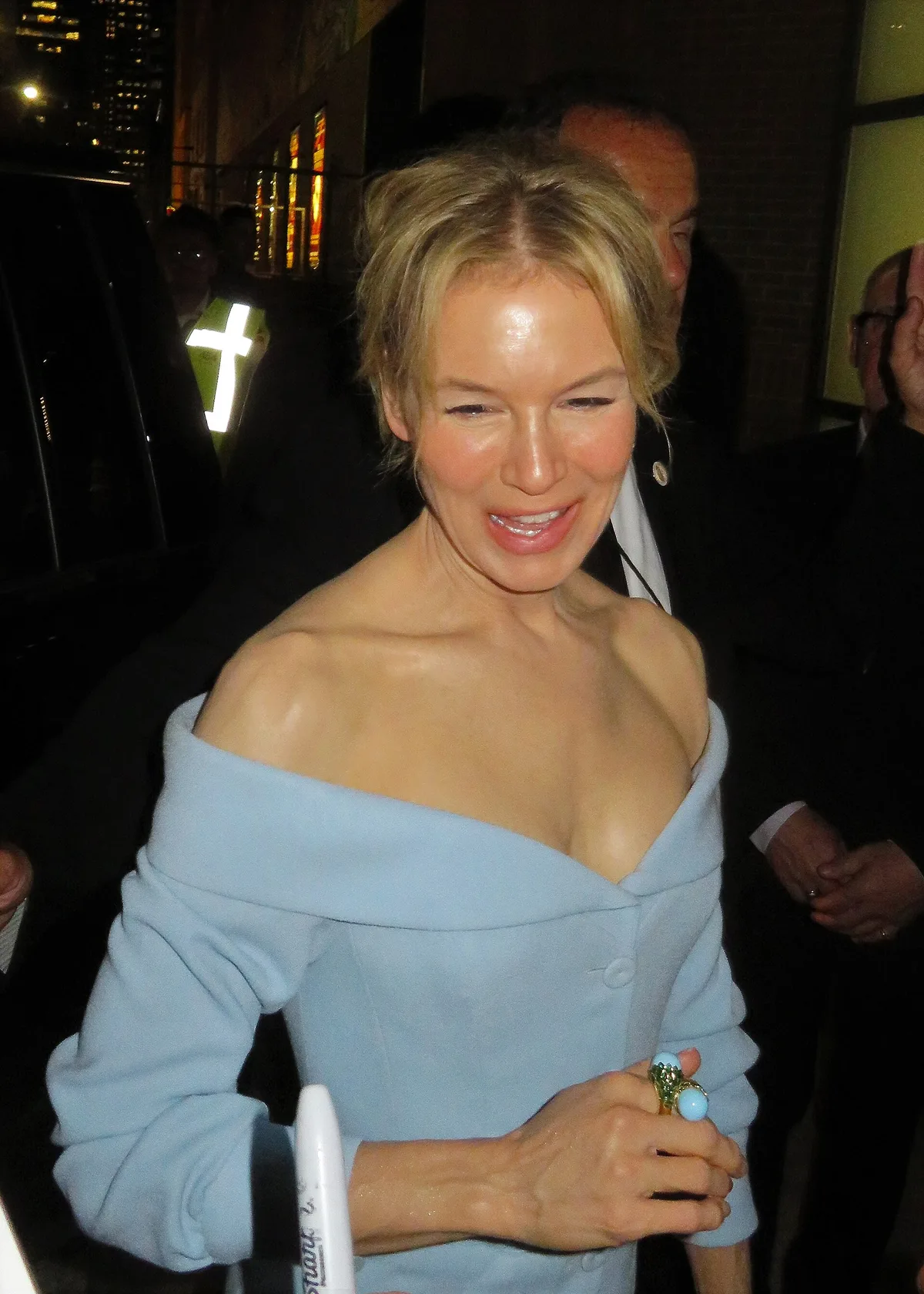
AI image tools have gotten good at faces and bad at the edges of a frame. Look first at hands, teeth, earrings, watch faces and background text — the details generators still fumble. A paparazzi shot with a warped hand, a melted logo or a sign that reads as almost-English deserves suspicion. Readers following this should also see What a First-Look Deal Actually Is (and What It Doesn't Buy).
Look second at the physics of the image. Real candid photos have consistent lighting, natural motion blur and a coherent background. Generated images often show a subject lit from one direction and the background lit from another, or a crowd where every stranger is equally sharp. Flawless skin on a paparazzi shot is another flag; the whole point of candid photography is that it is not flattering.
Look third at provenance. Ask where the photo first appeared. A genuine set usually surfaces on an agency's own feed or a credible outlet with a credit line. An image that appears nowhere except aggregator accounts, with no photographer credited, may not depict anything that happened. Reverse-image search is free and takes under a minute — if the "exclusive" photo has an older, different life elsewhere, you have your answer.
How does engagement bait work?
Engagement bait is content engineered to make you react before you think. It has a reliable vocabulary: "breaking," "you won't believe," "it's over," "fans are devastated," "the truth about." None of those phrases carry information. They carry adrenaline. Real entertainment reporting leads with a confirmed detail and a named source; bait leads with a feeling and a question mark.
The structural tell is the missing fact. Bait promises a revelation and delivers a recap of rumors, padded with screenshots of other people's speculation. Notice how often the story's central claim — the breakup, the feud, the firing — is attributed to nobody at all. The piece is designed to be shared for its emotional charge, not believed for its evidence.
Comments are part of the mechanism. Bait posts often seed their own outrage, then harvest the arguments as signals to the algorithm. Every angry reply distributes the story further, which is why the most effective response to bait is not a rebuttal. It is silence.
What this means: a practical checklist
Our analysis of how these fakes travel points to one habit that catches most of them: check the sourcing before you check the story. Run any suspicious item through this sequence.
- Find the named source. Who is quoted, on the record, and where? No name, no news.
- Check for a second outlet. Did anyone independent report the same fact, or is everyone rewriting one post?
- Search the exact quote. If the phrase exists in only one place, it probably started there — and stopped there.
- Inspect the photo. Hands, lighting, background text, then a reverse-image search.
- Note the date. Old stories recirculate as new all the time. A "shocking split" from three years ago is not a development.
- Watch your own reaction. If the headline is built to make you furious or gleeful, that is the product. Slow down before sharing.
None of this means cynicism. It means calibration. Plenty of celebrity reporting is solid, sourced and worth your time — coverage of deals, contracts and careers, for instance, rests on filings and announcements anyone can check. The scam artists depend on readers who cannot tell the difference between that and a screenshot with a caption.
Who benefits when you read carefully?
You do, first. Careful readers waste less time on fabricated drama and get a more accurate picture of how the industry actually works — who signed what, who got paid, who moved where. That picture is more interesting than the fake feuds, not less. The business of fame, from how a first-look deal works to how residuals shrink, is stranger than the gossip invented about it. We covered a connected angle in How Residuals Actually Work — and Why the Checks Got Smaller.
Honest outlets benefit too. Every click that goes to a sourced story instead of a fabrication shifts money toward the version of coverage that can be trusted. Every share of bait does the opposite. Attention is the industry's real currency, and readers decide where it flows.
The celebrities themselves sit oddly in this system. Fabricated stories are rarely kind to them, but corrections rarely reach the audience the fakes did. Reading carefully is the cheapest form of fairness available to a reader: it simply declines to pass the fake along.
The takeaway
The defense against celebrity-news scams is not a tool or a paywall. It is a two-second pause between the headline and the share button. Ask who said it, who else reported it and where the picture came from. If those three questions have no answers, you are not reading news. You are reading bait — and now you can tell the difference.