Who decides what reporters ask on the red carpet? Short answer: the publicists working the event, in negotiation with the outlet that wants the position. Every question list, every interview length, every camera slot is arranged before a single star steps out of a car.
That is the part viewers never see. The carpet looks like chaos — flashes, shouting, a star gliding from microphone to microphone. It runs on a schedule, a staffing grid, and a set of agreed topics that would embarrass a treaty negotiation.
This piece diagnoses the machine: who controls access, how questions get pre-approved, and what happens when a reporter goes off-script. The short version — the carpet is a managed asset, and the people managing it are not the journalists standing on it.
Why is the carpet red in the first place?
The color choice is older than the movie business, but the logic still holds. Red is built to grab attention. As Wikipedia notes in its entry on the color, red is very easy to notice, which is why stop signs, stoplights and fire equipment are usually painted red — and it brings attention to text and images, including on the internet.
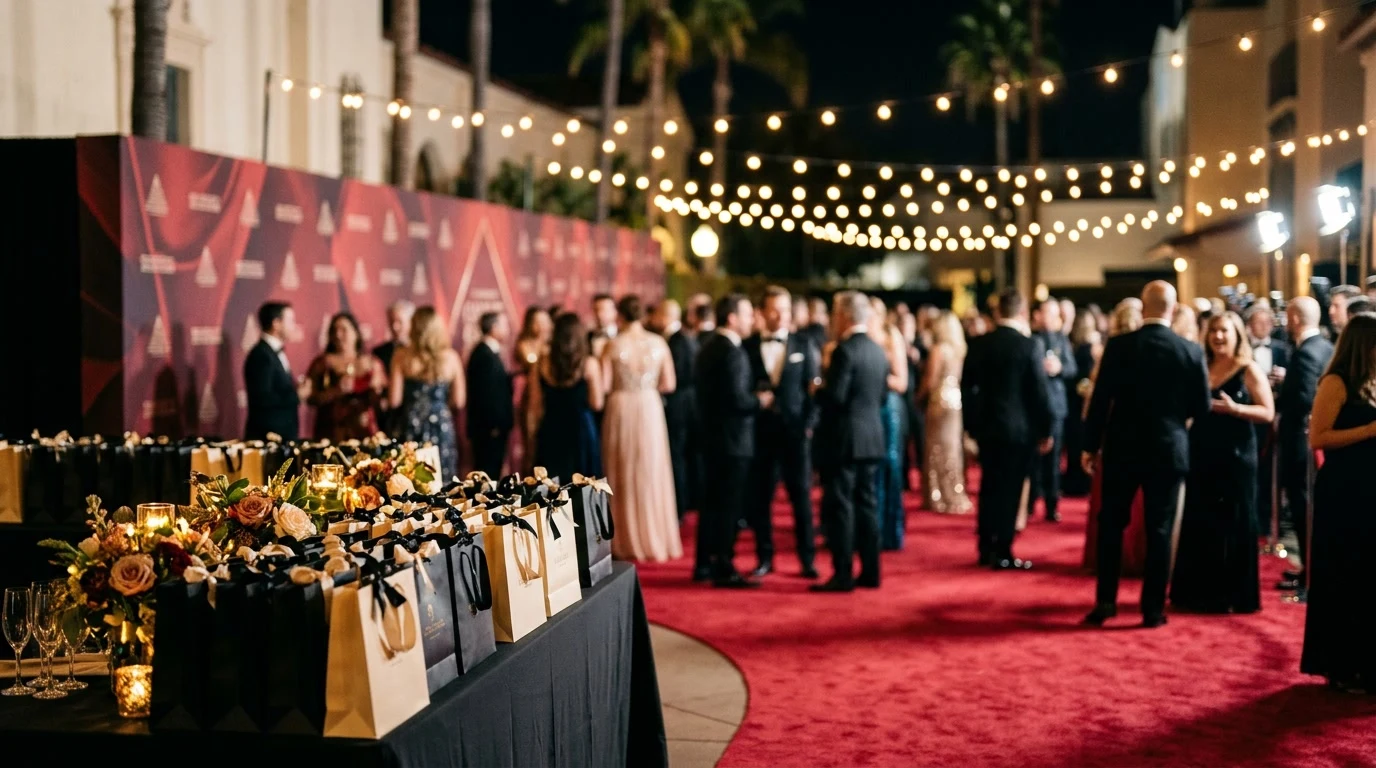
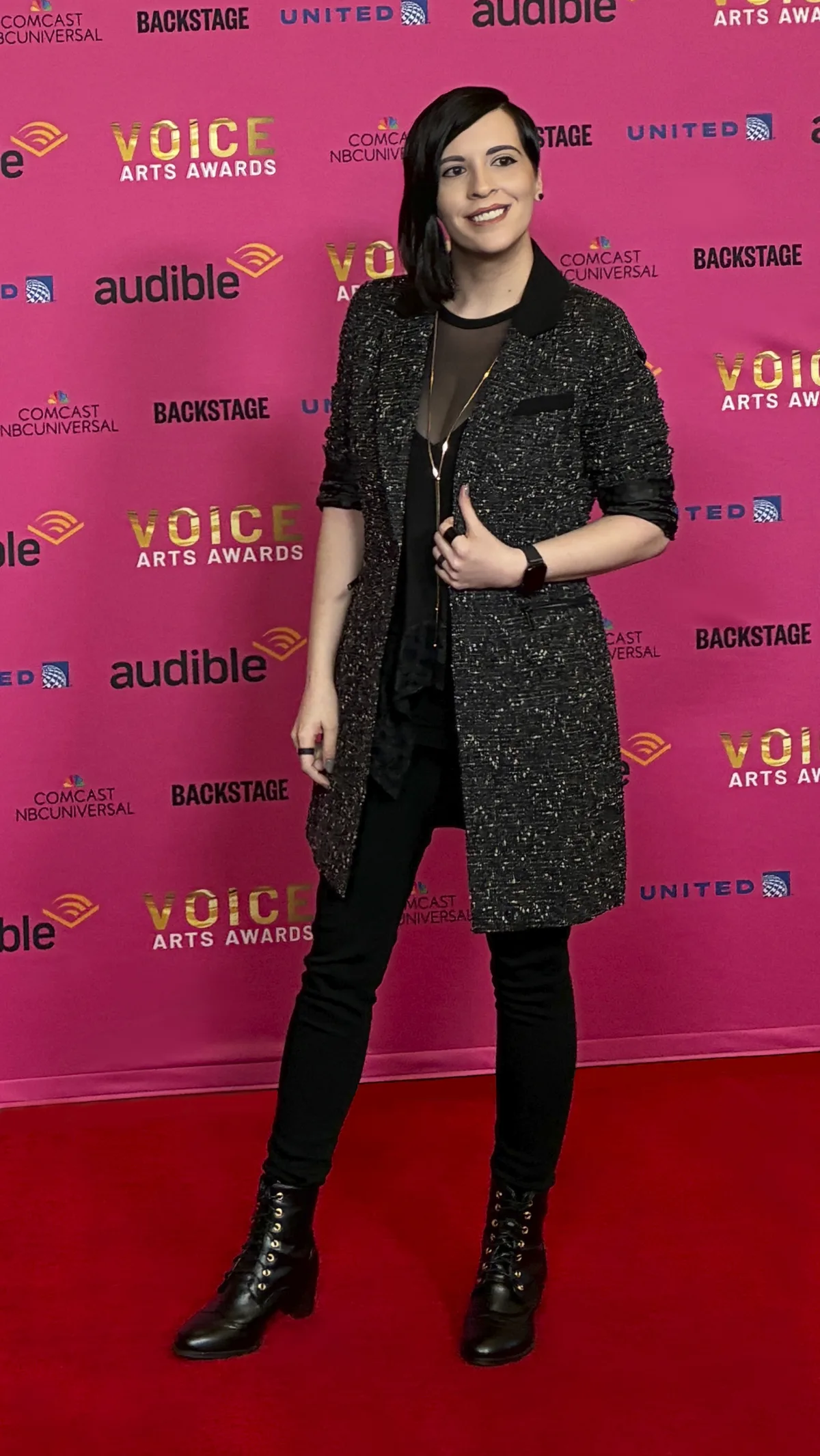
That visibility is the point. A carpet is a backdrop engineered so that every photograph reads instantly, and so that the celebrity, the designer and the sponsor all get their frame. The interview is a secondary product. The picture is the primary one.
Who actually controls access to the carpet?
Three parties, in practice. The event's producers — a studio, a guild, a festival — own the carpet and set how many press positions exist. The publicists representing the talent decide which of those positions their clients will stop at. And the outlets themselves apply for credentials months in advance, often through a pool system.
Publicist approval is the gate that matters. An outlet can hold a coveted position and still get nothing if a star's team decides, that night, that the outlet's recent coverage is unwelcome. There is no appeal. The star simply walks past.
The town treats this as normal. Coverage of the awards campaign — the kind of spending and strategy behind it is a story in its own right, as with the reported millions studios put into awards outreach — treats carpet access as one lever among many. It is leverage, and everyone on the carpet knows whose it is.
How do questions get pre-approved?
Mostly through the request process, not a signed document. Weeks before a major carpet, a publicist will ask an outlet what its reporter plans to cover. The answer shapes everything: an outlet flagged as doing a fashion segment will get fashion questions. An outlet known for hard news may find its position quietly reassigned.
The mechanics look like this: We covered a connected angle in What a First-Look Deal Actually Is (and What It Doesn't Buy).
- The outlet requests a carpet position and describes its planned segment.
- The publicist approves, rejects, or reshapes the plan — sometimes steering the reporter toward a project the client is promoting.
- On the night, a handler escorts the star down the line with a rough clock, moving them along if an interview runs long.
- Anything outside the agreed lane risks a shortened chat, a redirected star, or a word with the outlet's booker the next morning.
Nobody hands a reporter a script at the velvet rope. But the pre-negotiation does the same work. The topics are agreed before the shoes are on.
What happens when a reporter goes off-script?
The consequences are quiet and effective. The handler steps in, often with a hand on the star's arm and a line about running behind schedule. The interview ends mid-sentence, on camera, and it looks like logistics rather than punishment — which is exactly the design.
The longer penalty comes later. Outlets that burn a publicist's trust find their requests answered more slowly, their positions downgraded, their booking calls not returned. Carpet access is a recurring asset. Reporters who want to keep it learn the lane and stay in it.
There are exceptions. A star who wants to say something can override their own team — the surprise announcement, the pointed answer, the unscripted moment that becomes the clip of the night. Those moments are memorable precisely because the system is built to prevent them. For related coverage, see Super Mario Galaxy Movie Becomes First Billion-Dollar Release of 2026.
Who wins and who loses in this arrangement?
The star's team wins control of the message. The outlet wins a position and predictable footage. The event wins a smooth, sponsor-friendly broadcast. The loser is the unscripted question — the follow-up, the awkward topic, the thing a viewer actually wanted to hear asked.
Readers should adjust their expectations accordingly. A carpet interview is closer to a coordinated segment than an interrogation. The star knows the questions. The reporter knows the answers. The audience supplies the electricity.
Our analysis: this is not a scandal, it is a business model. The carpet monetizes attention, and attention is easiest to sell when it is orderly. Anyone consuming celebrity coverage — including the kind this site covers in its celebrity section — should read a polished carpet clip as a negotiated performance, not a window. The same skepticism that helps readers spot manufactured celebrity news applies here: if it looks frictionless, it was arranged to look that way.
What this means for awards season
As campaigns intensify, the choreography tightens. More positions, more handlers, shorter windows, and publicists with more leverage over which outlets get their clients. The fashion coverage, the designer credits and the sponsor mentions are all part of the same negotiated frame — the style beat and the business beat meet on the same strip of carpet.
The takeaway for viewers: enjoy the gowns, but know the machinery. The person deciding what gets asked is rarely the person holding the microphone. They are standing just off-camera, with a clipboard and a schedule, and they have already read the questions.