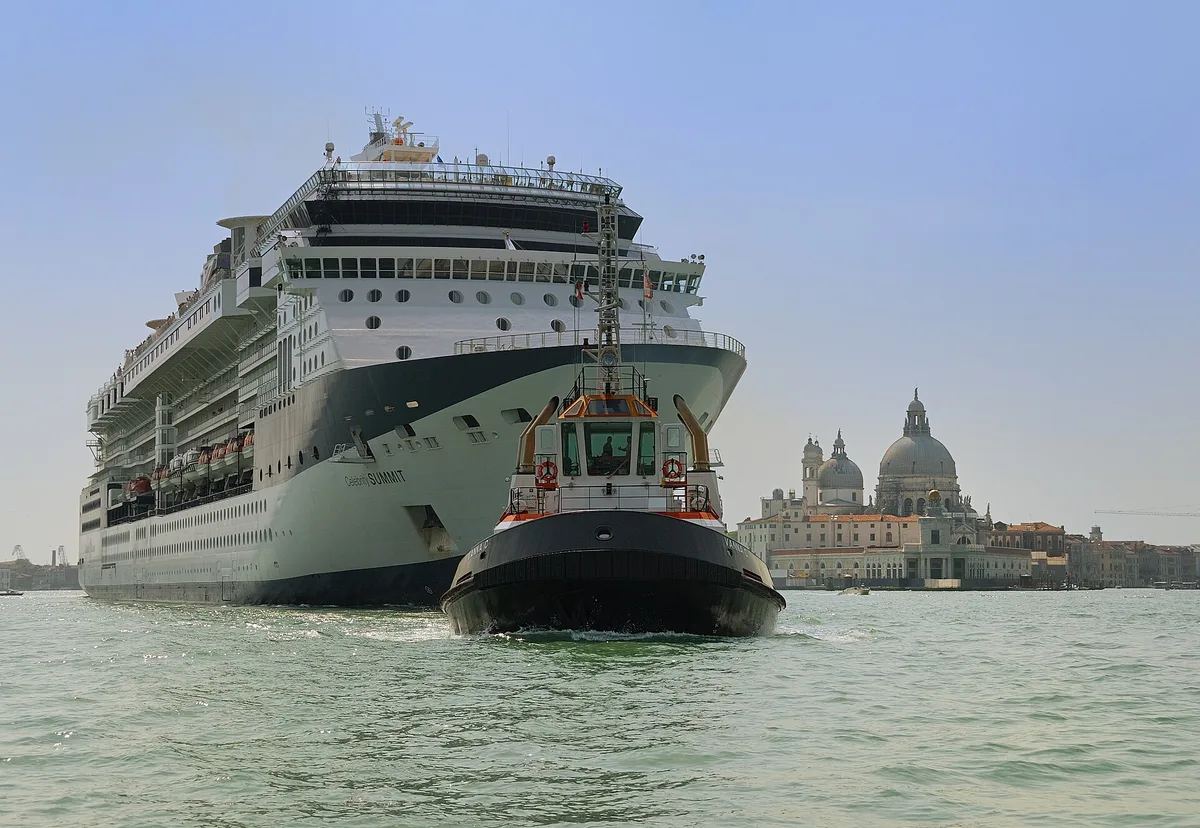
A celebrity cruise is a charter voyage built around a star, a show, or a band. Fans buy cabins. The talent shows up, performs or hosts, and gets paid for the week. Everyone on board is there because of one name on the marquee.
The model is older than it looks. Rock charters ran fan sailings decades before streaming gave TV casts a reason to board a ship. What changed is the cast: actors, showrunners, and reality personalities now sell the same access musicians always did. The clinic's read: a themed sailing is less a vacation than a live event with hotel rooms attached.
It is also a reminder of how a title keeps earning after release. Even a film that barely reached audiences can stay in the conversation through licensing and fan experiences. Wikipedia's entry on Inside records that the 2023 Willem Dafoe thriller, distributed in the United States by Focus Features, grossed about $1 million worldwide against a festival premiere in Berlin — the kind of modest theatrical run that makes ancillary revenue, from streaming to events, matter more to a title's economics. Experiences are part of that ancillary shelf.
Who actually pays for a themed sailing?
Three parties fund the week, in different ways. Fans pay for cabins through the event organizer. The organizer, in turn, either charters an entire ship from a cruise line or buys a block of cabins on a regular sailing. The talent is paid by the organizer, usually against the ticket revenue the star's name is expected to pull.
The cruise line's role is quieter. It supplies the ship, the crew, and the food, and it collects its charter fee regardless of how many fans show up. That is why the line, not the organizer, carries the least risk. The organizer has sold nothing yet and still owes the line. The star has the safest seat of all: a negotiated fee, often with an appearance schedule written into the contract.
That fee structure explains the guest list. A headliner draws the bookings. Supporting cast members, panel moderators, and cover bands fill the schedule between the big moments, usually for smaller fees. The lineup is a payroll, not a party.
What does the star actually agree to do?
An appearance contract for a sailing reads like any live-event deal, with ship-specific wrinkles. The typical obligations, in general terms, run along these lines:
- A set number of appearances — a performance, a Q&A, a meet-and-greet block.
- Agreed hours and locations on board, so the organizer can print a schedule fans will pay for.
- Photo and recording terms, which decide what fans keep and what the organizer can use in next year's marketing.
- Conduct and cancellation clauses — what happens if the star leaves early or the sailing is scrapped.
The wrinkle is geography. Once the ship sails, nobody can walk off the job. Organizers know this, so contracts lean hard on appearance minimums. A star who feels unwell mid-voyage cannot simply be replaced the way a convention panelist can. Fans notice. The internet notices faster.
Why would a star say yes?
Money is the first answer, but not the whole one. A week of hosted appearances pays like a run of live events, and the organizer handles logistics. For a musician with a devoted but aging fanbase, a charter concentrates the audience in one place with no touring costs.
For TV casts, the calculus is different. A sailing keeps a show's fandom warm between seasons, which is worth something at renewal time. It also converts goodwill into a payday that does not run through the studio — no residual formula, no net-profit accounting of the kind that governs how a profit participation agreement actually pays a star. The check comes from the organizer, and it is cash, not points.
There is a third motive the publicists rarely say out loud: control. On a themed sailing, the star meets the friendliest possible audience. No critics, no spoilers from people who haven't watched, no awkward questions. Compare that with the exposure math in how scandals hit a star's earning power — a curated room is cheap insurance for a brand.
What can go wrong, and who eats it?
The organizer carries most of the risk, and it is concentrated before departure. Cabins must be sold months in advance to cover the charter. If the headliner cancels, ticket holders can demand refunds and the organizer still owes the ship. That is the failure mode fans hear about when a sailing is quietly pulled from an organizer's website.
At sea, the risks shift to the experience itself. Fans who paid for a premium cabin expect real access, not a wave from a deck above. If the schedule slips or a headliner skips a session, the organizer absorbs the complaints, because the cruise line delivered the ship it promised. The talent's reputation takes a dent on social media; the organizer's takes one on the refund line.
Our analysis: the recurring pattern is over-commitment at booking time. Organizers sell access levels based on what the talent's team has softly agreed to, then discover at sea what was actually in the contract. The gap between those two documents is where the bad reviews come from.
Is the fan getting what they paid for?
In general terms, the honest answer is: read the inclusions, not the trailer. Ticket tiers usually separate cabin quality from access quality, and the marketing blurs the two. A top-tier berth does not guarantee time with the headliner; a meet-and-greet may be a posed photo with a moving line. The schedule printed before boarding is the real product. Everything else is atmosphere.
That is not a knock on the format. Done well, a themed sailing delivers something no venue can: several days of proximity, unscripted moments, and a community that rebooks together. The organizers who last are the ones who treat the talent's contract and the fan's ticket as the same promise, priced honestly.
The takeaway
A celebrity cruise is a live-event business on a floating venue, funded by fans, insured by talent fees, and exposed on the organizer's balance sheet. The star sells presence. The line sells the ship. The organizer sells the promise that the two will meet — and eats the loss when they don't. What the available evidence does not establish is any industry-wide figure for what these sailings gross or pay, because most are private charters between private companies. Treat any number you see elsewhere as an estimate until someone shows the contract. This connects to our earlier piece, How Celebrity Production Companies Actually Work: Who Keeps the Content.