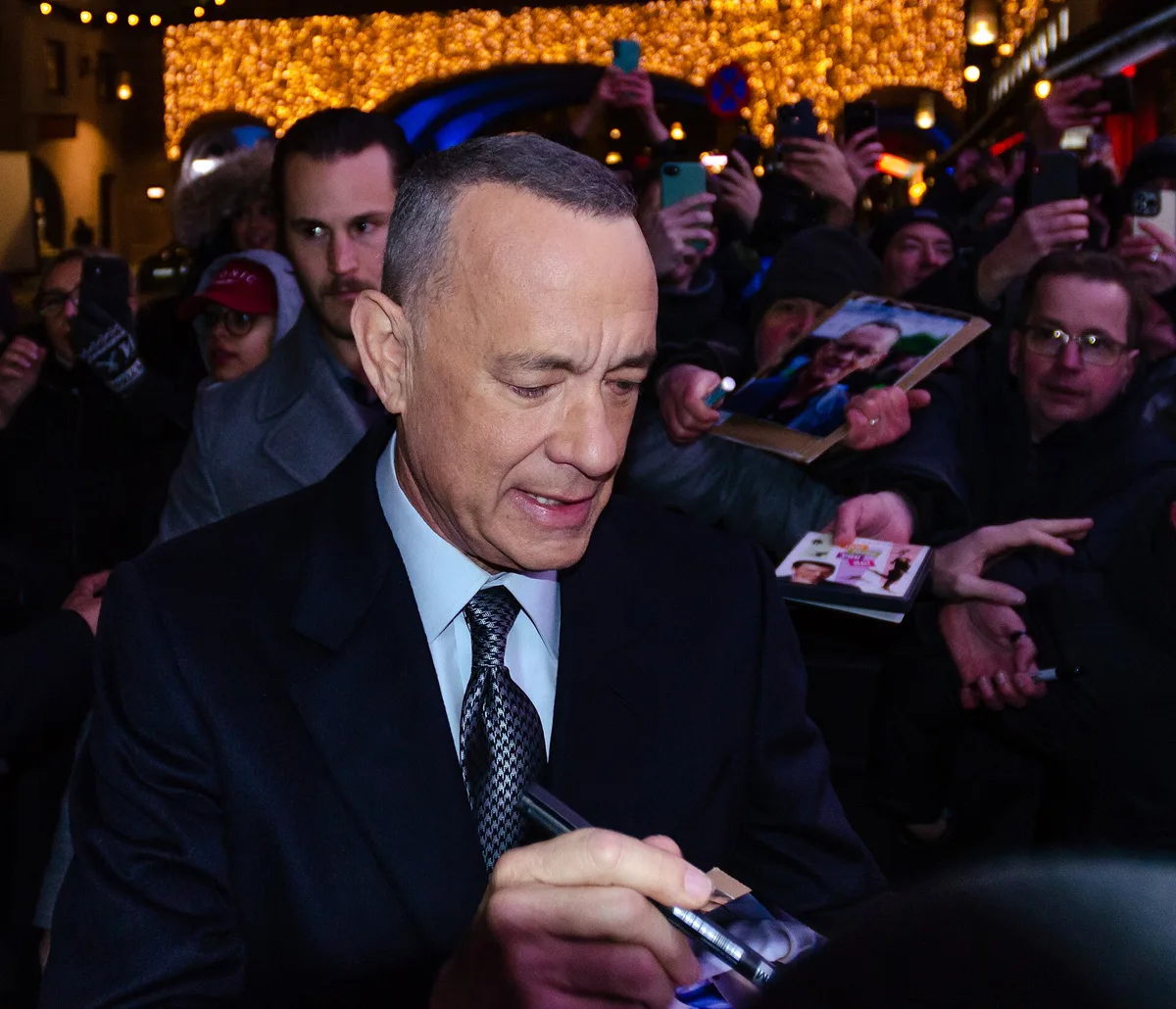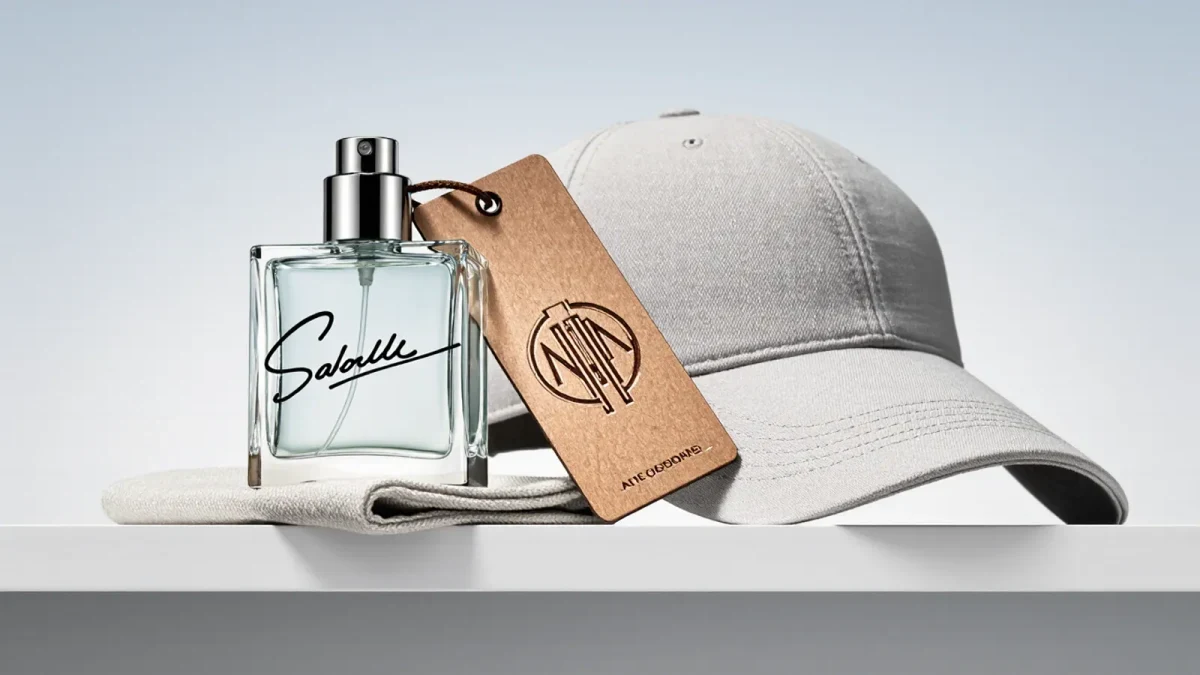
A name-and-likeness license lets a company use a celebrity's identity — name, face, voice, signature — on products or in marketing for a defined term, in exchange for guaranteed payments plus royalties on sales. The right itself is a creature of state law: California's publicity statute, Civil Code Section 3344, makes unauthorized commercial use of another person's name, voice, signature, photograph, or likeness actionable, per the California Legislative Information, ongoing. The deal is simply that right, rented out contract by contract.
This site publishes business information, not legal advice. Statutory descriptions here are summaries; specific questions require counsel.
What Exactly Is Being Licensed?
Three bundled assets: the name, the likeness (face, figure, distinguishing look), and ancillary markers like signature, nickname, or catchphrase. Deals slice these finely — a fragrance license may cover name and likeness in beauty retail only; a videogame license may cover the likeness but not the voice; an NFT or digital-replica license may cover the face while excluding music. Scope definitions, by product category, channel, and territory, are the entire commercial architecture of the agreement.
The rise of AI has made slicing harder and more valuable. Digital-replica rights are now negotiated explicitly, with separate consent and pricing for synthetic uses — a market that barely existed before generative tools made dead and aging likenesses reproducible at scale.
How Do the Royalties Work?
Typically a royalty percentage of net or gross wholesale sales, structured against a guaranteed minimum. The guarantee is paid regardless of sales; royalties above the minimum flow after recoupment. Rates vary by category — fragrance and apparel deals historically ran in the roughly 5–10 percent royalty band common to celebrity licensing, per The Hollywood Reporter's coverage of licensing economics, 2019 — while higher-margin or lower-effort categories price differently. Escalators tie future rates to sales thresholds.
Audit rights matter as much as rate. A licensee self-reports sales; without a contractual audit clause and recordkeeping obligations, the licensor's royalty stream is whatever the licensee says it is.
Who Controls the Deal After the Celebrity Dies?
Whoever holds the post-mortem right, and that is state-specific. California recognizes a transferable post-mortem publicity right lasting 70 years after death; New York enacted a 40-year post-mortem right covering deceased personalities in its 2020 expansion of publicity law, per the New York State Senate legislation record, 2020. Estates from classic Hollywood to modern music have become ongoing licensing businesses on the strength of these statutes.
The estate business is substantial. Heirs and professional estate managers renew fragrance, apparel, and media licenses decades after death, and litigation over who controls these rights — among family members, business partners, and trusts — is a standing genre of entertainment law.
How Is This Different From an Endorsement?
Endorsement rents presence: the star appears, promotes, and performs services during the term. Licensing rents identity: the star may never lift a finger after signing, while the name sells product for years. Licensing is passive income; endorsement is fee income. The two are frequently combined — a licensed product line promoted under an endorsement agreement — but the underlying rights, durations, and revenue mechanics are distinct.
The distinction also drives value at sale. A licensing program with a long royalty history is an asset an acquirer can underwrite; an endorsement relationship is a contract that ends.
What Does the Licensee Actually Buy and Owe?
The licensee buys exclusivity in a category, approval-gated usage, and a marketing commitment. In exchange it owes guarantees, royalties, reporting, quality control submission, and typically a launch schedule with minimum marketing spend. Approval rights let the star's side veto product designs, ad campaigns, and retail placement. Quality-control provisions are not vanity — a licensor who fails to police usage can risk weakening enforcement of the underlying right.
Term and renewal structure the whole economics: multi-year initial terms with renewal options, sometimes with performance conditions — sell enough units or the license reverts.
What Are the Standard Dispute Points?
Audit results feed the fifth dispute: interest and termination. Licenses commonly allow termination for persistent underpayment, so an audit that finds a pattern — not a rounding error — becomes leverage for renegotiated rates or an exit into a competing licensee's better offer.
Four recur. Category scope — does a skincare license extend to ingestible beauty products? Net versus gross royalty base — deductions for returns, discounts, and marketing can hollow a rate. Approval delays — licensees want speed, licensors want control. And termination triggers — morality provisions now run both ways, so a brand scandal can hand the celebrity an exit, mirroring endorsement practice.
How Do Territories and Renewals Shape the Money?
Territory scope can double or halve a deal's value without changing a single word about the product. A North American license in one category might price at a fraction of a worldwide grant, because the licensee's distribution reach — and therefore its royalty base — differs by an order of magnitude across regions. Stars with genuine international recognition sell territories separately, sequencing launches so each market's guarantee reflects demonstrated demand from the last.
Renewal economics reward patience. An initial term that underprices a breakout product sets a low baseline; renewal negotiations then fight over escalators against a licensee who has built a business on the brand. Sophisticated licensors insert sales-reporting milestones and renegotiation triggers tied to defined thresholds, so the star's side learns early when the asset has outgrown its contract.
Frequently Asked Questions
Can a celebrity license their likeness for uses that happen after they die?
Yes, where state law provides a post-mortem right. California's runs 70 years after death; New York's 2020 law provides 40 years for deceased personalities, per the New York State Senate record, 2020. The right can be licensed by whoever holds it — typically the estate.
What royalty rate do name-and-likeness deals pay?
Celebrity licensing royalties have commonly run around 5–10 percent of sales in categories like fragrance and apparel, per The Hollywood Reporter, 2019, always against a guaranteed minimum. Rate, base, and audit rights together determine real value.
Does licensing stop others from using the name?
The underlying right does. Unauthorized commercial use is actionable under statutes like California Civil Code 3344, per California Legislative Information, ongoing, and a license strengthens the commercial case by showing the name's market price. Licensing and enforcement are two halves of the same asset.
Who negotiates these deals for celebrities?
Licensing agents or the star's existing talent agency alongside entertainment counsel. The agent shops categories and price; the lawyer drafts scope, approval, and audit mechanics. Business managers track royalty statements and flag underreporting.
Can a license cover AI-generated versions of a celebrity?
Increasingly it must be drafted to, explicitly. Digital-replica and synthetic-likeness rights are now carved out or separately priced, with consent requirements distinct from conventional photography and film usage. Deals silent on AI leave the question to future dispute.