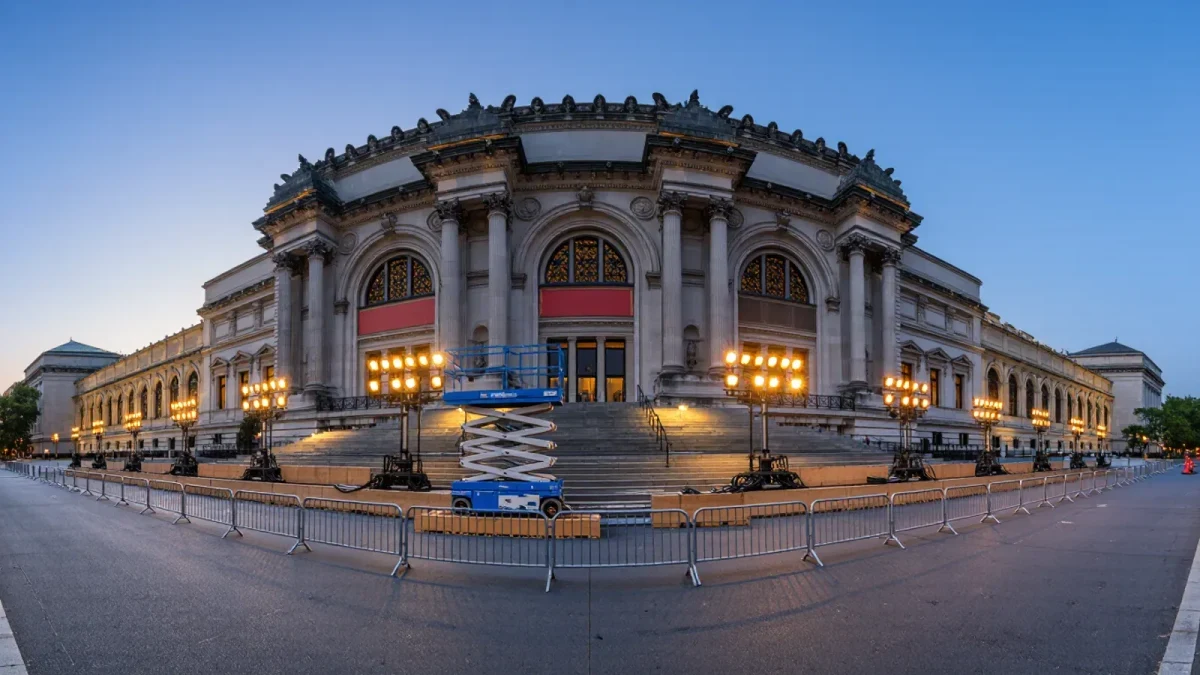
Met Gala looks get funded almost entirely by fashion houses. The brands buy the tables — priced at $350,000 for the 2025 evening, up from $300,000 in 2024, with single tickets at $75,000, per press coverage of the Metropolitan Museum of Art's pricing, 2025 — then spend multiples of that dressing the guests they invite. The gown walks in on a star; the invoice lands on a brand.
The event underneath the fashion is the Costume Institute Benefit, the museum's biggest annual fundraiser, run under artistic director Anna Wintour, who has chaired the evening since 1995, per Vogue's own account. This article publishes information about how the money flows, not fashion or investment advice.
Who actually pays for a Met Gala look?
Three funders, in descending order of frequency: the house, the house, and occasionally the house. A brand invited to the gala sponsors a table, seats its ambassador and its stylists' clients, and covers the manufacture of custom pieces that can run from tens of thousands into six figures each, per trade reporting on couture production costs, 2019. The guest wears it and returns it.
The rare exceptions matter. A guest unaffiliated with any house — a tech founder, an athlete between deals — may pay for the table and the look personally. Museums also underwrite some attendees: artists featured in the exhibition itself are hosted by the Costume Institute. But the carpet's default economics are corporate.
How much does a table really cost?
The sticker is $350,000 for a 2025 table, per press coverage of the museum's pricing, 2025 — a rise from $300,000 in 2024 and $250,000 the year before that, per the same coverage. Individual tickets for approved guests were $75,000 in 2025, up from $50,000 in 2024. The escalation is the point: scarcity plus status equals pricing power for the museum's exhibition budget.
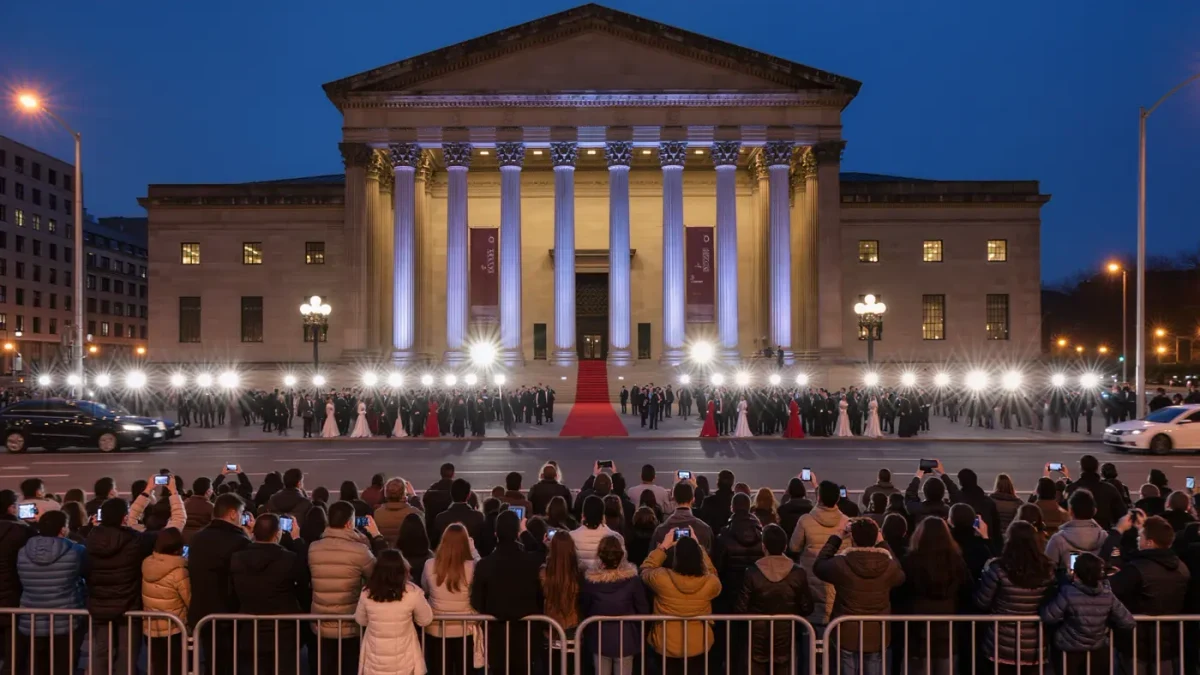
What the table buys is placement. Ten seats in the most-photographed room of the year, each one dressed by the buyer in clothing the buyer makes. No other advertising format comes with a captive global photo corps and a mandatory dress code themed to your own industry.
Why do brands dress guests for free?
Because the photographs are the product. A single high-profile look from the gala generates image licensing, press pickup and social reach that media-equivalent pricing values in the millions of dollars, per brand-side estimates reported by trade outlets covering carpet economics. Against that, a six-figure couture build reads as cheap inventory.
The free labor is also strategic. Houses spend the evening competing for the handful of images that survive in retrospectives — the looks that get cited for a decade. One archived photograph of the right person in the right dress outperforms a season of paid media, and every table buyer is bidding on exactly that lottery ticket.
What does a custom Met Gala gown cost to produce?
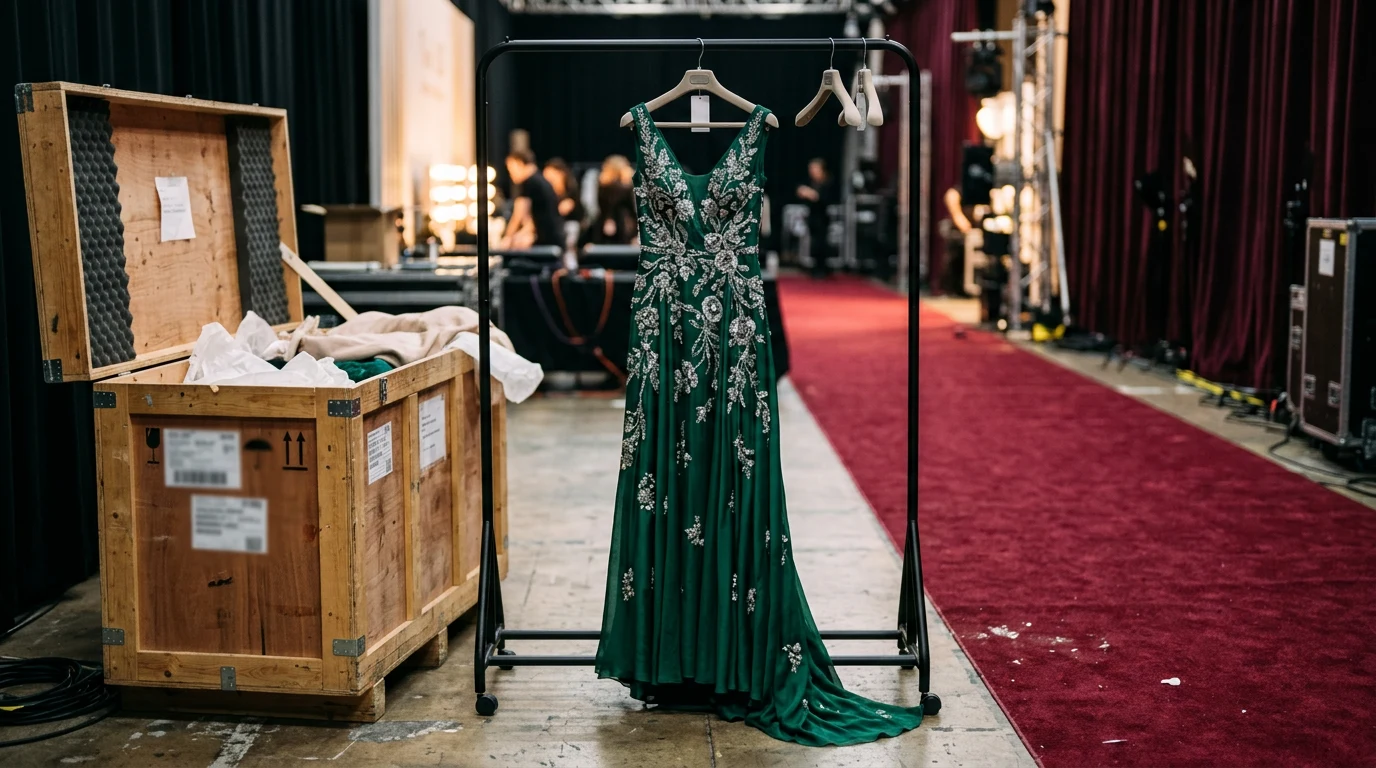
Custom pieces for the evening routinely run from roughly $30,000 for a straightforward couture-grade build into the hundreds of thousands for hand-embroidered or gem-set showpieces, per trade reporting on couture production, 2019. The figure covers ateliers working in overtime: a single look can absorb 500 to 1,000 hours across embroiderers, fitters and finishers, per the same reporting.
The star is not paid to wear any of it, and the house is not paid to make it. Both sides are spending against the same asset — the photograph — and the museum collects on the door.
How does the guest list economics work?
Wintour approves every seat, per long-standing Vogue accounts of the process, and that control is what makes the tables valuable. A brand cannot simply buy its way to an A-list seating chart; it buys a table whose composition the museum influences. The guest list is curated scarcity, and the curation is the museum's leverage over the brands.
For talent, an invitation is not a paid gig but a positioning exercise. An actress between ambassadorships arrives as a free agent — the single most dressed-up job interview in the industry, with contracts sometimes following within weeks of a strong carpet.
What role do stylists play in the funding?
Stylists broker the looks. Their fee is paid by the private client or folded into a campaign budget, but the clothes themselves are negotiated loans — the stylist calls houses, secures first-look access, and matches clients to tables their brands control. A stylist with strong house relationships effectively controls seating arithmetic worth $350,000 a table, per the museum's 2025 pricing.
That broker position is why styling economics and gala economics are inseparable. The person who can promise a brand two well-placed bodies in custom pieces is performing the evening's real trade — inventory for exposure — well before anyone steps outside.
Does the theme change the money?
Yes, and the 2025 edition was the clearest case yet. The exhibition, Superfine: Tailoring Black Style, was the Costume Institute's first menswear-focused theme since 2003, per the Met's announcement, 2024 — and menswear houses, tailoring brands and jewelers re-geared their table strategies around it, per press coverage of the 2025 edition.
Themes steer budgets because they steer coverage. A costume-heavy theme rewards ateliers that can build theatrical pieces; a tailoring theme rewards cut and craft. Brands read the announcement a year ahead and plan their table spend against it like a production slate.
What happens to the looks afterward?
Most are returned to the houses and enter archives — unworn commercially, but not worthless. Archived gala pieces reappear in exhibitions, campaigns and museum acquisitions, which is the industry's quiet justification for the spend: the gown is content twice, first on the steps and then for decades in the vault.
A few are bought by the guest or gifted at the house's discretion, and a small market exists in resale and auction, where provenance from a specific gala night carries a premium, per auction-house notes on contemporary couture. The fundraising evening, in other words, ends up funding more than the museum.
How do rising stars get onto the carpet at all?
For a newcomer, the economics run backwards. The invite arrives through a table host rather than the institution, and the look is often funded by a brand betting early on a name it expects to matter later. The star pays nothing, walks for a house that wants the association, and receives archive access that would normally take a career to earn. It is the cheapest capital in fashion, provided in gowns.
The stylists build these positions deliberately, matching unproven clients to houses hungry for relevance with younger audiences. One strong photograph on the steps can move a rising actor from borrowed dresses to paid ambassador conversations within a season, per the trajectory stylists describe in trade interviews. The house absorbs the risk the way an investor does, and expects the same return if the bet lands.
For guests without a brand backer, the night is simply expensive: a look is commissioned, bought, or skipped. That is the quiet filter the guest list runs on, and why the carpet reads as an industry map, with every silhouette telling you who paid for the ticket.