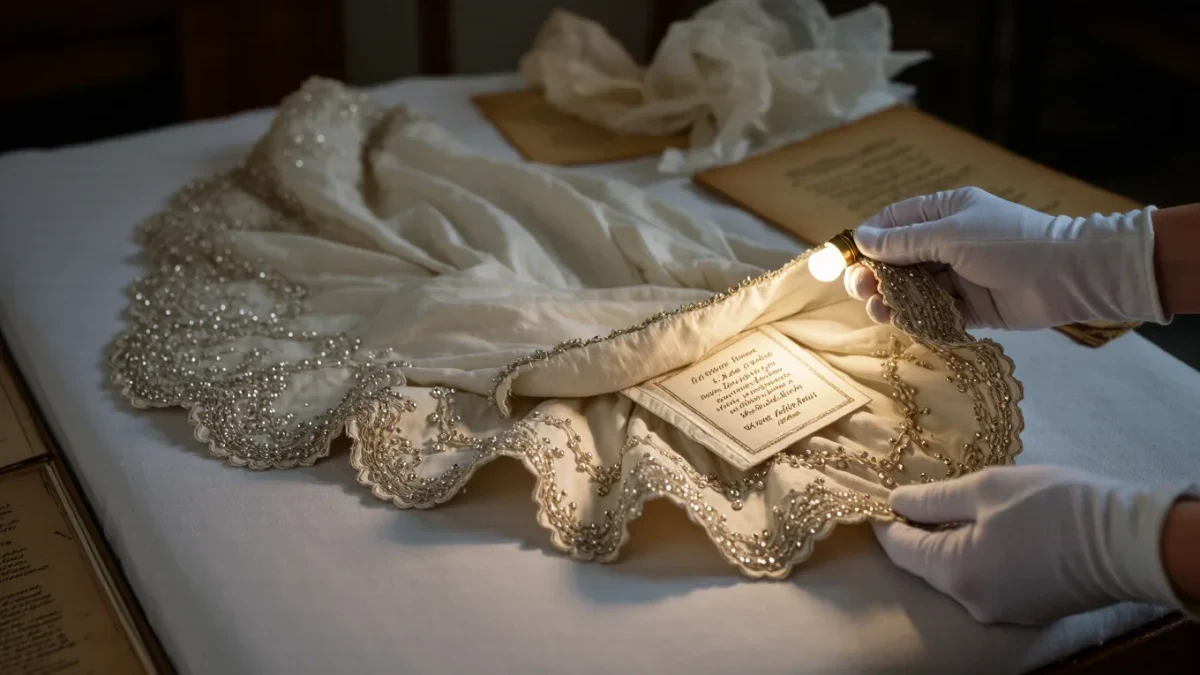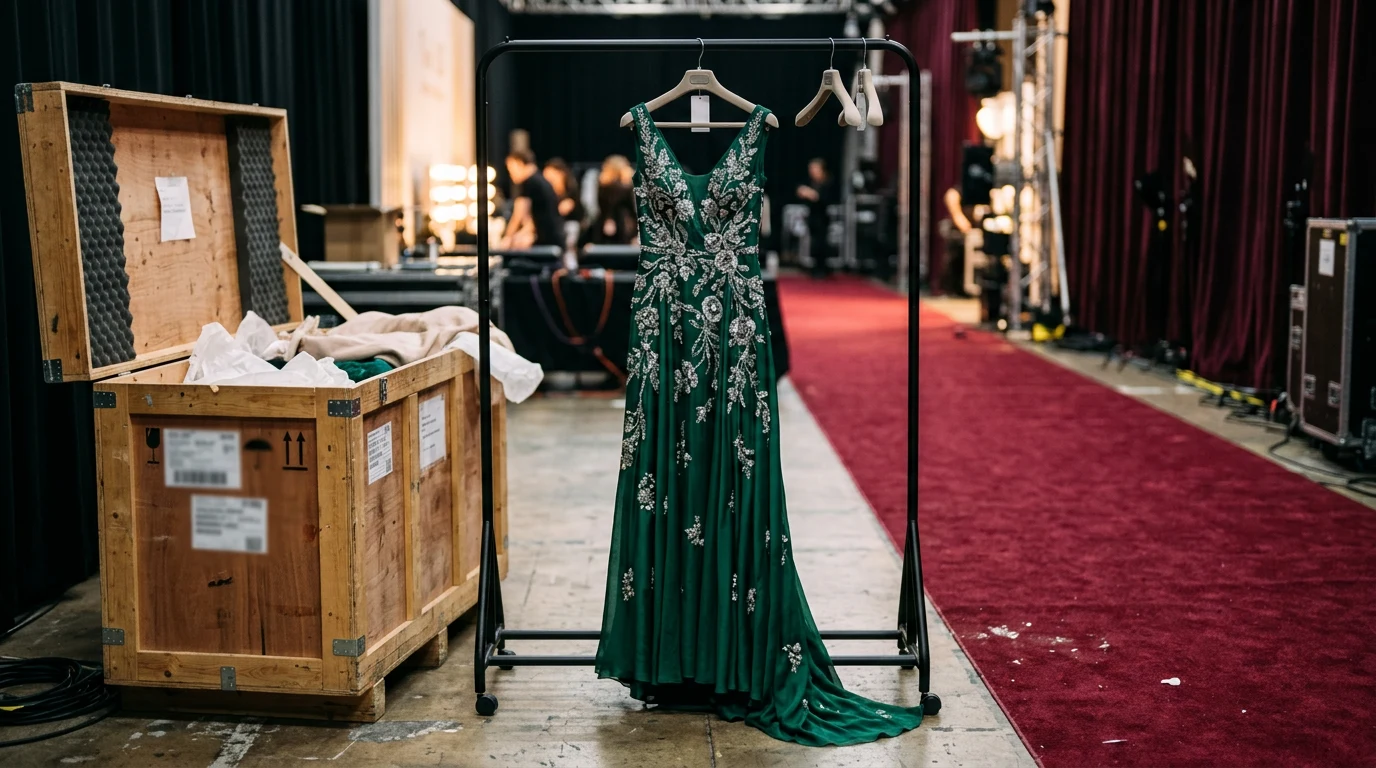
An archive loan is a fashion house lending a garment from its own historical collection — sometimes decades old, sometimes one of one — to a star for a single appearance. The benchmark case: Ripley's Believe It or Not bought the Marilyn Monroe "Happy Birthday" dress for $4.81 million at Julien's Auctions in 2016, per Julien's Auctions, and then loaned it to Kim Kardashian for the 2022 Met Gala, per the Associated Press. That is the ceiling of the category: museum-grade objects, briefly worn.
How fashion houses loan archive pieces is a story about control. The house owns the garment, the archive and the yes. The star gets history on their body for one night, and the house gets its name attached to it forever. This article publishes information about how the practice works, not authentication or buying advice.
What counts as an archive piece?
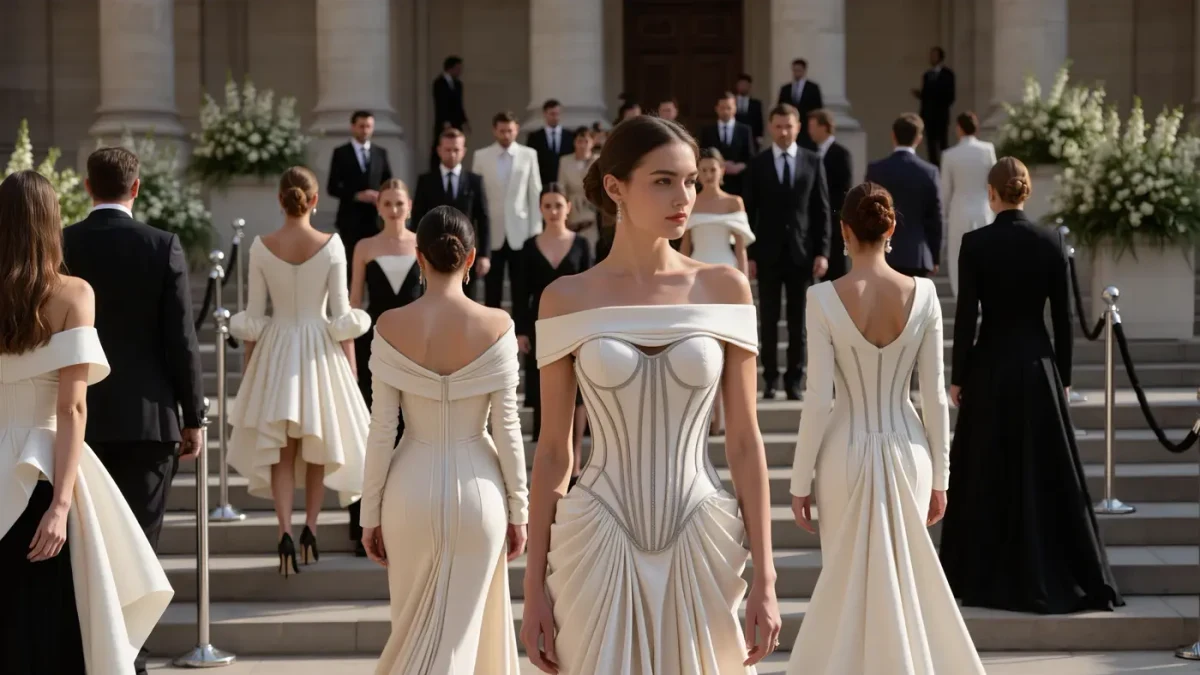
Technically, anything pulled from a house's preserved back catalog rather than a current season. In practice, the loan market splits into three tiers. Vintage from named designers — a 1990s couture gown, an iconic runway look — is the base tier. Signature "hero" objects, like the Monroe dress, form the top tier. In between sit the revived archival looks houses reissue or re-cut for ambassador clients, a practice that has become a fixture of modern carpets.
The houses invest in this. Major European luxury groups maintain staffed archives with conservation teams, and the practice of cataloguing and exhibiting heritage has grown into a running dialogue with museums — the same institutions that stage designer retrospectives. An archive is now a marketing asset with a maintenance budget, not a storage problem.
Who decides that a piece leaves the archive?
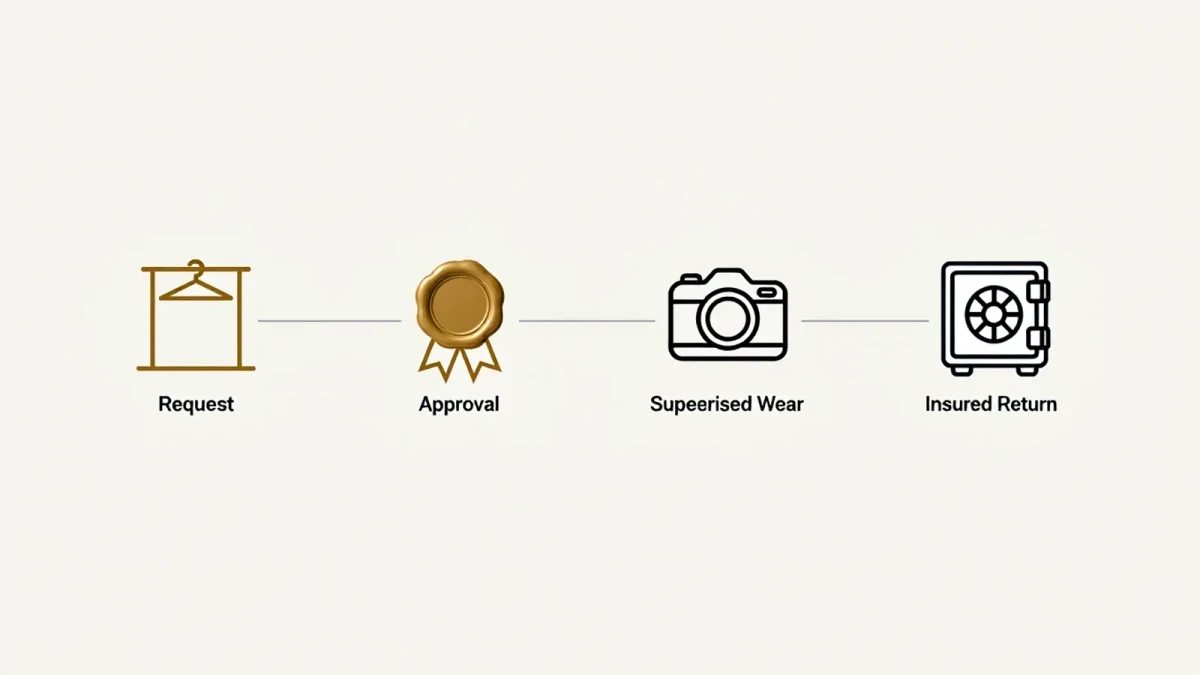
Not the stylist, ultimately. A request travels from stylist to house press or celebrity-services team, then up a chain that ends with the people who run the archive itself and, on famous objects, senior executives. Criteria are unwritten but consistent: the stature of the wearer, the event's global reach, the campaign narrative, and whether the house wants that name permanently attached to that object in every future photo caption.
Rejection is common and not always about the star. A house may refuse because the piece is too fragile, because a rival client has a claim on the era, or because the anniversary campaign it was saved for is next season. Archive strategy is scheduled years ahead, per standard practice at heritage houses that stage anniversary revivals.
What does the loan contract actually require?
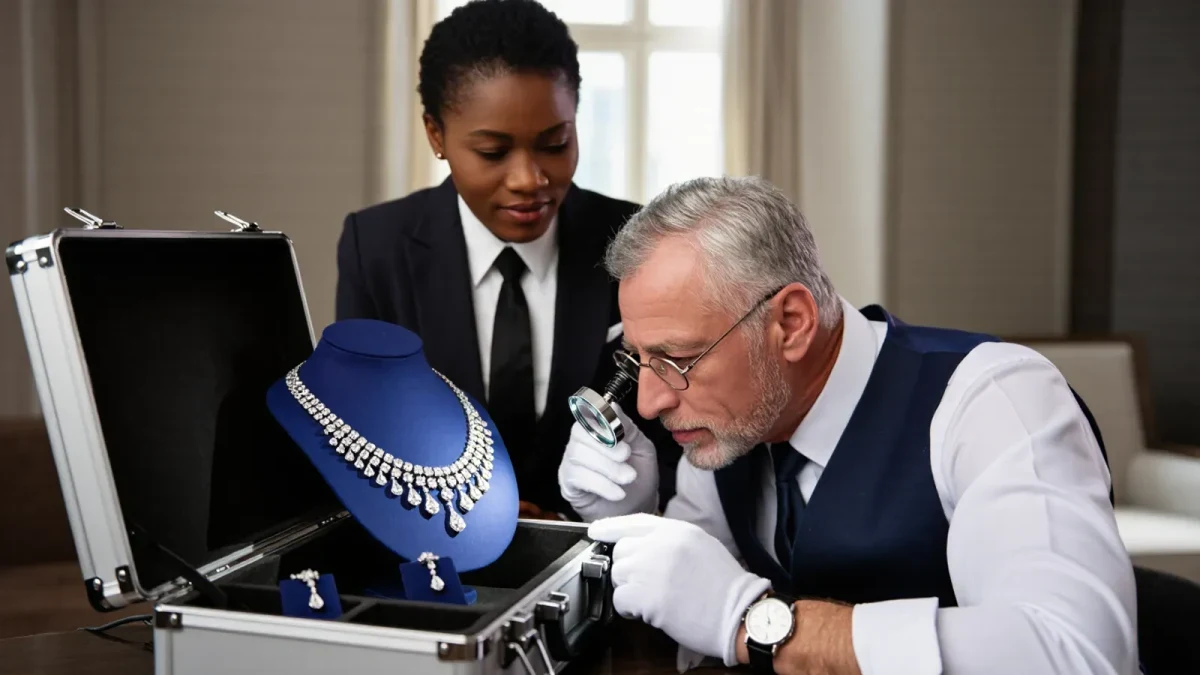
Everything short of a chaperone — and sometimes that too. Standard terms cover the fitting window, the approved hours of wear, the ban on alterations, transport in a house vehicle or specialized courier, on-site supervision by archive staff, and immediate return. Insurance runs under the house's fine-art-style policy, with the borrower named and liability caps set in writing.
The Monroe dress shows the terms in public form. Kardashian did not pay to wear it; Ripley's loaned it with handlers, no alterations during the publicized fitting, and a change into a replica after the photo line — conditions reported as they happened, per the Associated Press in 2022. Critics still debated conservation risk for months, which itself demonstrated why contracts are now so strict.
Does the star pay anything for an archive loan?
Almost never in cash, in the top tier. The currency is association: the house lends the object because the pairing is worth more than any fee. The star's side absorbs costs it would incur anyway — styling team, transport of people, security. What the star pays with is exclusivity: wearing a rival's logo-heavy look the same season can end the relationship before it starts.
In the middle tier, money does move. Vintage dealers and auction houses rent true collector pieces at daily rates, and some red-carpet vintage rentals run four or five figures a day, per trade reporting on the vintage rental market. That is a rental, not an archive loan — different contract, different insurance, no house handlers.
Why are houses lending more now than they used to?
Because the red carpet became a content archive of its own. A current-season gown competes with hundreds of others that week; a 1997 couture look competes with nothing and generates a second story about provenance. Houses noticed that heritage pulls outperform on engagement, and stylists noticed that archive access signals a client's status inside the house's hierarchy.
The resale and auction market reinforced it. Landmark fashion sales keep setting the idea that old clothes are appreciating assets — the Monroe dress's $4.81 million price in 2016, per Julien's Auctions, is the reference point every archive team knows. When the objects are worth millions, lending them is a board-level marketing decision.
What happens if something goes wrong?
Contracts assign it in advance: conservation costs, repair liabilities, declared values, and an agreed narrative if damage becomes public. Houses insist on condition reports before and after; wearers' teams sign off. For irreplaceable objects, some owners now require no-wear options — display, replica, photograph-only access — which is where the strictest loans end up.
The reputational clause is the real teeth. A damaged archive piece is a news story that outlives any campaign, and the house controls whether the client ever borrows again. That is why the wildest-looking carpet moments are, contractually, the most controlled.
How do museum loans differ from house loans?
Museums lend under a stricter rulebook that the houses partly borrowed. A costume exhibition loan runs on facility reports, climate-controlled crates, couriers and insurance certificates — the standard apparatus of art lending. The Metropolitan Museum of Art's Costume Institute, whose annual benefit is the most photographed fashion night of the year, sits at the center of that world, and its conservation norms have shaped how houses treat their own archives.
The difference is purpose. A museum lends to display; a house lends to advertise. That is why a museum piece generally is not worn at all, while a house archive piece can walk a carpet — once, briefly, under supervision, with a replica waiting in the car.
Is an archive loan ever a purchase?
Sometimes the loan is the preview for a deal. A star who repeatedly pulls from one house's archive is usually in ambassador or capsule-contract talks, and the archive access is part of the courtship. The loan is free; the arrangement it advertises is not.
In short: archives lend to lend their history. The garment goes out insured, chaperoned and unaltered, and comes back with the star's name added to its file — which was the point all along.