Those names scrolling at the end of a movie are not decoration. Each one is a real job with a real department behind it, and the credits are essentially a payroll manifest. A gaffer, a best boy and a key grip sound like vaudeville acts. They are the people who make the light work and the camera move.
Merriam-Webster defines one sense of "behind" as "in the background of the conditions" — which is a fair description of where most of a film crew operates, according to Merriam-Webster. This piece pulls those background jobs into the foreground, department by department, so the next end-credit crawl reads like a story instead of noise.
The framing here is the clinic's usual one: what the title says, what the person actually does, and why the role exists at all. Film production is a factory that reinvents itself every few months, and the org chart is the machine. This connects to our earlier piece, How Completion Bonds Protect Film Investors From a Broken Shoot.
Who runs the set once the cameras are ready?
The director decides what the audience sees. The assistant director decides when. The first assistant director — the 1st AD — turns the director's plan into a shooting schedule, runs the set on the day, and calls the roll that gets every scene started. If a set feels calm, that is the 1st AD's work. If it feels chaotic, that is too.
Under the 1st AD sit the second and second-second assistant directors, who wrangle actors, move background performers, and prepare the call sheets. The unit production manager sits adjacent, not above: that person manages the money on the ground, tracking whether the schedule is eating the budget faster than planned. The line producer, meanwhile, connects the set to the studio or financiers, and the green-light math that got the film made in the first place.
The production coordinator and the production office handle paperwork, travel, and the endless small logistics that keep a hundred people fed, insured and on time. None of these jobs appear in a frame. All of them decide whether a frame exists.
What does the camera department actually do?
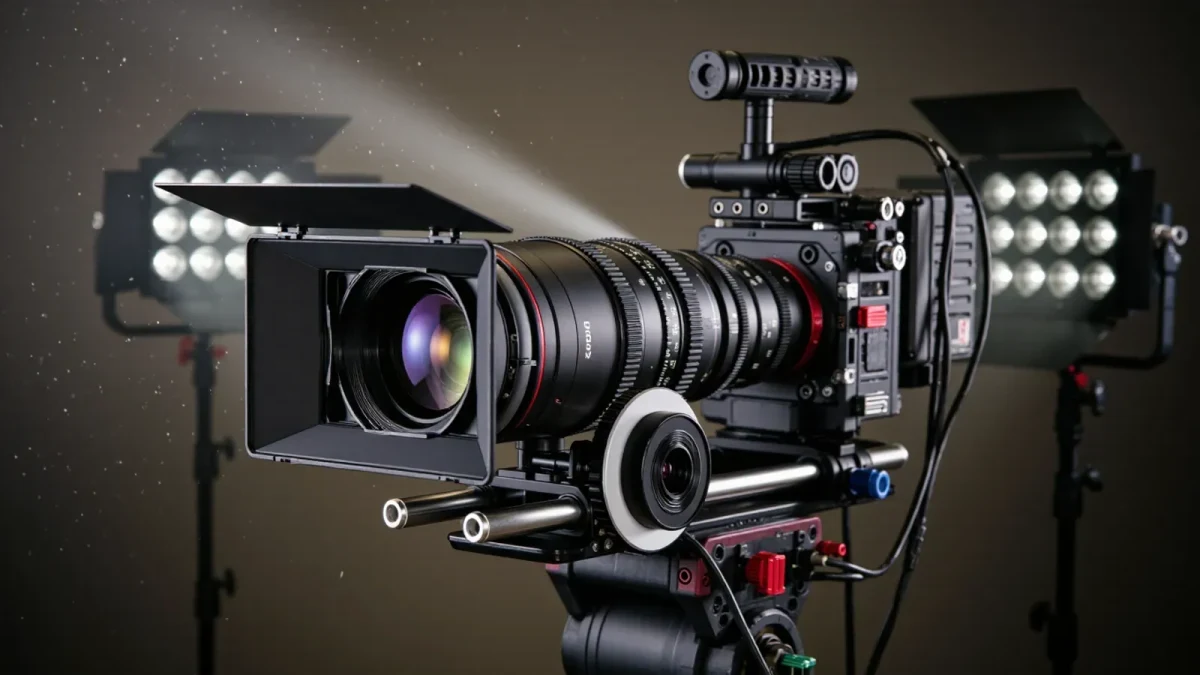
The director of photography, or DP, owns the image: lens choice, lighting design, and the visual grammar of the film. The camera operator frames the shot. The first assistant camera — the focus puller — keeps the image sharp, which on a moving scene is closer to juggling than to focusing. The second assistant camera handles the film magazines or data wrangling and slates each take.
A digital imaging technician, the DIT, manages the look and the data on digital shoots, guarding the files the way a lab once guarded negatives. The still photographer works alongside, capturing the images used for publicity later. It is a small department with a large shadow: every creative argument about how the film should look routes through the DP.
Why are there so many lighting and grip titles?
This is where the credits get dense, and where the vocabulary confuses everyone outside the business. The gaffer is the chief lighting technician — the head of the electrical department, executing the DP's lighting plan. The best boy electric is the gaffer's second-in-command, running the crew, the equipment inventory and the hiring. Despite the name, the job has nothing to do with anyone's relative; the title is old craft slang that stuck.
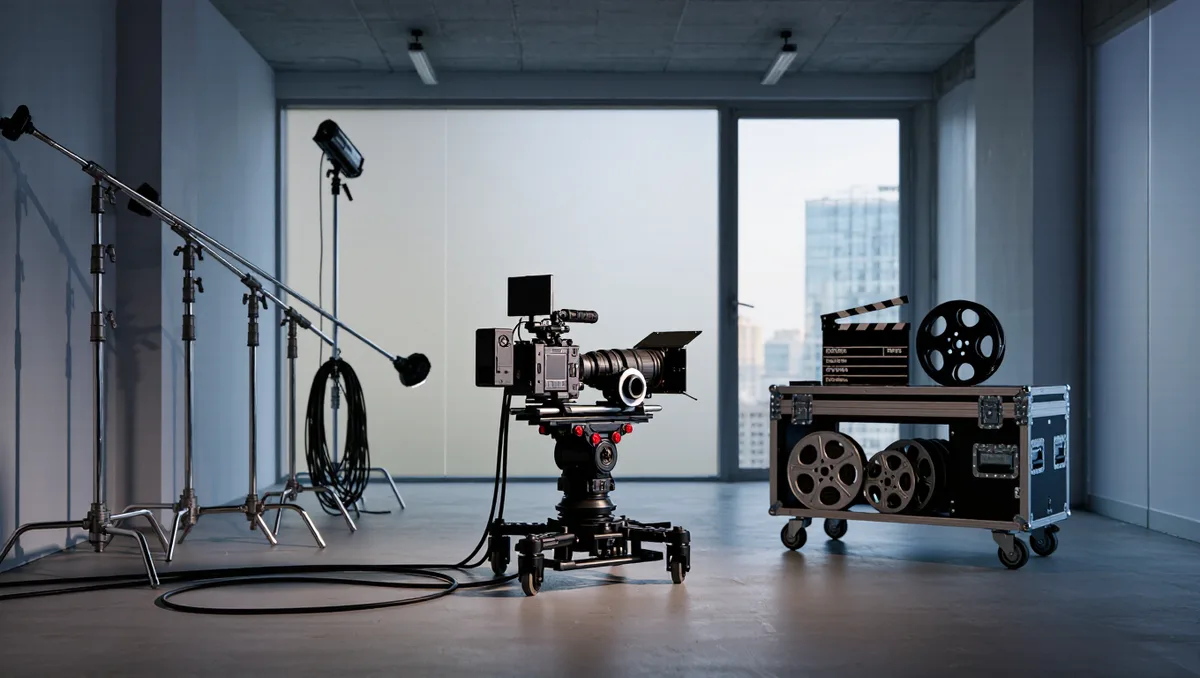
Grips are the muscle of movement and light-shaping. The key grip leads them: building the rigs that hold cameras, mounting lights on walls or cars, laying dolly track, and flagging or diffusing light that belongs to the grip department rather than the electric one. The best boy grip is the key grip's deputy. A dolly grip pushes the camera dolly on its track, and the smoothness of a slow push-in is literally in that person's arms.
The split between electrics and grips is a jurisdictional fact of film production: electricians handle anything that plugs in and glows; grips handle anything that holds, blocks or moves. A swing gang handles the rigging between setups. Sound has its own small kingdom — the production sound mixer, the boom operator, and the cable person — recording clean dialogue on the day, because fixing it later costs more.
Who builds the world the actors stand in?
The production designer conceives the film's physical look — sets, locations, the texture of every room. The art director executes that vision day to day, and set decorators dress the sets with everything from period wallpaper to the specific coffee mug on the counter. Set builders, painters and scenic artists make it real; property masters source and maintain the props actors touch.
Costume designers and their teams dress the cast; hair and makeup departments maintain continuity, so a character's appearance matches take to take. The script supervisor — sometimes still called continuity — logs every take's details, protecting the edit from mismatched eyelines, drinks and cigarette lengths. Locations managers find and secure the real-world places, negotiating with the owners and the neighborhood.
Stunts, special effects, and the second unit — a separate crew shooting action or inserts — each carry their own hierarchies. The point is structural: film production is not one team but a federation of trades, each with its own lead reporting upward to the producer and director.
What this means when you read the credits
Our analysis: the credit crawl is best read as a map of money and authority. Titles beginning with "key," "chief" or "head" mark department leadership. "Best boy" titles mark the deputy who manages crew and gear. "Assistant" titles mark the apprenticeship ladder the whole industry runs on — most department heads climbed it.
It also explains cost. Every named role is a wage, a vehicle and a kit, which is a large part of why negative cost runs so high; the line-by-line breakdown of where that money goes is covered in Why Movies Cost $200 Million: Negative Cost Explained Line by Line. A shoot that runs long does not just burn days — it burns every department's overtime simultaneously, which is why completion bonds exist to protect investors when a production slips. Readers following this should also see Why Movies Cost $200 Million: Negative Cost Explained Line by Line.
And the credits carry a quiet labor signal. Crew lists reflect union contracts, hiring halls and regional incentive programs that shape where films shoot. The next time a crawl runs three minutes, the useful read is not trivia. It is a snapshot of a temporary factory: who was hired, in what order of command, and who answered to whom.
Why the credits exist at all
Credits began as contractual obligations and guild requirements, and they remain both. Guilds and unions negotiate screen credit for their members, which is why certain titles appear in a fixed order near the top while hundreds of others scroll later. The crawl is a record of who performed the work, and for many crew members it is the only public proof of a career.
So treat the end credits as the film's real cast list. The actors get the poster. The gaffer got the light right.