Negative cost is the total cost of producing a finished film — every dollar from first draft to final delivered cut, before marketing. It crosses $200 million when three components stack: eight-figure above-the-line talent deals, effects-heavy below-the-line production, and long post-production schedules running parallel with thousands of effects shots. Avengers: Endgame carried a reported budget near $356 million, per Disney's UK production accounts made public in 2019-2020 reporting; Pirates of the Caribbean: On Stranger Tides was documented at roughly $378.5 million in UK production accounts surfaced in 2014 — still among the most expensive films ever made.
The term itself is an accounting relic: the 'negative' was once the physical master print, and everything spent to create it became the film's capitalized cost. The name stayed; the number grew.
What Sits Above the Line?
Above-the-line is story, cast, producer and director — the rights and the people, contracted before production. A tentpole's AT/L stack includes rights acquisition for source material, producer fees and overhead, the director's fee, and principal cast salaries and participation. Studio-era $20 million quotes for a single star became $50-million-plus packages when franchise ladders and backend points compound across a cast of returning leads.
The participation drag compounds quietly. Gross points paid to talent are, economically, a percentage revenue share the studio grants to reduce fixed cost — which raises the effective cost of every ticket sold, not just the initial budget. A film with heavy first-dollar gross commitments behaves financially like a partnership, and the negative cost understates it.
Development is the forgotten line. Writers' rooms, rewrites, options renewed for years, executives shepherding projects through turnover — studios carry dozens of developing titles for every one greenlit, and the carried cost lands on the slate, amortized into the films that actually get made. The $200 million movie paid for its nine dead siblings.
What Sits Below the Line?
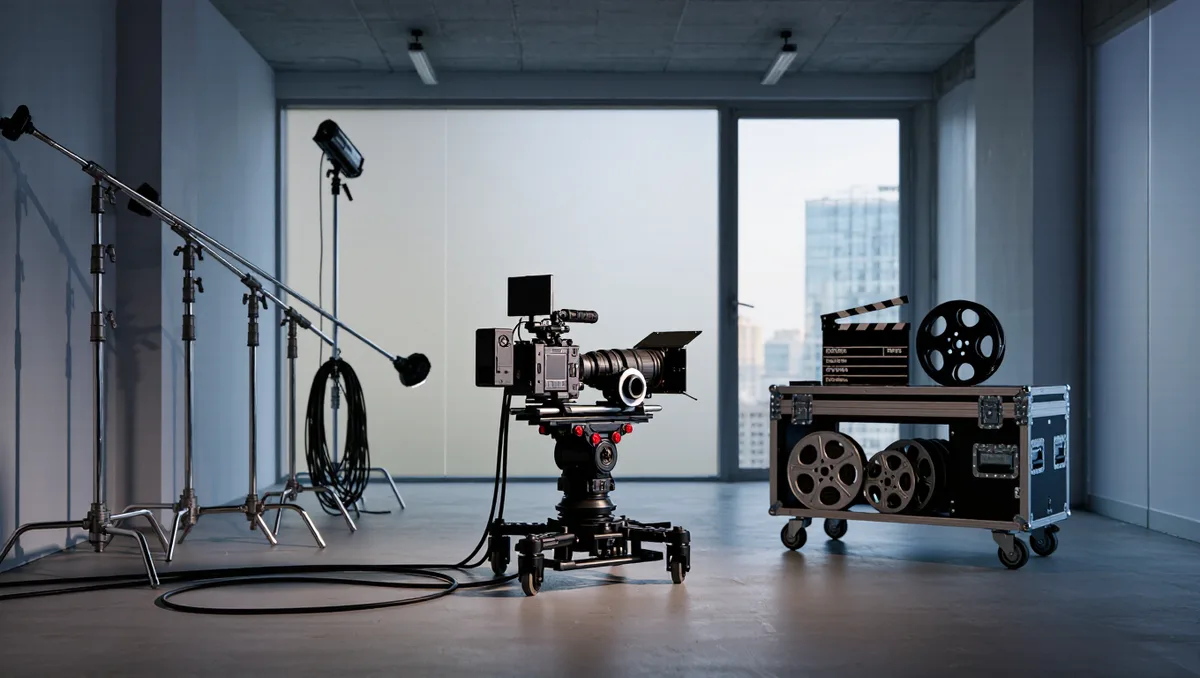
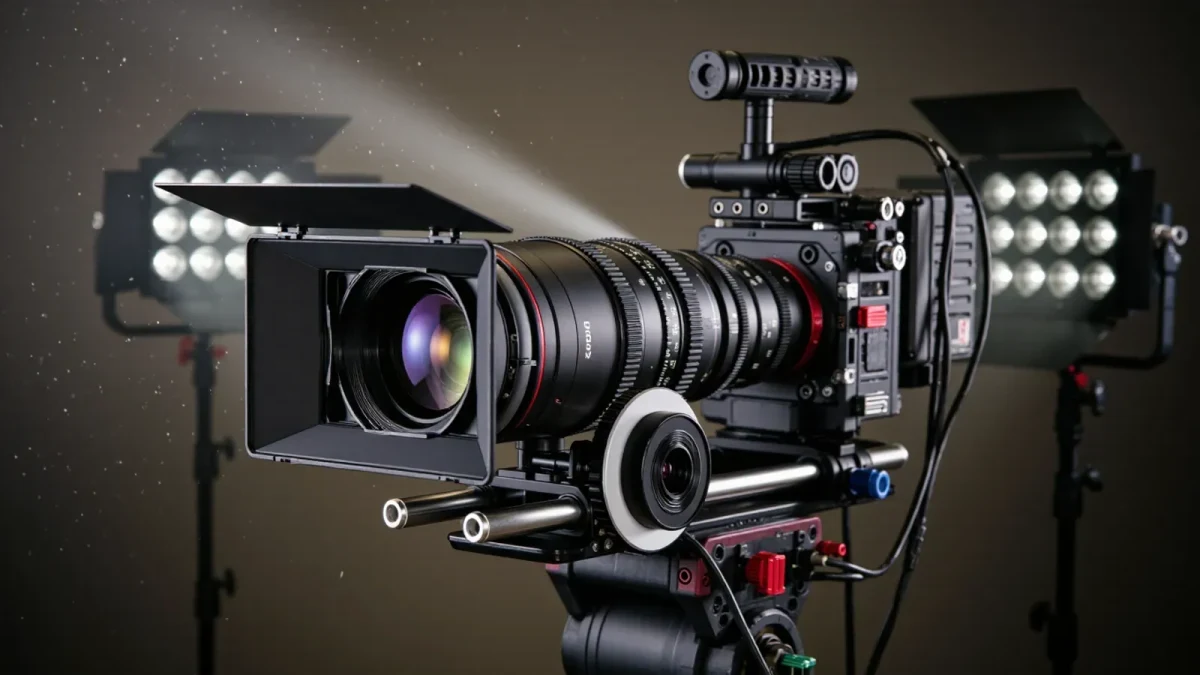
Everything physical and technical: crew salaries, stages, sets, locations, costumes, camera, lighting, insurance, travel, and visual effects. Below-the-line scales with shooting days and complexity — a 90-day multi-territory shoot with unit work costs multiples of a 35-day single-city schedule, and tentpoles choose the former deliberately.
Visual effects are the modern budget's center of gravity. An effects-driven film can carry thousands of shots across multiple vendors on three continents, each shot priced by complexity, and the work runs for a year or more in parallel with editorial — a second production occurring inside the first. Franchise pictures have reported effects budgets alone exceeding the entire negative cost of mid-budget dramas, per trade reporting on tentpole cost structures.
Stage scarcity and incentives shape the geography. Production migrated to incentive-rich territories with deep crew bases, and certified soundstage space in hubs like Atlanta, London and Sydney books out in advance — location, tax and schedule decisions interact, each with its own price. A $200 million negative often reflects a year of calendar arbitrage as much as spectacle.
Cast availability prices like a commodity spike. A franchise ensemble must reunite within windows dictated by half a dozen schedules, and each installment's success raises every member's quote simultaneously — the tentpole's own hit record is a cost driver. Studios lock options early precisely because the price of the same faces next year is a function of this year's gross.
Why Do Budgets Keep Rising?
Because the competitive equilibrium demands spectacle, and spectacle compounds. Tentpoles compete globally on screen scale that streaming cannot replicate; each franchise installment raises audience expectations; each expectation raises the effects bar, the shooting days, and the cast's leverage simultaneously. Costs ratchet upward together, and no studio can unilaterally stop racing.
Counter-pressure exists but never wins for long. Producers shave shooting days, relocate for rebates, cap participations with bonus structures, and schedule around weather windows — genuine savings, consistently absorbed by the next escalation. COVID-era protocols temporarily added a reported several-million-dollar surcharge per production, per trade reporting at the time — a cost category that later receded while the underlying trajectory resumed.
Inflation in crew rates and materials is real but secondary; the primary driver is scope ambition. Films cost $200 million because studios keep choosing, film by film, to buy the version with more: more days, more vendors, more cast, more scale. The number is not weather. It is procurement.
Reshoots deserve their own asterisk. Additional photography is standard on tentpoles and priced separately from the original schedule, but when it recurs — a release moved, a third act re-conceived, a franchise recalibrated — the costs compound with idle vendor capacity and cast availability premiums. The most expensive scenes ever shot are frequently the second versions.
What Is Not in Negative Cost?
Marketing — P&A is booked by the distributor as a separate, recoupable expense, commonly rivaling half or more of negative cost on a wide release. Also excluded: the studio's distribution fee, interest and overhead charged in participation accounting, residuals accrued for later windows, and localization. A film's true all-in economic footprint exceeds the headline production figure by a wide margin, which is precisely why breakeven math on a $200 million film points to roughly double that in worldwide gross.
The exhibitor split drives that arithmetic. Theaters retain roughly half of box office — varying by market and film — so a $200 million negative plus a comparable campaign needs a multiple of that in ticket sales before the studio sees recoupment. When trade coverage cites $500-600 million breakeven targets for tentpoles, that is the waterfall talking, not pessimism.
Weather and contingency reveal the budget's hidden psychology. A contingency of roughly 10 percent is standard and bonding companies expect it, but tentpoles routinely burn it on reshoots that are really re-conceptions — additional photography scheduled deliberately, priced into the escalation. The line between an overrun and a plan is thinner than any green light committee admits in writing.
Genre is the exception that funds the rule. Horror in particular sustains a low-negative-cost, high-multiple economy — modest budgets, loyal audiences, franchise extension — which is why every studio now owns a genre label functioning as its cost-conscience laboratory. The $200 million picture and the $15 million scare machine are the same portfolio strategy expressed at opposite ends of the risk curve.
Can Negative Cost Come Back Down?
At the margins, and temporarily. Mid-budget production did partially revive in the streaming era, when platforms funded $30-60 million originals as subscription content; theatrical mid-budget drama remained the industry's endangered middle. Cost discipline reappears cyclically — after strikes, recessions, write-downs — and erodes the moment competition for scale resumes.
The structural answer is the one studios actually deploy: portfolio management. A slate of one $200 million bet, three mid-budget releases and a micro-budget genre film with franchise potential spreads the risk the budgets create — Blumhouse's micro-budget model existing precisely as the hedge against its parent studio's tentpoles. The $200 million film is not an accident of spending; it is the visible tip of a deliberate risk architecture.