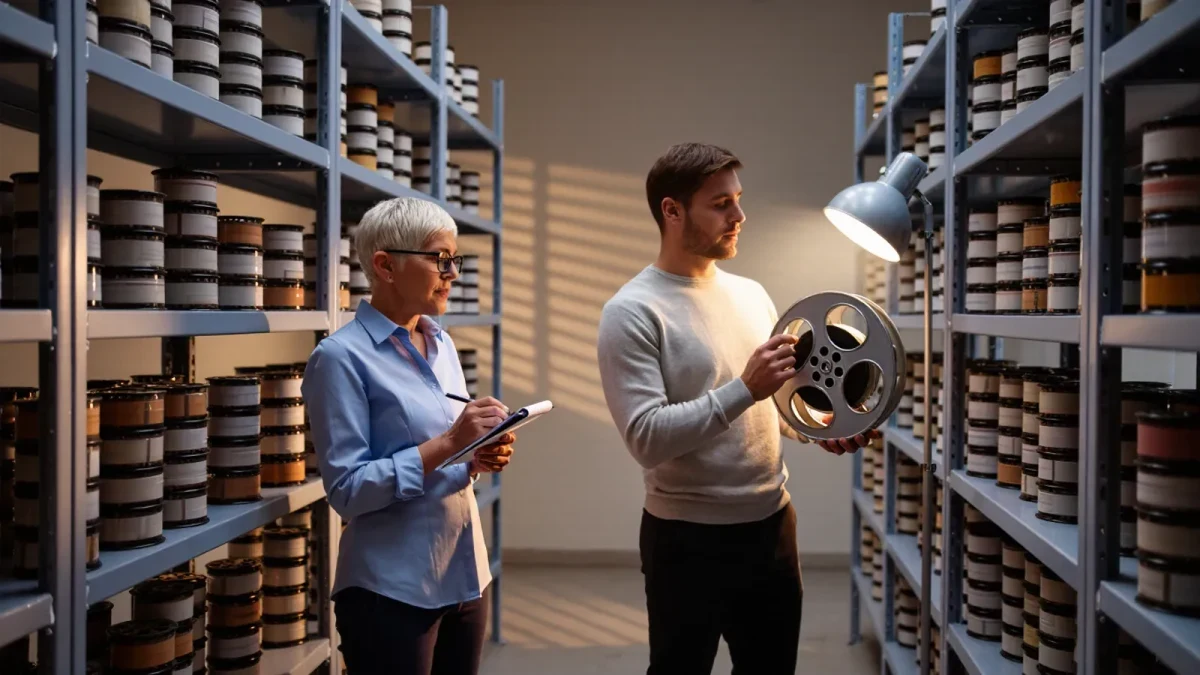
How Film Libraries Get Valued: The Multiples Behind Catalog Deals
A library is the only film asset that earns while everyone sleeps — and the arithmetic that values it is a multiple of steady cash, not a sum of famous titles.
Pictures followed from financing and rights through production spend to release strategy, including the recoupment order deciding who gets paid first.
A library is the only film asset that earns while everyone sleeps — and the arithmetic that values it is a multiple of steady cash, not a sum of famous titles.

When a film opens in theaters and on a platform the same day, its value stops being a ticket count and becomes a subscription argument — which is why the money moves sideways.
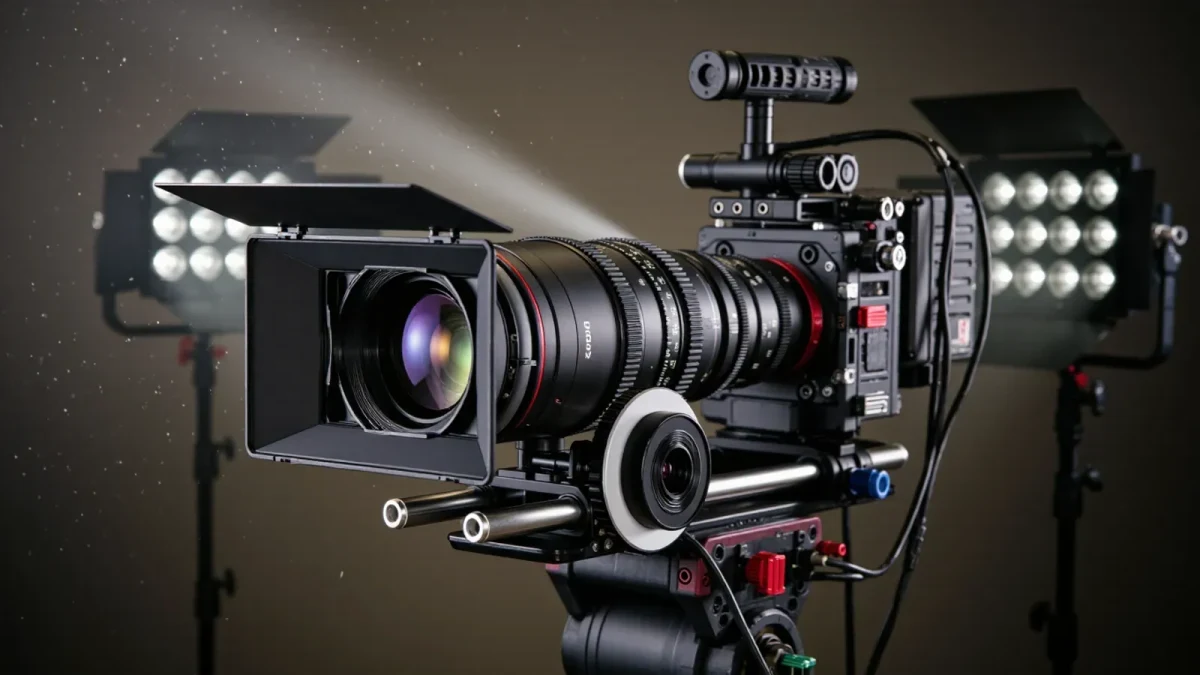
Negative cost is what a finished film costs before a single poster is printed — and the road from $5 million indie to $200 million tentpole is a series of deliberate, priced decisions.
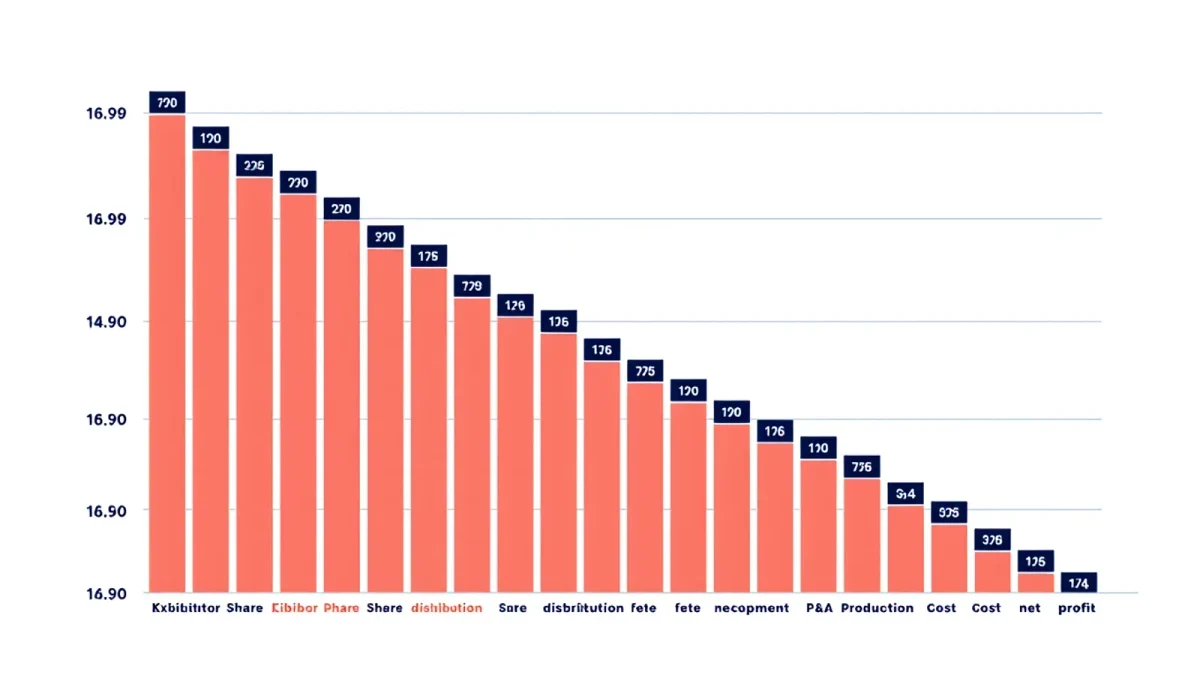
A point is a percentage of something — and in Hollywood contracts, defining the something is where a billion dollars of gross disappears before 'profit' arrives.

Prints and advertising can cost as much as the film itself — and for a studio tentpole, the marketing budget is a second production budget nobody puts in the trailer.
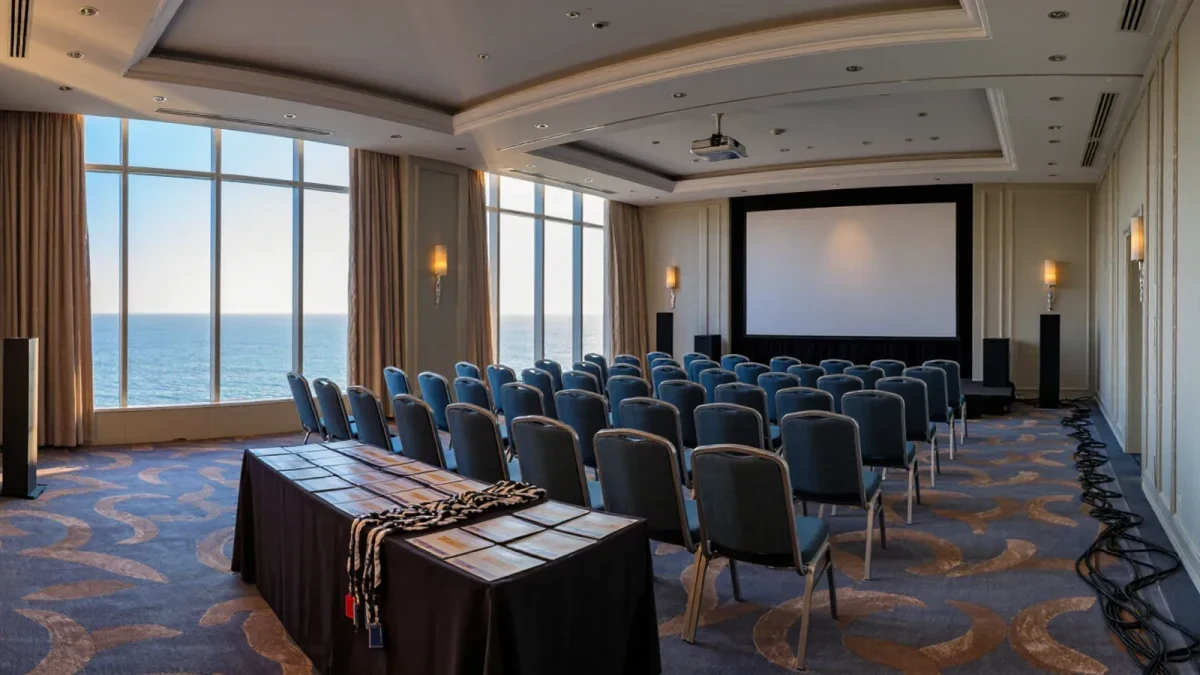
A film's international value is carved into country-sized pieces and auctioned in hotel suites at Cannes, Berlin and Los Angeles — each territory a separate price, contract and risk.