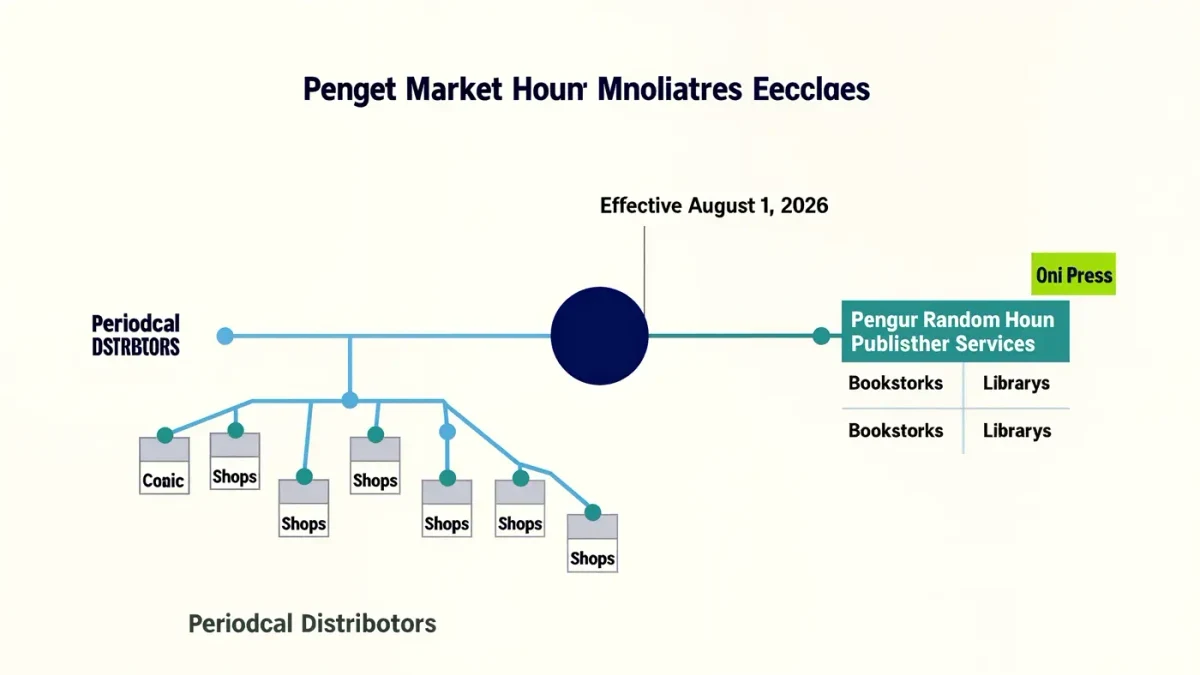
Distribution rights sell territory by territory because no single buyer will pay the world's best price for every country. A sales agent licenses the film — France to one distributor, Japan to another, Latin America in a block — for a minimum guarantee plus royalties in each market. The machine runs at the great markets: the Cannes Marché du Film drew more than 12,000 accredited participants, per the market's 2023 figures, and the American Film Market relocated to Las Vegas for its 2024 edition under organizer IFTA's new format, per IFTA's announcement.
Every territory sale is a small M&A deal: an advance against future receipts, a delivery schedule, a marketing commitment and a term of years, all wrapped in one contract.
What Exactly Is a Territory in Film Sales?
A territory is a defined slice of distribution geography — usually a country, sometimes a region bundled because no single buyer there overpays. Rights within it are further split by medium: theatrical, home entertainment, television, and streaming or SVOD, each licensable separately or bundled as all-rights. A distributor paying an all-rights minimum guarantee for Germany is buying every window; one paying for theatrical only is renting the loudest one.
Value per territory follows local economics: ticket pricing, piracy levels, the strength of the local exhibition chains, and genre taste. Action travels nearly everywhere; comedy notoriously does not, because jokes need subtitles the explosions do not. Cast matters asymmetrically — a star who opens in France and not in Spain is priced differently in each column of the sales agent's grid.
Windows and holdbacks are the plumbing. Contracts specify how long each right sits exclusive and in what order windows open, so a theatrical buyer is not undercut by a same-week streaming release in the same market. Day-and-date structures, where streaming and theatrical open together, compress the whole grid — and the prices with it.
What Is a Minimum Guarantee and How Does It Work?
A minimum guarantee, or MG, is a non-refundable advance against the distributor's share of future receipts in that territory. The distributor recovers the MG — and usually its marketing spend — off the top of its revenues; once the film crosses breakeven in that market, the producer's royalty begins. If it never crosses, the producer keeps the MG and the distributor owns its loss: risk was transferred at signature.
That transfer is the entire business. The producer monetizes uncertainty early at a discount; the distributor underwrites its own market knowledge to buy the upside. MG levels are set by comparable films — same genre, similar cast, recent performance — which is why sales agents guard their grids of past deals like currency traders guard positions.
Cross-collateralization is the clause producers fear. If one contract lets a distributor that bought two films pool the MGs and marketing across both, a hit subsidizes a flop before either pays a royalty. Single-picture, non-cross-collateralized deals are worth more per dollar of MG, and lawyers bill accordingly.
Where Do These Deals Actually Get Done?
In hotel suites and market booths, on schedules timed to festivals. Cannes in May is the flagship, with the Marché running alongside the festival; Berlin's European Film Market in February anchors the winter; the American Film Market — now staged in Las Vegas under IFTA's reorganization — bookends the autumn, per IFTA's announced format change for the 2024 edition. Festivals double as auction floors: a premiere with heat converts directly into territory pricing by breakfast.
The rhythm matters commercially. A film screening Tuesday at a festival closes France and Germany on Wednesday because momentum is perishable. Sales agents schedule premieres, reviews and territory meetings in one engineered sequence — the market is not a building, it is a deadline.
Finished films sell differently from packages. Pre-sales — territories licensed on script, cast and director, before production — finance the budget but price the risk; completed films at festivals price the heat. The spread between those two prices is the sales agent's whole argument for waiting.
Sanctions and geopolitics occasionally redraw the map itself. Territory definitions long treated certain regions as bundled or bankable; when a major territory's buyers exit the market or payment channels close, the grid loses a cell and every unsold territory's price adjusts to the missing demand. Maps look permanent on paper, but the money treats them as a living document.
How Did the Streaming Era Change Territory Sales?
Global buyers compressed the grid. A streamer with a worldwide footprint will often take global rights in one purchase, eliminating two dozen territory auctions — at a price reflecting the certainty. Producers gained liquidity and lost the tail: no territory can overperform when none was separately sold. The trade is volume pricing for upside.
Local streamers and territorial SVOD rights kept a market alive inside the shift. Most global platforms reserve exclusive worldwide windows for originals or flagship acquisitions, while mid-budget films still sell country by country — theatrical first in markets where cinema is durable, streaming first where it is not. The grid survived; the cells got uneven.
The clearest recent lesson in territory value remains Parasite: Neon acquired North American rights ahead of the film's 2019 festival run, and the film went on to win the Academy Award for Best Picture in 2020, per the Academy's announcement — a reminder that one territory, underpriced on submission, can carry a film into history.
Delivery is the sales agent's second job. Every contract specifies technical deliverables — the master, subtitles, artwork, music cues, publicity materials, QC certificates — and payment is conditioned on them arriving complete and on time. A film that screens brilliantly and delivers badly discovers that distributors withhold MG installments for missing assets as readily as for missing scenes; the delivery coordinator is as deal-critical as the salesperson.
Collections are the afterlife of every deal. Distributors report and remit on their own cycles, in their own currencies, under audit rights producers must police individually; the sales agent's delivery-and-collections function exists because trust does not scale across forty contracts. Many a profitable territory sale has died quietly inside a reporting schedule nobody enforced.
Who Gets Paid From a Territory Sale?
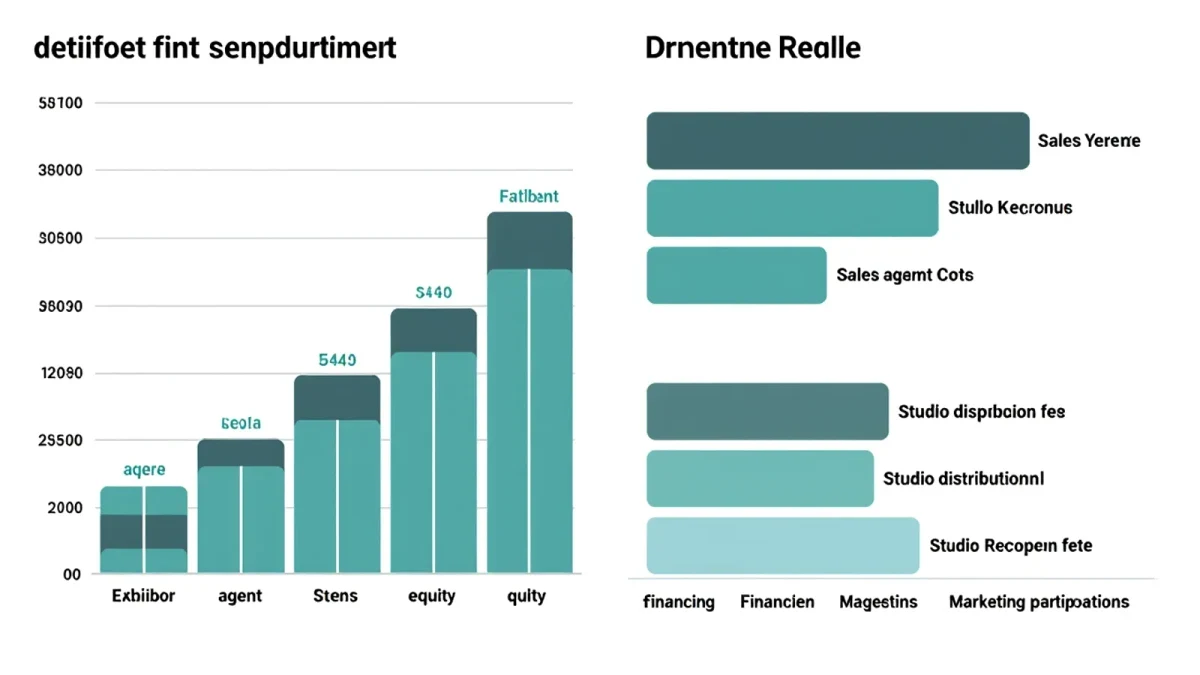
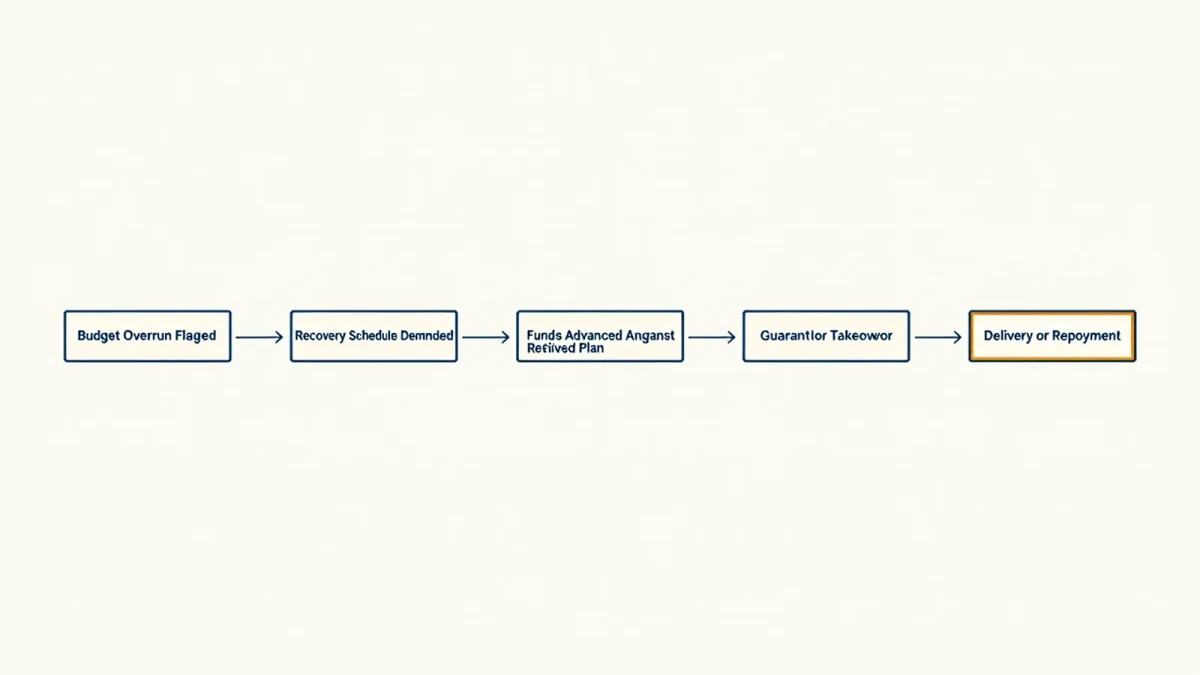
The waterfall, again. The sales agent deducts its commission and expenses; the bank that lent against presales is repaid; the completion guarantor's position is cleared; then the producer's waterfall — equity recoupment, deferrals, backend — runs on the remainder. A $2 million MG can deliver a producer well under $2 million of usable cash, and $0 of profit participation if the distributor's marketing spend sits ahead of the royalty.
The discipline for readers is simple: when a film 'sells out the world,' ask at what MG per territory, whether the deals cross-collateralize, and who sits between the gross and the producer. Territory sales are where a film's international fate is written — one contract, one country, one priced opinion at a time.