Backend points are contractual percentages of a film's revenue or profits paid to talent above the fixed fee. One 'point' means one percent — but one percent of what is the entire negotiation: gross receipts, adjusted gross, or net profit. Robert Downey Jr.'s Marvel backend made him the industry's highest-paid actor with estimated annual earnings of $75 million, per Forbes' 2014 Celebrity 100 — the payoff of gross points on a franchise, not a salary. Jack Nicholson's Batman backend was estimated near $60 million, per contemporaneous Forbes estimates, from a deal combining a reduced fee with merchandising and gross participation.
Fixed pay is guaranteed; backend is a bet on the accounting. Both sides know it, and every clause is a priced opinion about where the money will pool.
What Is the Difference Between Gross and Net Points?
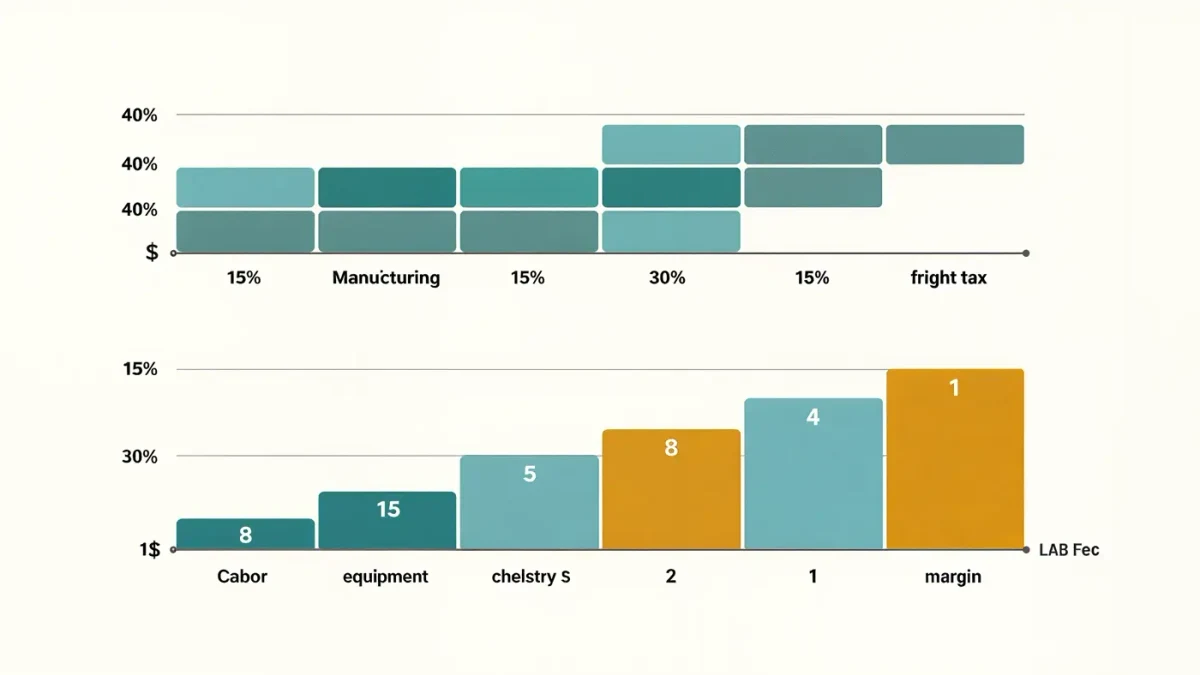
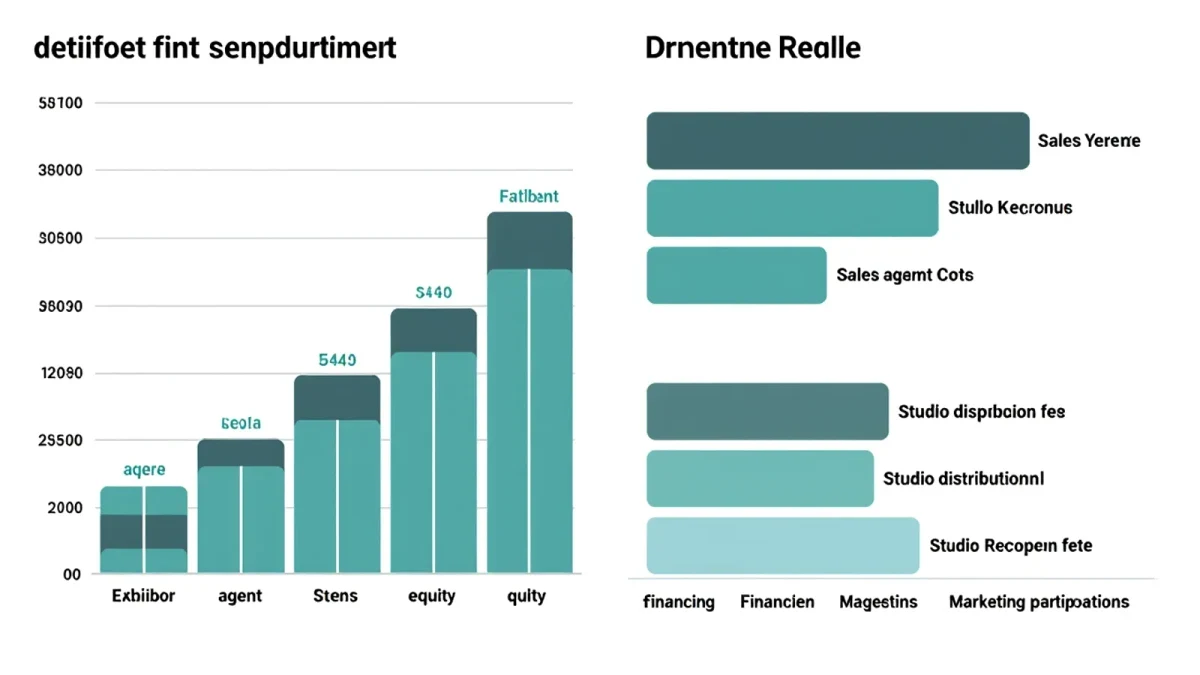
Gross points pay a percentage of revenue before most deductions — commonly defined off a film's gross receipts after only narrow allowances, with exhibitors' share already subtracted from the box office. Net profit points pay a percentage of what remains after the studio has recouped its costs and charged distribution fees and overheads. The historical record is blunt: net points rarely pay anything, a fact established in court when Art Buchwald prevailed against Paramount over Coming to America's profits in 1990, per the Los Angeles Superior Court ruling.
Between the poles lives adjusted gross — gross after defined off-the-tops: the distribution fee capped, marketing recoupment capped, production overhead excluded. Serious negotiations fight over definitions, not percentages, because five points of a clean adjusted gross can outearn twenty points of studio-defined net.
The mechanics of collection matter as much as the math. Participants deal with gross-royalty audits, participations statements that arrive quarterly and reconcile annually, and audit rights that must be exercised within contractual windows. Studios settle audit claims routinely; the settlements' confidentiality is why real backend numbers surface mostly in litigation or Forbes estimates.
Why Do Studios Give Actors Backend at All?
To buy down cash cost and share risk. A studio offering $10 million plus five adjusted-gross points instead of $25 million cash has conserved $15 million if the film disappoints and paid generously only if it overperforms. For the actor, backend converts star leverage — the demonstrated ability to open a film — into a claim on the upside that leverage creates.
The equilibrium moved over decades. The 1990s heyday of $20 million salaries and first-dollar gross gave way, after the 2007-2008 financial squeeze and the streaming shift, to lower fixed fees with richer upside for proven franchises. Streamers initially replaced backend with cost-plus premiums — paying a markup on salary in lieu of any participation — which simplified accounting and ended the audit fight, at the price of capping a hit's upside for the actor.
Backend is also a casting instrument. When a studio 'offers points instead of dollars,' it is asking the actor to co-underwrite the green light — which is why the offer carries information. Stars take cash for uncertainty and points for projects they believe they can carry.
Producers' points sit in a separate drawer. Writer-directors of independent films routinely take backend in lieu of full fees — the classic gamble of the 1990s indie era, when a hit could fund a career. Those points inherit all the definitional risk above, with one difference: the producer is also the client, so at least the enemy has a face.
What Are First-Dollar Gross Points?
The most valuable sentence in talent contracts: a percentage that begins with the first dollar of gross receipts, before the studio recoups its production or marketing costs. First-dollar gross pays out even on films that lose money overall — the studio is, in effect, paying a revenue share, and it prices that concession accordingly by cutting the fixed fee.
The name tier historically reserved for it tells the story: first-dollar gross was the province of the top handful of stars and marquee directors, and a studio granting it to anyone else was signaling fear or desperation. Trade reporting on the era's biggest deals — the $20 million-plus salaries with double-digit gross points — reads now like a catalogue of leverage at its historical peak.
Modern structures approximate the effect with shifted gross or bonus ladders: payments triggered at defined worldwide gross thresholds, which deliver first-dollar economics without ceding open-ended percentage rights. Bonus ladders also cap the studio's exposure — a ceiling disguised as a floor for the talent.
Residuals are backend's cousins and its cautionary tale. Guild-negotiated reuse payments were built on dated media definitions, and the shift to streaming left formulas computing pennies where syndication once paid houses — a grievance central to the 2023 strikes, per the guilds' stated bargaining issues. Participation economics never stay settled because the media they were written for never do.
How Do Streamers Handle Backend?
Mostly by abolishing it. Netflix built its originals model on cost-plus deals — paying premiums above fees and taking all rights — so no participation accounting exists for the films it fully funds; the company stated this structure publicly when explaining its talent deals during the 2020-2021 industry shutdowns. Amazon and Apple moved similarly for original acquisitions, though theatrical releases under their later strategies reopened the door to box-office bonuses.
The consequence is bifurcated backend. A theatrical franchise still generates nine-figure participations for its principals; a streaming-native hit generates a bonus check and a memory. Talent representatives now negotiate streaming bonus structures, escalators tied to awards and completion, and buyouts of future windows — a parallel system invented because the old percentages have nothing to attach to when revenue is a subscription.
Home entertainment historically hosted the most creative arithmetic: royalties computed on wholesale formulas from the VHS era, applied to streaming-era economics, with technology definitions lagging the platforms they described. Modern audit fights largely concern exactly these definitional lags — participations written for physical media and DVDs, strained over downloads and streams. The words in a twenty-year-old clause decide who gets paid this year.
How Can a Hit Film Show No Profit?
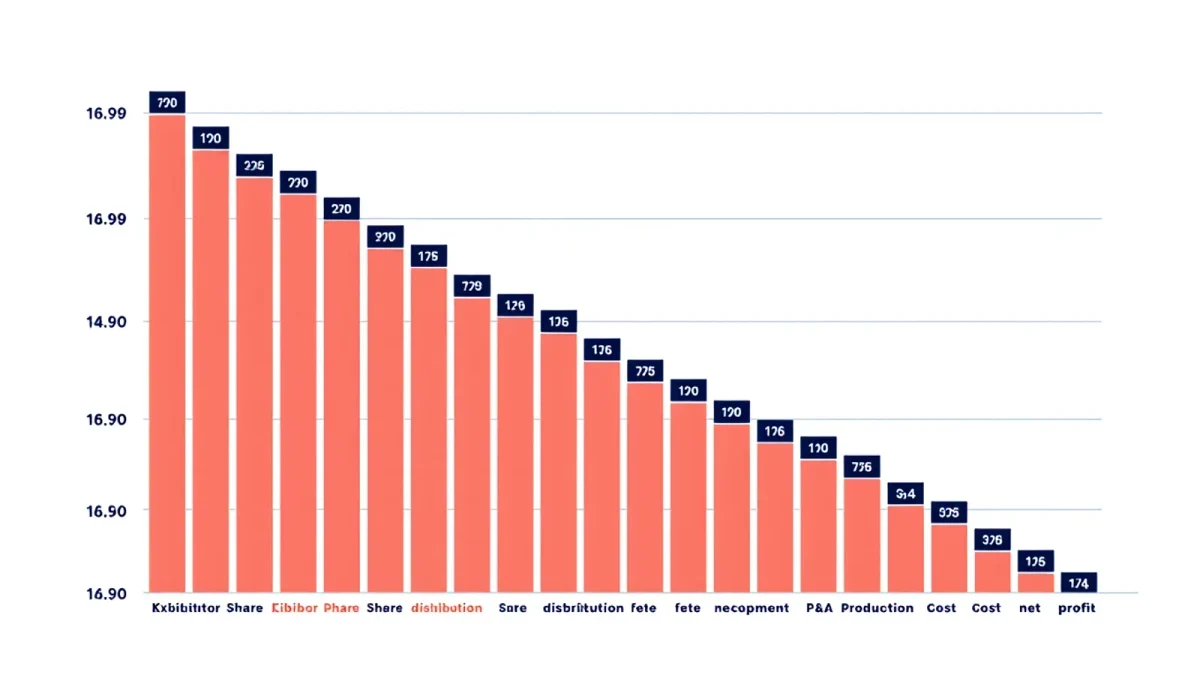
Through the definitions. Distribution fees charged at standard studio rates, marketing and prints recouped with interest or premiums, production overhead allocations, cross-collateralization across territories or titles, and home entertainment royalties computed at outmoded rates — each legally sanctioned clause diverts gross before the net line. Buchwald's Coming to America case demonstrated the machinery in public, per the 1990 court record, and the industry's response was better-drafted definitions, not repentance.
The clinic's summary for readers negotiating nothing but curiosity about everything: find out what the points are a percentage of, who deducts what before the pool, and whether the definition has ever actually paid anyone. In backend, the percentage is decoration; the definitions are the deal.