Celebrity stylist fees run from a few hundred dollars a day for emerging names to five figures a day at the very top of the market, per The Hollywood Reporter's trade reporting on styling rates in 2019. The same reporting put monthly retainers for A-list clients well into the tens of thousands. The money is real, but the structure behind it is what explains who gets rich and who works for exposure.
How stylist fees actually work is a question of three payment models: the day rate, the retainer and the press-tour package. Layer an agency commission on top, subtract the unpaid hours, and the economics of the glam business come into focus. This article publishes information about how the trade operates, not financial or career advice.
Who pays the stylist — the star or the studio?
Usually the client, but on campaign work it can be the studio. A stylist dressing an actor for a single event invoices the actor or their company. When the appearances promote a film or series, the studio's marketing or awards budget frequently picks up the tab, per The Hollywood Reporter's 2016 reporting on awards-season styling costs. That is why an actor's carpet wardrobe suddenly improves the month a movie opens.
The payer matters for another reason: studio money comes with studio notes. A stylist on a campaign budget is dressing to serve the film's marketing plan, not just the client's taste. Talent-funded work is freer and usually shorter — one premiere, one invoice, done.
What does a day rate actually cover?
A day rate buys one styled day, not the week of work around it. Pulling looks, fittings, alterations coordination, courier wrangling and return logistics are typically folded into that single figure, per The Hollywood Reporter's 2019 trade reporting on styling pay. Newer stylists charge a few hundred dollars a day; established celebrity stylists bill in the low thousands; the top of the market reaches five figures.
Overtime is where deals get written carefully. A premiere that starts at 6 p.m. is a normal working day. A press junket that runs twelve hours with three outfit changes is not, and contracts increasingly specify what happens after hour eight. Stylists who do not spell that out finance the overrun themselves.
Why do top stylists work on retainer?
Because a star's calendar does not come in tidy event-sized pieces. A monthly retainer — trade reporting has placed A-list retainers in the tens of thousands of dollars, per The Hollywood Reporter, 2019 — covers availability, ongoing pulls and the informal work: the emergency call before an airport walk, the idea texted at midnight. The retainer converts a stylist from vendor into infrastructure.
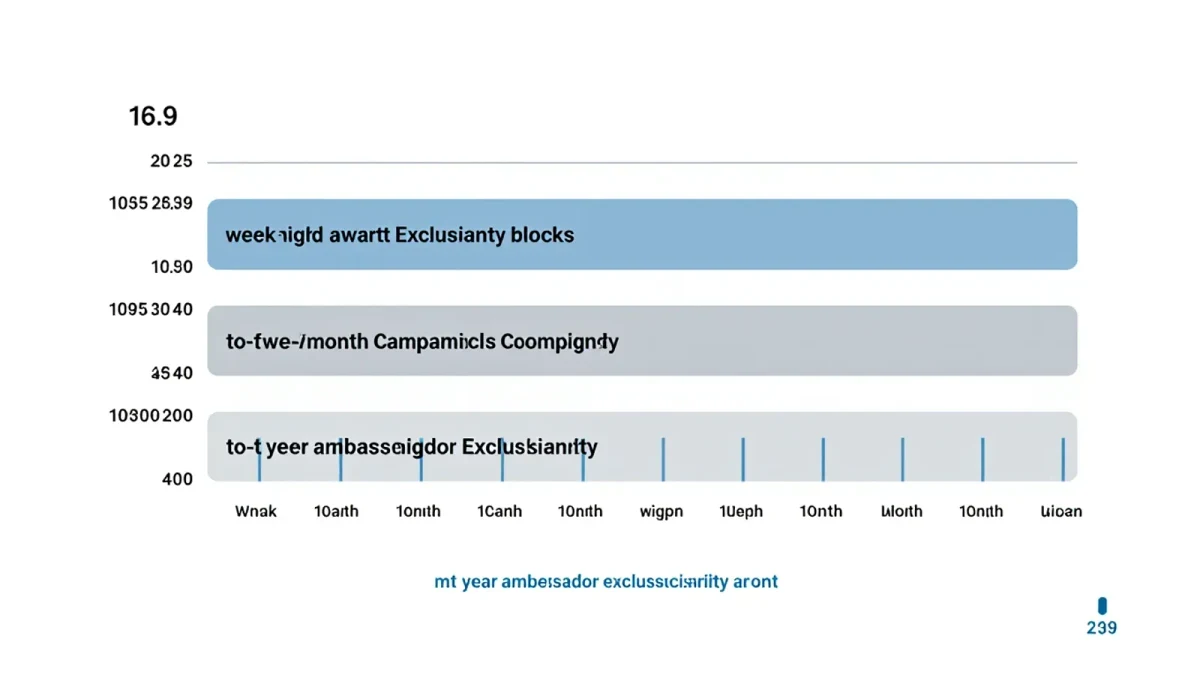
Retainers also buy exclusivity in practice. A stylist on retainer to one A-lister typically will not dress a direct rival, which is precisely what the client is paying for. The fee is partly for clothes, partly for the guarantee that a competing actress never calls first.
What comes out of the fee?
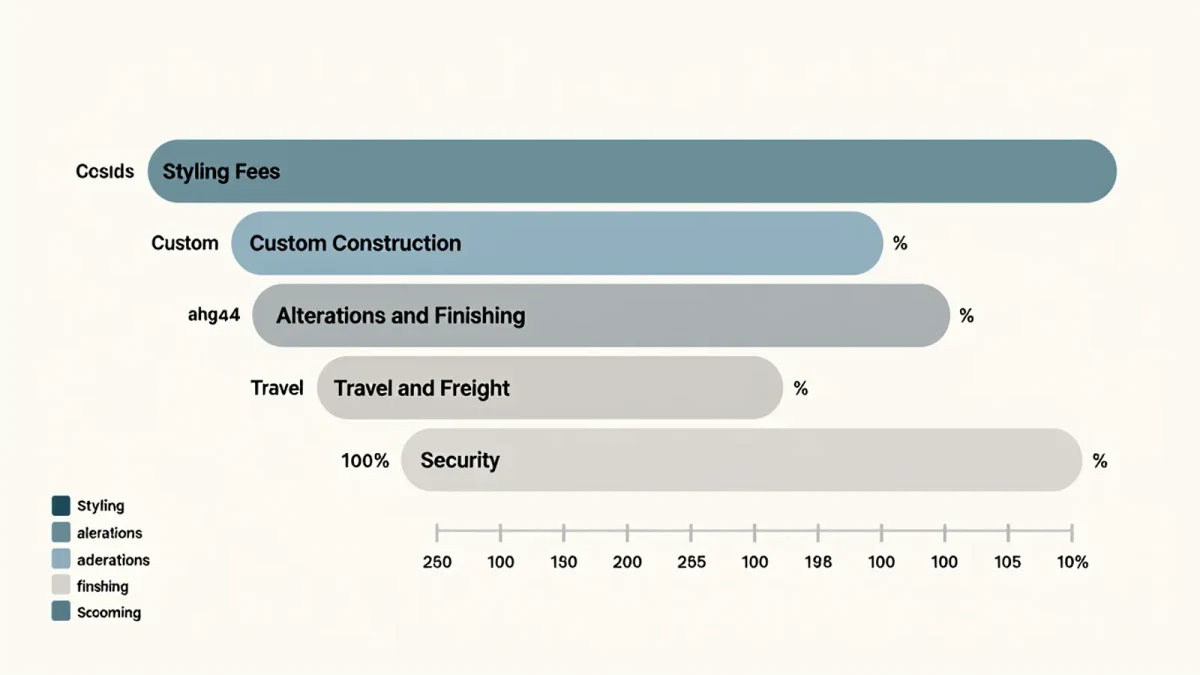
Agency commission, first. Stylists represented by agencies — the big fashion rep groups like The Wall Group, now part of WME — typically hand over a percentage of every booking, with industry commission levels around the standard talent-side range, per trade reporting on agency deals. Assistants come out of the remainder or bill separately. Then come the unreimbursed costs: transport, returns, dry cleaning, the courier who takes the gown back at 2 a.m.
The result is a business where a headline fee and take-home pay can differ by half. Veteran stylists negotiate expenses explicitly for exactly this reason; newcomers learn the gap the hard way.
How did the fee structure become a public fight?
In March 2023, Law Roach — the stylist behind Zendaya's most famous carpet moments — announced his retirement from celebrity styling in a public post, citing the business itself, before returning to client work, per his own announcement as covered by the Associated Press in 2023. The episode put fee structures, credit politics and the unpaid weight of the job on the record at the top of the market.
The episode landed because it confirmed what the rate cards imply: the visible reward concentrates at the very top, while the workload is shared down a chain of assistants and hair and makeup artists billing far less. Roach's exit lasted days, but the complaint stuck.
How do stylists get paid for magazine and campaign work?
Differently, and often worse. Editorial shoots for magazines pay standardized day rates set by the publication, historically modest, with some big-title shoots offering only clothes or credit. Advertising campaigns pay the best in the category because brands are buying a stylist's eye for their own media spend.
The mix explains the career ladder most stylists climb: editorial for the reel, celebrity clients for the retainer, brand campaigns for the profit. The celebrity work is the most visible and, hour for hour, not always the best paid.
What does a press-tour package look like?
A global film campaign is priced as a package, not a stack of day rates. One stylist, multiple cities, dozens of looks, customs paperwork and a tailor on call. Trade reporting on awards-season and campaign styling has put full-season costs for top clients in the six figures including fees, per The Hollywood Reporter, 2016. Studios pay it because the carpet is marketing inventory — the wardrobe is selling the film.
Packages are also where negotiation leverage shows. A stylist with a hit client can demand the package cover assistants, travel at parity with the publicist and a kill fee if the tour shrinks. A stylist without leverage absorbs all three as risk.
What do assistants and the wider glam team earn?
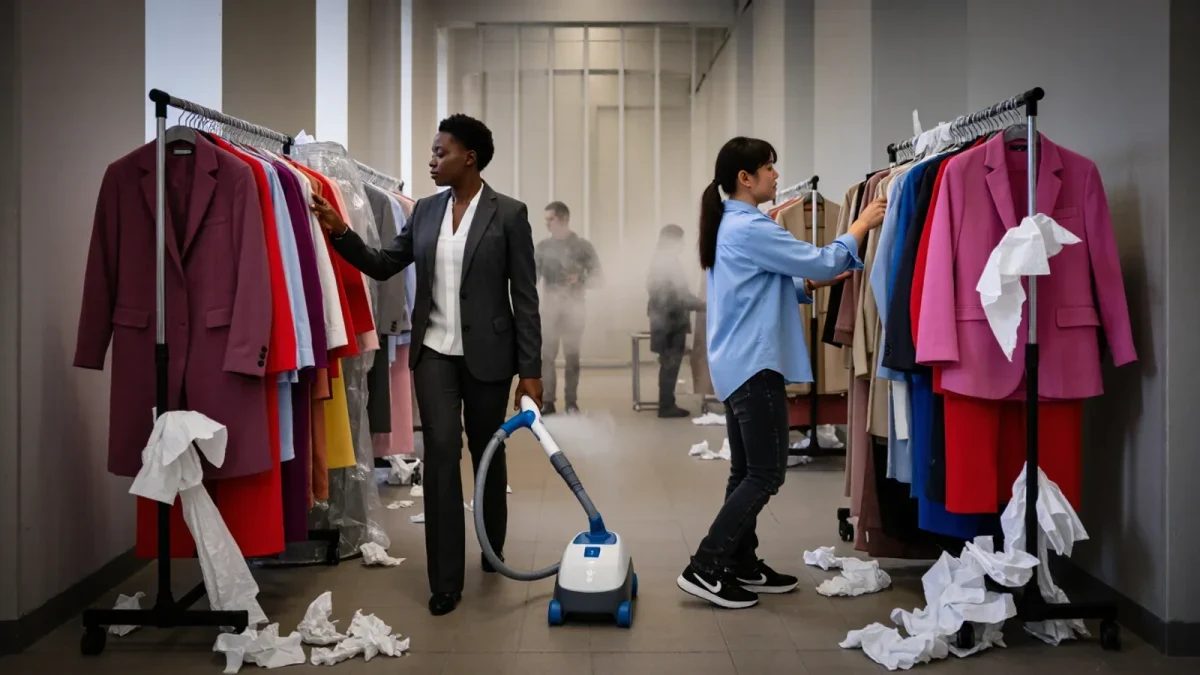
Beneath the named stylist sits a chain that bills a fraction of the headline rate. Assistants — the people who log returns, chase couriers and stand by with steamer and sewing kit — are typically paid flat day fees set by the stylist, sometimes in trade credit early on. Hair and makeup artists on the same carpet run their own rate cards, and their fees sit alongside, not inside, the styling invoice.
That separation surprises outsiders. One photograph on a carpet can represent four separate businesses — styling, hair, makeup, nails — each with its own invoice, its own assistant structure and its own agency relationships. The stylist coordinates the look; the stylist does not pay the team.
Where is the money going next?
Toward ownership. The stylists earning the most now take equity stakes or royalty positions in brands they help launch or amplify, following the broader celebrity-deal pattern where equity replaces flat fees. The day rate still exists, but it is becoming the entry ticket rather than the prize.
The fee structure, in short: day rates for events, retainers for careers, packages for campaigns, agency cuts off the top — and the real money increasingly in the upside.