Studios pick franchises over originals because familiarity is a financial instrument. A sequel walks into its opening weekend with an audience already bought and paid for by its predecessors, and every downstream revenue line — streaming windows, merchandise, park attractions — is priced off that head start. Inside Out 2, a sequel to a nine-year-old original, grossed roughly $1.69 billion worldwide in 2024, per Disney's announcement, while adult originals across the same period fought for break-even. The gap is not taste. It is arithmetic.
The clinic's diagnosis is not that executives prefer sequels artistically. It is that the modern cost structure — nine-figure production budgets plus nine-figure marketing — only clears reliably when part of the audience's decision to show up has already been made for them.
What Does a Franchise Actually Save a Studio?
Marketing efficiency, above all. Launching an original requires explaining the premise, the world, and the reason to care — three jobs an advertising campaign must do from zero. A franchise has already done the explaining; the campaign only needs to announce the date. Studio marketing commitments for wide releases can rival production budgets, per the majors' disclosures, so cutting the cost of persuasion per ticket sold is the single biggest lever in the model. Awareness is the most expensive thing a movie buys; a franchise arrives with it prepaid.
How Do Revenue Tails Differ Between Franchises and Originals?
Franchises compound across windows; originals mostly do not. A franchise film feeds park attractions, merchandise lines, spin-off series, and sequels — revenue streams that can out-earn the film itself, the loop Disney's Experiences segment demonstrates at roughly $9 billion of annual operating income in fiscal 2024, per the earnings release. An original hit can mint a franchise, but at greenlight the committee cannot bank on it. The model prices the franchise's tail; the original's tail is treated as a free option, worth roughly nothing in the vote.
Why Did Streaming Make Originals Even Harder to Justify?
Because streaming removed the measurement that justified mid-budget bets. In the theatrical era, an original adult drama could be greenlit with a defined P&A spend and a plausible break-even path — a bet with a knowable outcome in six weeks. A streaming original has no box office: its value is a retention-model estimate nobody outside the company can audit, and inside the company, those estimates fell hardest when subscriber growth slowed. The mid-budget original migrated to streamers and shrank there too, a shift visible across every major slate announcement since 2022.
What Does the Box Office Data Show Year After Year?
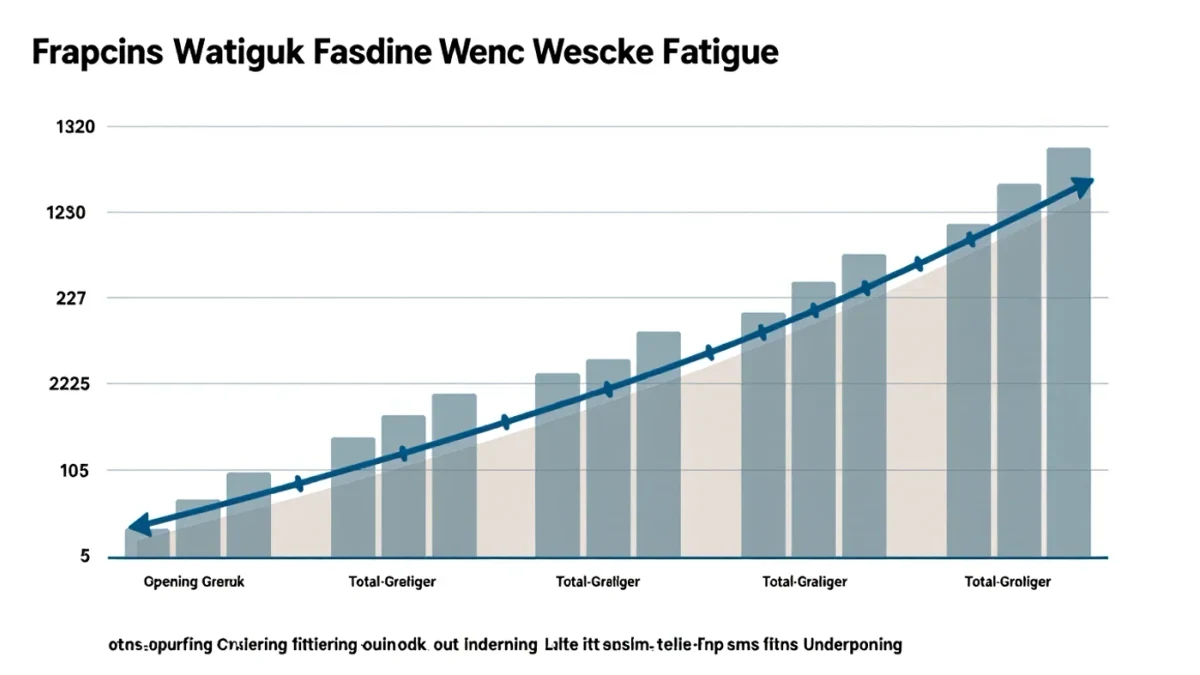
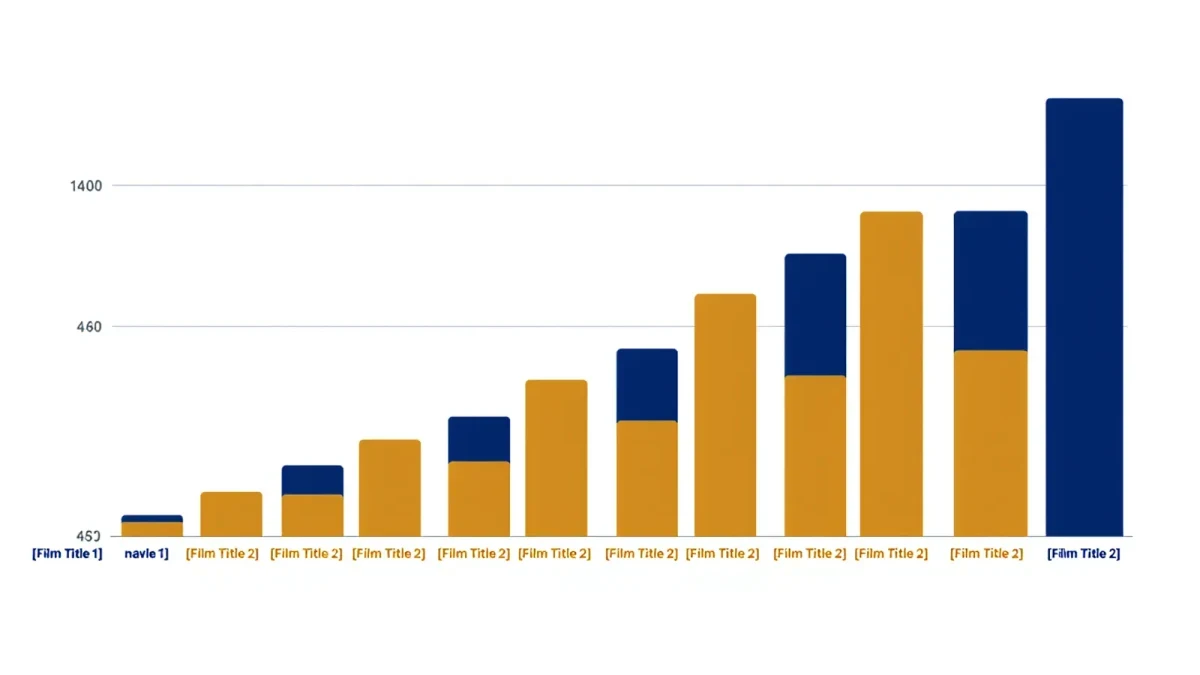
That the top of the chart is a sequel contest. Inside Out 2 led 2024 with roughly $1.69 billion worldwide, per Disney, and the year's top ten skewed overwhelmingly toward sequels, franchise entries, and established IP — a pattern that repeats annually across studio-reported grosses. The counterexamples exist, chiefly horror originals and animation, the two genres where low-to-mid budgets let familiarity matter less. But the pattern's persistence across a decade of charts is why the pattern is policy rather than accident.
Don't Franchises Fatigue and Fail Expensively?
They do, and expensively is the operative word — franchise failure is a bigger-dollar miss than original failure. The mitigation is also arithmetic: franchises fail at a lower rate per dollar of marketing because the floor — the loyal base that shows up regardless — absorbs part of any stumble. And a franchise that underperforms theatrically can still feed the parks and merchandise loops. An original that underperforms simply vanishes, taking its entire marketing spend with it. Studios accept the bigger downside for the higher hit rate and the salvageable parts.
Where Do Originals Still Get Made, and Why There?
Three refuges. Horror, where budgets are low enough that an original's opening weekend can clear the entire cost — the genre's break-even math has kept original risk-taking alive all decade. Animation, where original worlds can be franchise candidates with longer tails. And prestige fourth-quarter releases, greenlit small and aimed at awards, whose value includes the marketing sheen a statuette lends the wider brand. These are niches where the original's risk is capped by structure, not by courage.
What Happens to the Mid-Budget Original, Practically?
It gets re-anchored or it dies. Studios take original scripts and attach franchise elements — a star's established persona, a known producer's brand, a premise echoing a proven title — until the model's awareness assumption clears. What cannot be re-anchored moves to streaming with a smaller budget and no theatrical marketing commitment. The theatrical middle — the $40-70 million adult original that defined earlier eras — is the format streaming economics displaced most completely, as the majors' own slate counts across the 2020s demonstrate.
Is There Any Sign the Balance Shifts Back?
Cyclically, never structurally. When a run of franchise entries underdelivers in a single year, trade coverage rediscovers the word 'fatigue' and studios greenlight a corrective wave of originals — usually modest ones. Then a sequel outperforms, the models refresh upward, and the corrective wave thins. The equilibrium is not all-franchise; it is franchise-anchored slates with original experiments at the edges, funded by the margins the anchors provide. That is not a pathology. It is the business model, working as designed.
Every original is a question the audience has to be persuaded to answer. Every sequel is an audience already mid-sentence.
FAQ
Why do studios make so many sequels?
Because pre-sold audiences cut the risk that matters most: marketing efficiency. A franchise title arrives with awareness already paid for by its predecessors, and downstream tails — merchandise, parks, spin-offs — are priced at greenlight. Inside Out 2's roughly $1.69 billion global gross in 2024, per Disney, versus the struggle of adult originals that year, is the model in one comparison.
Do original movies still succeed at the box office?
Yes, mostly in horror and animation, where budgets are low enough that originals clear break-even quickly. Franchise-free hits in those genres recur every year across studio-reported grosses. Adult mid-budget originals remain the weakest theatrical category in the current structure.
What is franchise fatigue?
The observed decline when audiences stop showing up for later entries — a real and expensive risk, since franchise budgets are the industry's largest. Studios accept it because franchises fail less often per marketing dollar, and underperforming entries still feed parks and merchandise loops that originals never enter.
Why did mid-budget dramas disappear from theaters?
Streaming removed their measurable payoff. Theatrical mid-budget originals lived on definable break-even math; streaming values originals by unauditable retention models, and those estimates fell hardest when growth slowed. The format migrated to streamers at lower budgets, per the majors' slate counts through the 2020s.
Can an original become a franchise?
Yes — every franchise was an original once — and a genuine breakout is the highest-margin event in the business. But at greenlight, the hit rate is too low to model, so originals are treated as options rather than anchors, funded at the edges of franchise-led slates.