A greenlight decision is the moment a studio commits, in writing, to fund a movie's production budget — and at the major studios that commitment now routinely runs past $100 million per title before a single frame is shot. The decision is made by a small circle of executives, not one person, and it is a budget approval first and a creative judgment second. The paper trail ends in a greenlight memo that assigns the negative cost, the release window, and the marketing commitment.
The scale of the checks involved explains the caution. Amazon closed its $8.45 billion acquisition of MGM in March 2022, per the company's announcement, largely to buy a library and a franchise pipeline rather than to gamble on unproven originals. This piece explains how greenlight machinery works; it is information about industry practice, not investment advice.
What Does Greenlight Actually Mean in Studio Language?
Greenlight means the studio has approved the negative cost — the budget required to finish the film, excluding marketing — and authorized pre-production to start spending it. Everything before that point, development, is option money and writing fees that studios can walk away from cheaply. The greenlight converts a speculative script into a balance-sheet project with a code number, an approved budget cap, and an assigned release corridor. Once the light is green, cancelling costs real money, which is why studios slow-walk the decision for years on some projects.
Who Sits at the Table When a Movie Gets Greenlit?
The core committee is the studio chairman, the motion-picture group president, the head of production, the head of business affairs, and the finance chief who owns the budget model. Distribution and marketing chiefs join for the release-plan discussion, because they will be asked to commit the prints-and-advertising spend. At conglomerate-owned studios, a parent-company executive sometimes attends when the negative cost crosses a set threshold — the kind of escalation that turned Amazon's MGM output into a Seattle-level conversation after the 2022 close, per the company's own deal announcement. The director and producers pitch; they do not vote.
What Numbers Decide the Vote Before Taste Does?
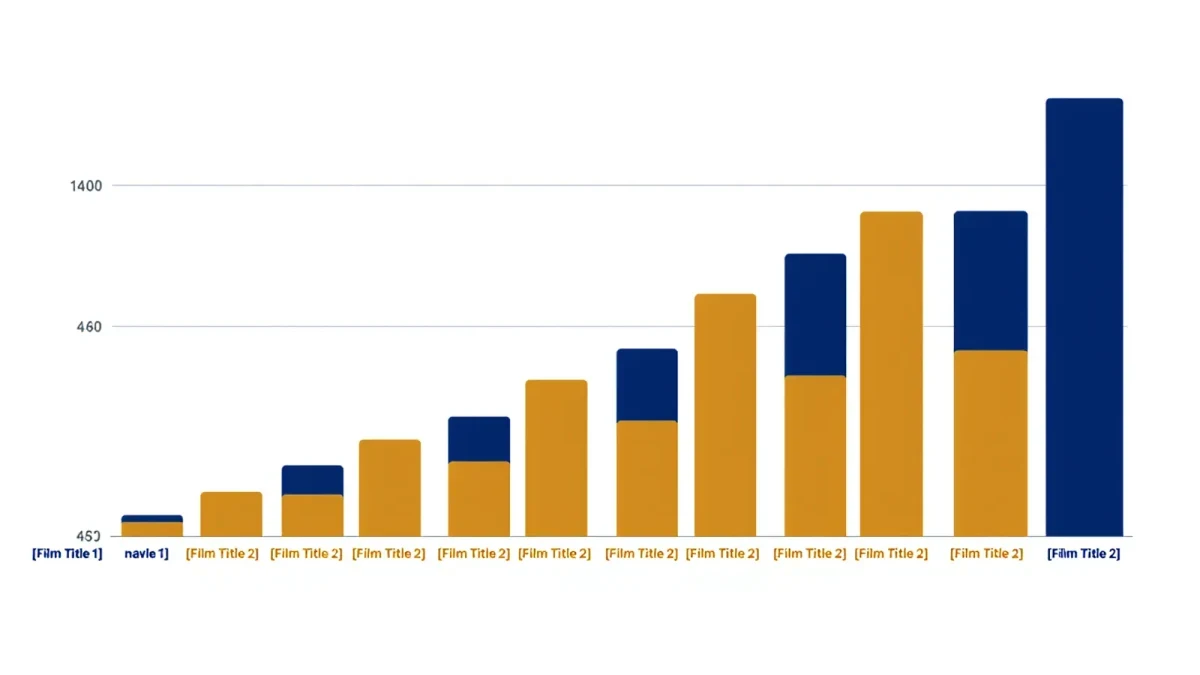
Three models dominate the room. The first is the comparable-title model: recent films of the same genre, rating, and cast level, with their production budgets and worldwide grosses laid out in a row. The second is the scenario model, which runs pessimistic, expected, and optimistic box-office cases against the budget to see whether the studio breaks even in each. The third is the ancillary model, estimating what the title earns after theatrical — licensing, home entertainment, and the value it adds to a streamer's shelf. A film that fails all three scenarios does not get saved by a great pitch.
Why Does the P&A Number Get Argued Before Production Starts?
Because a wide release can carry a marketing commitment approaching the size of the production budget itself, and the greenlight covers both in practice. Marketing executives must commit to a release strategy — platform versus wide, summer versus fall — before the film exists, since release-date inventory at the majors is booked a year or more ahead. A studio will happily greenlight a $40 million drama it intends to platform quietly and refuse a $120 million version of the same story, because the second film drags a global marketing spend behind it that the first does not.
Where Do Tax Incentives and Presales Fit Into the Decision?
Incentives are line items in the budget model, not afterthoughts. A production that qualifies for a rebate in a filming jurisdiction records the expected rebate as a financing element that reduces the studio's net exposure, sometimes by 20 to 30 percent of qualified spend, per the terms each jurisdiction publishes. Presales — territory-by-territory distribution deals sold before production — work the same way for independent films, converting foreign commitments into bankable budget coverage. The greenlight committee approves the net position: gross budget minus incentives, minus presales, minus any partner financing.
What Can Kill a Greenlight at the Last Minute?
Four things kill projects late. A comparable underperforms: the model refreshes, and the expected-case revenue line drops below the budget line. A partner withdraws: co-financing arrangements collapse when a hedge or a territorial partner walks. A date collision: another studio claims the corridor, and the release plan no longer clears. A rating dispute: the film the director promised and the film the model assumed diverge, most often on rating or runtime. Studio development slates are graveyards of projects that passed the creative vote and failed the arithmetic.
How Fast Can a Greenlight Actually Happen?
Weeks, when the package forces it. A bankable star, a locked script, a director with leverage, and a start date for a soundstage can compress the committee process into a single cycle, because every week of delay inflates the budget. The ordinary path is slower: a project can sit in development for three to five years, cycling through writers and casting scenarios, before the model finally clears. The industry joke — that development is where movies go to be developed indefinitely — survives because the math, not the joke, is what delays the light.
What Happens the Day After the Light Turns Green?
The business-affairs team paper deals that were negotiated as conditional: the director's agreement, the cast's pay-or-play contracts, the below-the-line crew. Pay-or-play is the mechanism that makes late cancellations expensive, because the studio owes the fees whether or not the film shoots. Production finance opens the title's account, the completion-guarantor conversation starts if outside money is involved, and the incentive jurisdiction's application is filed. The greenlight memo becomes the reference document every subsequent cost report is measured against.
The greenlight is where the studio stops being a tastemaker and starts being a counterparty: from that day, every creative argument is also a budget argument.
FAQ
Who has final say on a greenlight at a major studio?
The studio chairman or motion-picture group president holds final approval, with parent-company escalation above set budget thresholds. Amazon's MGM decisions ultimately clear leadership at the parent level, a structure that dates to its 2022 acquisition close, per the company's announcement. The greenlight is a committee recommendation that one executive formally signs.
How much money is committed at greenlight?
The negative cost, which excludes marketing, plus the practical commitment to a release plan. Major-studio tentpoles routinely carry production budgets above $100 million per title, and the marketing plan can approach a similar scale. The greenlight memo fixes the cap the production must live under through every weekly cost report.
Is a greenlight ever reversed?
Rarely, and expensively. Because key cast and director contracts convert to pay-or-play at greenlight, a reversal still owes most of the fees. Studios more often pause projects before the formal light, keeping them in development limbo where the only sunk cost is the option and the writers' room.
Do streamers greenlight the same way studios do?
The committee structure is similar, but the models differ: streamers weigh a title's projected effect on retention and acquisition rather than opening-weekend gross. The budget cap discipline is looser at subscription-funded services, because there is no box-office break-even to clear — a shift trade coverage has documented since the streaming build-out began.
What is a conditional greenlight?
A commitment that binds only if stated conditions are met — a cast attachment, a budget reduction to a target, a partner joining. It lets the studio lock a release date and soundstage capacity while the model's remaining gaps close. Most greenlights carry at least minor conditions on final casting or incentive qualification.