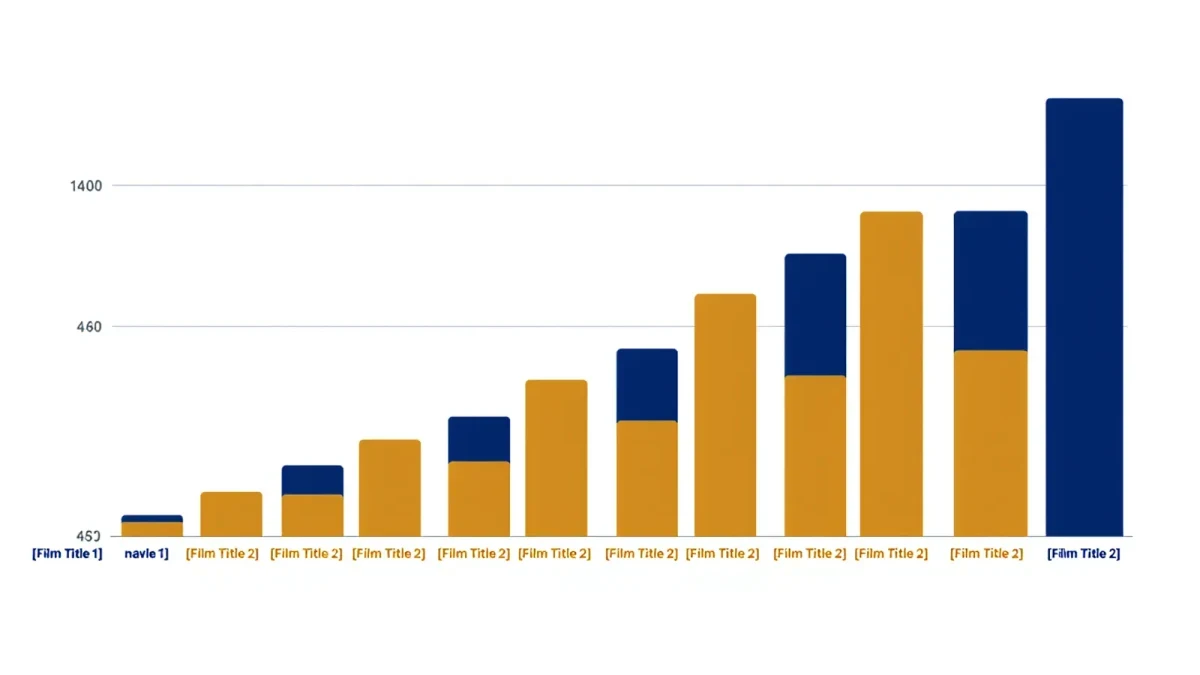
Theme parks subsidize studio slates through a loop the industry learned to love a lifetime ago: a film creates characters, the characters fill attractions, the attractions throw off cash that dwarfs the film's own economics, and the cash funds the next film. Disney's parks, experiences and consumer products segment generated $26.2 billion of revenue in fiscal 2019 alone, per its 10-K — more than twice the studio segment's $11.1 billion that year, per the same filing. The studio makes the IP; the park makes the margin.
The loop matters now more than ever, because theatrical windows shrank while gate attendance did not. As one trade maxim has it: the movie is the trailer, the park is the product. Universal pushed the same loop to a new scale with Epic Universe, the Orlando resort that opened in May 2025, per NBCUniversal's announcement.
Where Did the Parks-Film Loop Come From?
From Disneyland's opening in 1955 and, on the East Coast, from Walt Disney World's 1971 debut — assets built to monetize a character catalog beyond the box office. The strategic insight was licensing turned vertical: rather than rent characters to a carnival operator, own the venue. When Michael Eisner and Frank Wells expanded parks aggressively in the 1980s-90s, the company's own filings showed the pattern — parks revenue compounding past the studio's, with steadier margins. Universal copied the architecture in Orlando in 1990, and the two resorts have been the industry's twin cash registers since.
How Much of a Media Company's Profit Comes From Parks?
At Disney, frequently the majority of segment operating income in weak studio years. Fiscal 2024 told the story: the Experiences segment — parks, cruises, consumer products — produced roughly $9.3 billion of operating income on about $34 billion of revenue, per Disney's fiscal 2024 earnings release. Studio results swing with the slate; parks results swing with travel seasons. A finance chief staring at a dry release year is staring at the parks segment's line for comfort, which is exactly how slate risk gets absorbed.
How Does a Film Become a Ride, Financially?
Through an internal licensing-and-investment chain that never touches an outside counterparty. The studio owns the characters; the parks division licenses them internally for attraction development; capital expenditure builds the ride; the park books the attendance uplift. The company's own numbers make the payoff visible: lands built around single franchises have anchored attendance growth at Disney and Universal resorts for two decades, per the companies' park announcements and earnings commentary. The attraction also compounds the film — a generation that rides the ride streams the movie, which greenlights the sequel.
Why Do Parks Make Franchises More Bankable at Greenlight?
Because they extend a title's revenue tail past every theatrical window. A film that earns twice its budget theatrically and dies in six weeks is a bet; a film whose characters can anchor an attraction, a hotel wing, or a cruise day is an annuity. Greenlight committees price that optionality — franchise viability across parks and merchandise — into the expected-case model. It is a quiet reason the majors favor IP with physical, ride-able worlds over intimate originals, and quiet reasons are the load-bearing ones.
What Did Epic Universe Change About the Economics?
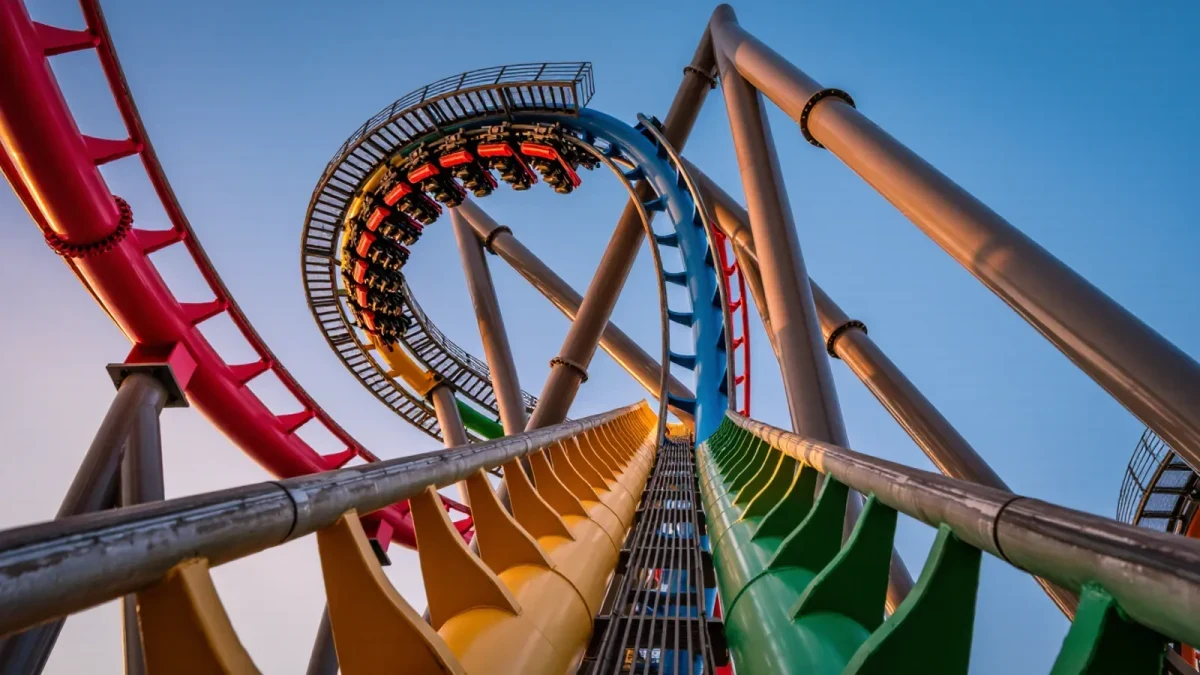
It re-armed Universal's Orlando resort after years as Disney's runner-up. Epic Universe opened in May 2025, per NBCUniversal's announcement, adding a third gated park with lands tied to franchise IP — and, with it, multi-day-trip economics: guests who stay an extra night in Orlando to see a third park spend across hotels, food, and tickets that all consolidate in the owner's books. Comcast's investor materials have long framed the parks business as a growth pillar for exactly this reason. Disney, notably, announced its own wave of park investment in response-era scale — roughly $60 billion of planned experiences investment over a decade, per Disney's 2023 announcement.
How Do Consumer Products and Merchandise Fit the Loop?
Merchandise is the loop's fastest-turning gear. Licensing revenue — toys, apparel, games — arrives with low incremental cost and hits consumer-products lines the same fiscal year the film releases. A tentpole that merchandises well can clear profitability across the wider enterprise even when theatrical alone disappoints, which is why merchandise potential appears in greenlight models as its own line. The toy aisle has saved more than one studio quarter, an honor no trailer can claim.
Can the Loop Run Backward — Parks Driving Films?
Constantly. Attractions have been adapted into films, franchise investments get scheduled around park openings — a studio will hold a sequel's release to synchronize with a land's debut — and characters proven at the turnstile earn sequel consideration even after soft theatrical. The gate is a second box office with a longer run. Companies increasingly treat a franchise as a single multi-platform asset with one owner and several windows, rather than a film that happens to have spin-offs.
What Are the Risks in Relying on Parks Cash?
Two big ones. Travel shocks: parks earnings fall with recessions, pandemics, and fuel prices — 2020's closures demonstrated how fast gate revenue can go to zero, per the operators' disclosures that year. Franchise decay: attractions amortized over decades need characters that stay relevant for decades, and the pipeline question — which of today's hits will still sell tickets in 2045 — is unanswerable at greenlight. The loop subsidizes slates beautifully, but it does not subsidize bad bets.
A tentpole opens for six weeks. The land it inspires sells churros for thirty years. That asymmetry is the modern studio's favorite subsidy.
FAQ
How much money do theme parks make compared to movies?
At Disney, parks have repeatedly out-earned the studio segment. Fiscal 2019 parks revenue hit $26.2 billion versus the studio's $11.1 billion, per the 10-K; fiscal 2024 Experiences operating income ran roughly $9.3 billion, per the earnings release. Parks are the steadier and often larger profit engine.
Do park attractions really fund film production?
Indirectly but decisively. Parks profits fund the corporate capital that greenlight committees draw on, and franchise viability across parks strengthens a title's expected-case model. A park-ready IP carries revenue tail options an intimate original simply does not.
What was Epic Universe's business impact?
It expanded Universal's Orlando resort by a third gated park, opened May 2025, per NBCUniversal's announcement — extending guest stays and consolidating more trip spending inside the resort. It also intensified the parks arms race with Disney's announced decade-scale, roughly $60 billion experiences investment, per Disney's 2023 announcement.
Why do studios prefer films that can become rides?
Ride-able worlds extend revenue for decades through attractions, hotels, and merchandise. A film's theatrical run is weeks; its land's run is a generation. That tail is priced into franchise greenlights — a quiet structural bias toward spectacle IP.
What happens to parks revenue in a downturn?
It falls fast, with attendance and per-guest spend both exposed to travel shocks. The 2020 closures took gate revenue to zero for months, per operator disclosures. Parks diversify a studio's year-to-year slate risk, not the enterprise's macro risk.