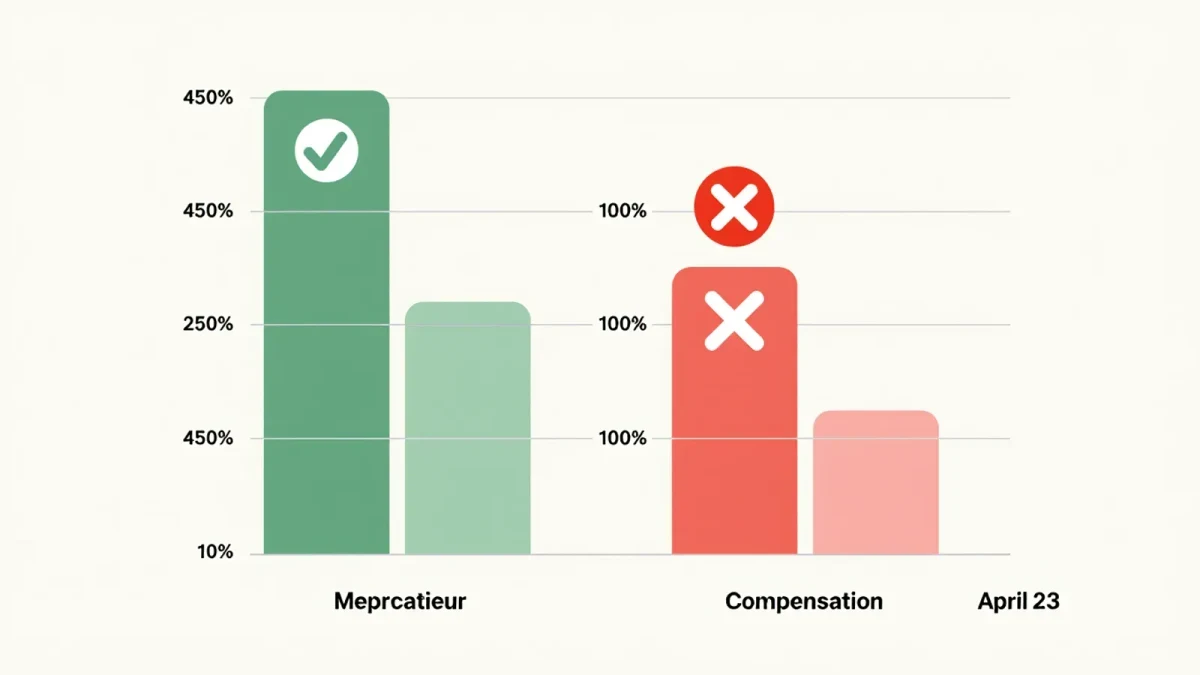
Paramount Skydance commenced an all-cash tender offer of $30 per share for every outstanding Warner Bros. Discovery share on December 8, 2025, valuing the company at roughly $108.4 billion, per Paramount's own investor-relations announcement. The move bypassed WBD's board entirely and put about $2.25 per share of cash premium on top of the $27.75 that Netflix had agreed to pay three days earlier.
The backstory is a two-round auction that broke open in public. Per WBD's December 5, 2025 announcement, Netflix won the board-run process with an $82.7 billion enterprise-value deal — $72.0 billion of equity plus $59 billion in committed debt financing from Wells Fargo, HSBC and BNP Paribas. Paramount had bid $26.50 in cash on December 1 and lost.
Rather than walk, David Ellison's Paramount took the offer directly to shareholders, backed by the Ellison family and RedBird Capital, per Paramount's December 8 statement. The tender offer is the money question: it forces WBD holders to choose between a signed deal with Netflix and a richer, unsigned promise from Paramount.
Who Wins If the Tender Succeeds?
Shareholders are the immediate winners on paper — $30 in cash beats $27.75, and arbitrage funds that piled into WBD stock after September 2025's unsolicited approaches get paid either way. Paramount wins scale: a combined studio would control the Warner Bros. library, HBO and DC franchises alongside Paramount's own slate.
Netflix loses leverage it thought it had locked up. Its December 5 agreement included a breakup fee and a spin-off structure for WBD's global linear networks, per the announcement — protections that now have to compete with a hostile bid that keeps the whole company together.
What Comes Next
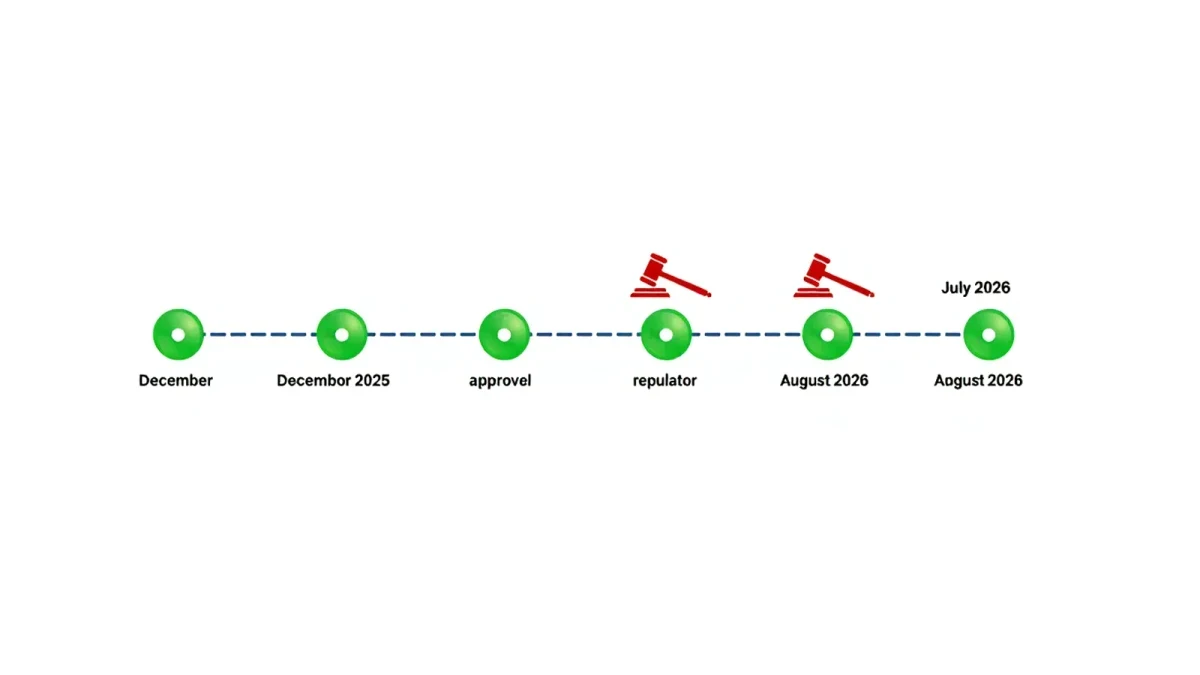
Tender offers run on fixed clocks. WBD's board must file its formal recommendation, and per Paramount's December 8 release, the offer's expiration and financing conditions will be tested against whatever the board says. Paramount also filed its FTC and DOJ forms the same week, starting the antitrust review.
The town has seen hostile paper before — but rarely for a studio the size of Warner. The last comparable direct-to-shareholder squeeze in media ended in a sale, not a defense, and every banker in Los Angeles knows it.
This article publishes information, not investment advice; readers should treat all figures as company-announced values, not independent valuations.