The Writers Guild of America sued on July 14, 2026 to block Paramount Skydance's $110 billion acquisition of Warner Bros. Discovery, alleging federal antitrust violations, per the guild's own announcement. The filing landed one day after twelve Democratic state attorneys general, led by California's Rob Bonta, filed their own Clayton Act suit to stop the deal.
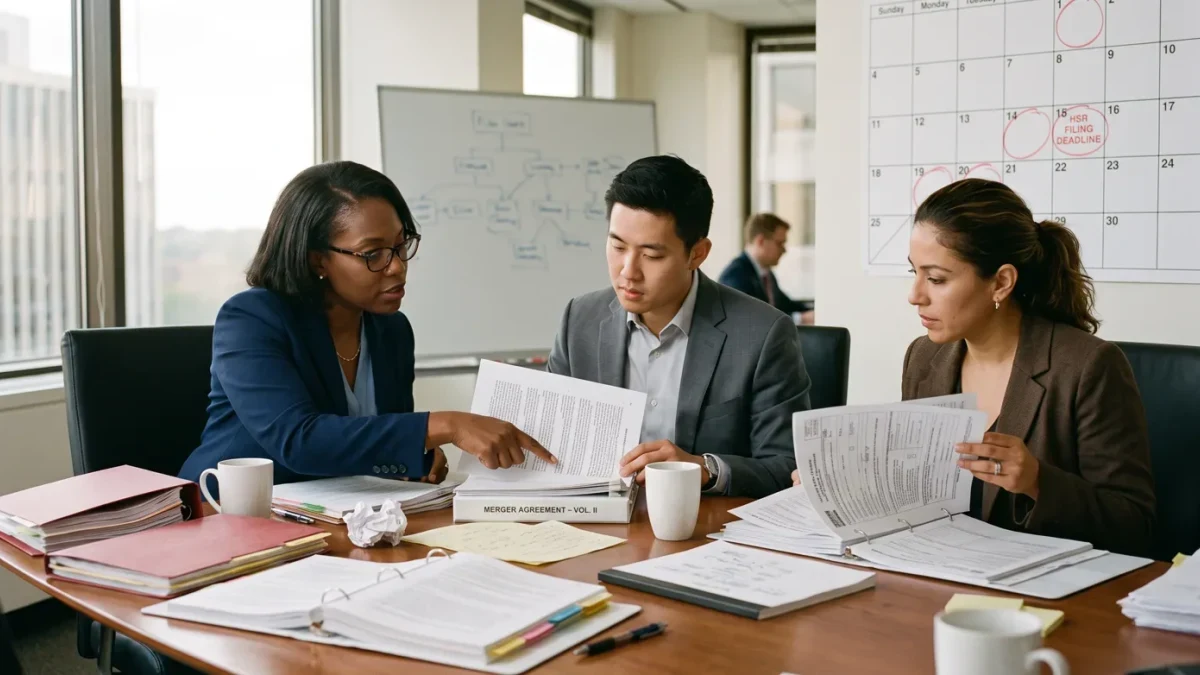
The guild's theory is about jobs, not just market share: a combined studio controlling the Warner, HBO and Paramount slates would concentrate too much of the market for scripted writing — episodic television chief among them — giving one buyer outsized power over wages and staffing. Per the complaint's framing, writers would face fewer competing employers with thinner leverage at every negotiation.
This article publishes information, not legal advice.
The Courts Moved Fast
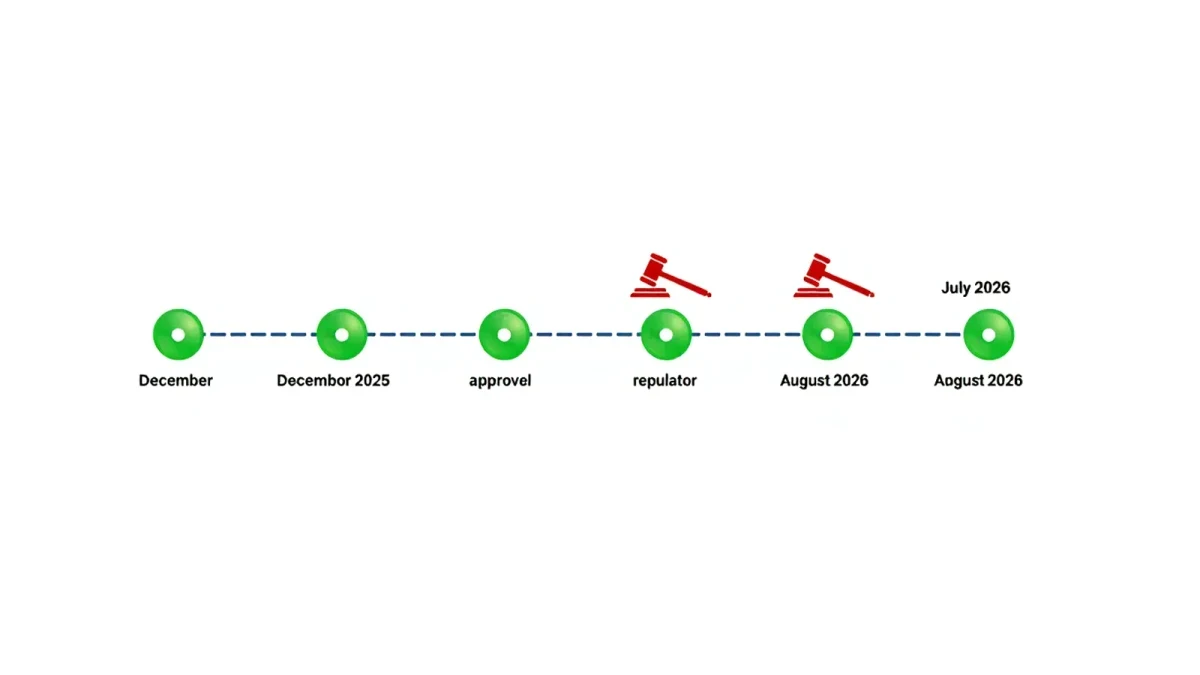
The litigation did not sit idle. On July 20, 2026, a federal judge issued a fourteen-day temporary restraining order pausing the acquisition, per Reuters' report on the ruling, and on July 24 the parties extended their merger deadline to June 1, 2027. On August 4, the antitrust trial was set for March 2-19, 2027, and Japan's regulator approved the same day — the deal's strangest month ending with a courtroom calendar and a green light in Tokyo in the same twenty-four hours.
What the Money Does Now
Every month of litigation is carrying cost. Paramount demanded a $1.88 billion bond from the suing AGs and the WGA in mid-August filings, per reports — a signal it intends to make delay expensive for the challengers. SAG-AFTRA, which said on July 27 it opposes the merger absent production guarantees, has not sued but holds the same leverage the writers just spent.
Winners, for now: writers' guild leadership, which converted merger review into a jobs platform, and the private plaintiffs' bar. Losers: WBD shareholders, whose $31 per share now waits on a 2027 trial date; arbitrage funds, watching the spread widen with each filing; and David Ellison's pledge of 30 theatrical releases a year, which only pays off if the machine closes.
A deal that cleared the DOJ on June 12 now hangs on a courtroom in Los Angeles. In this town, that is the oldest plot there is.