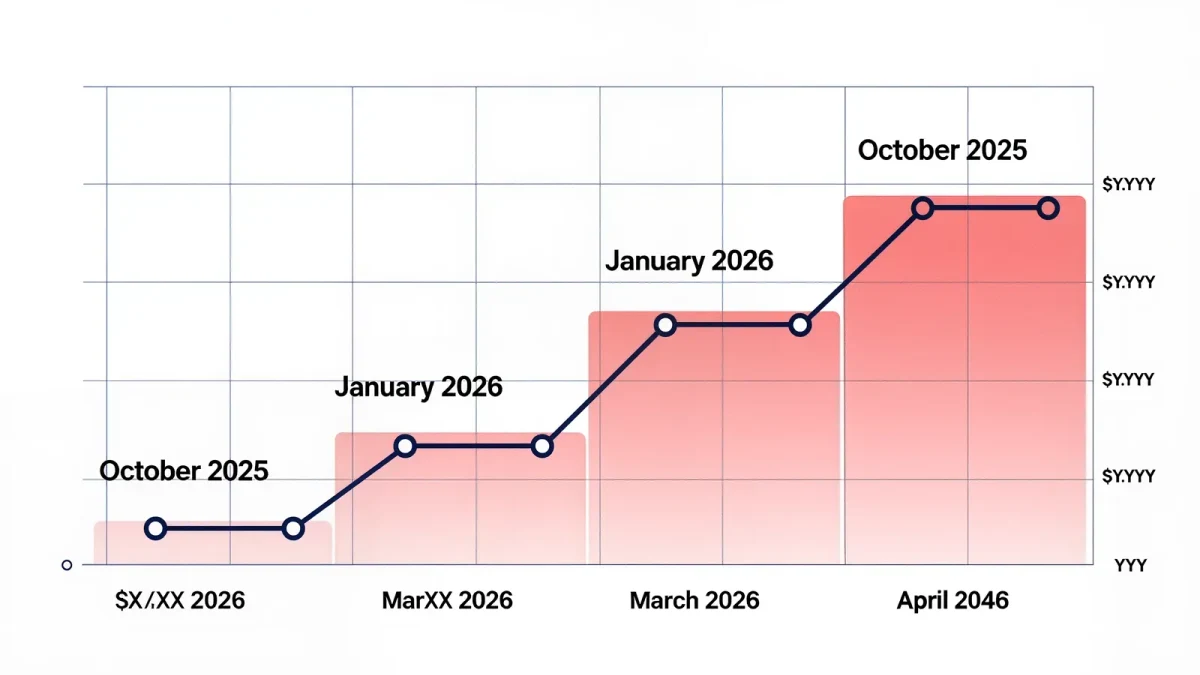
Netflix raised prices across all of its US plans on March 26, 2026, per Reuters, the streamer's second increase in less than a year. The standard ad-free plan went up $2 to $19.99 a month, premium climbed from $24.99 to $26.99, and the ad-supported tier rose $1 from $7.99 to $8.99.
The pattern is the story. The standard plan cost $15.49 before the 2025 increase moved it to $17.99, per Reuters — meaning the tier has taken a 29 percent jump in roughly a year.
Netflix notifies subscribers by email a month before new pricing takes effect on their account, so the full churn picture will not show up until the June-quarter numbers land.
Why the Ad Tier Only Went Up $1
The asymmetry is deliberate pricing architecture. Keeping the ad-supported plan under $9 while pushing ad-free tiers up $2 steers price-sensitive subscribers toward the tier where Netflix sells advertising on top of the subscription — two revenue lines from one household instead of one.
Analysts tracked by trade coverage expect streaming prices across the market to keep climbing in 2026, with each major service calibrating against what the others just got away with.
Who Wins and Who Tests the Exit
Winners: Netflix's advertising business, which gains inventory as subscribers migrate down-tier, and shareholders, who have watched price increases fund content spend without collapsing the subscriber base so far. Losers: ad-free households, now paying a cumulative premium for the same library, and password-sharing holdouts who already absorbed the paid-sharing crackdown.
The risk is the classic cable spiral — raise prices, shed a slice of subscribers, raise prices again. Netflix's own reporting has yet to show that loop. Every rival's pricing team just got a new excuse to test it.
The repeat increase tells investors where Netflix believes pricing power sits now that the ad tier and the password-sharing crackdown have matured. Each hike is a live test of churn, and a second round inside a year signals the company expects subscribers to absorb it, particularly with premium tiers carrying the load. Rivals read the same data: if the increase holds, expect Disney and Warner Bros. Discovery to move their own US prices within quarters. The risk is the ad tier, where every dollar matters most to the newest and least attached customers.