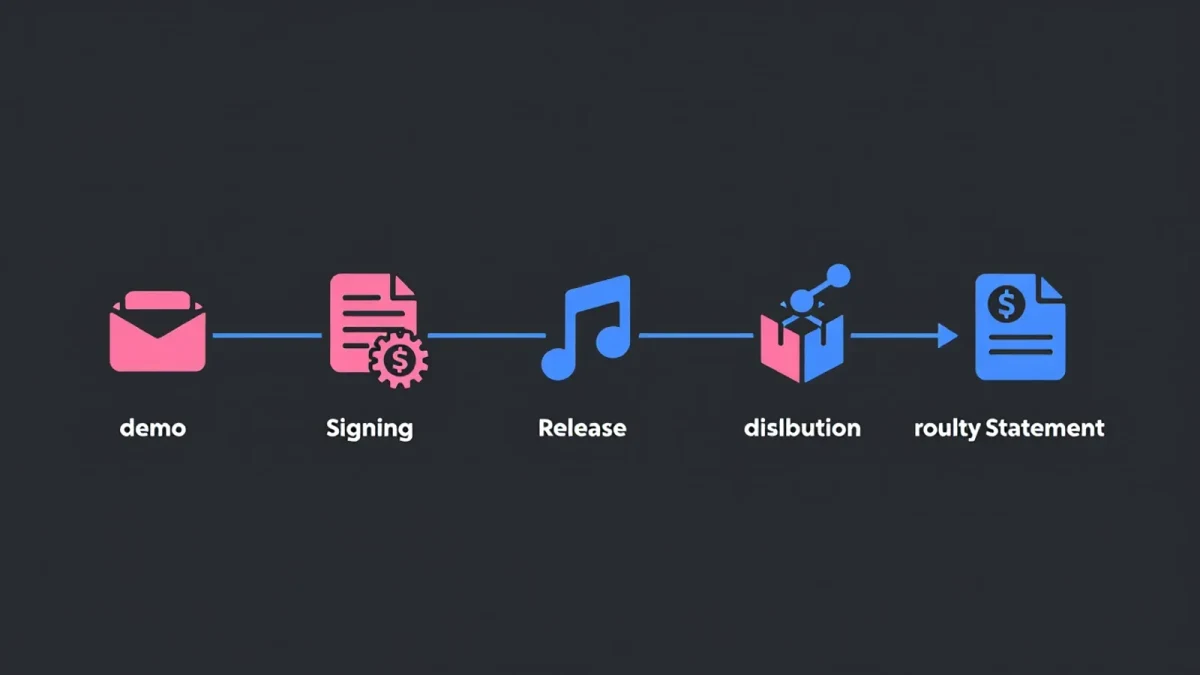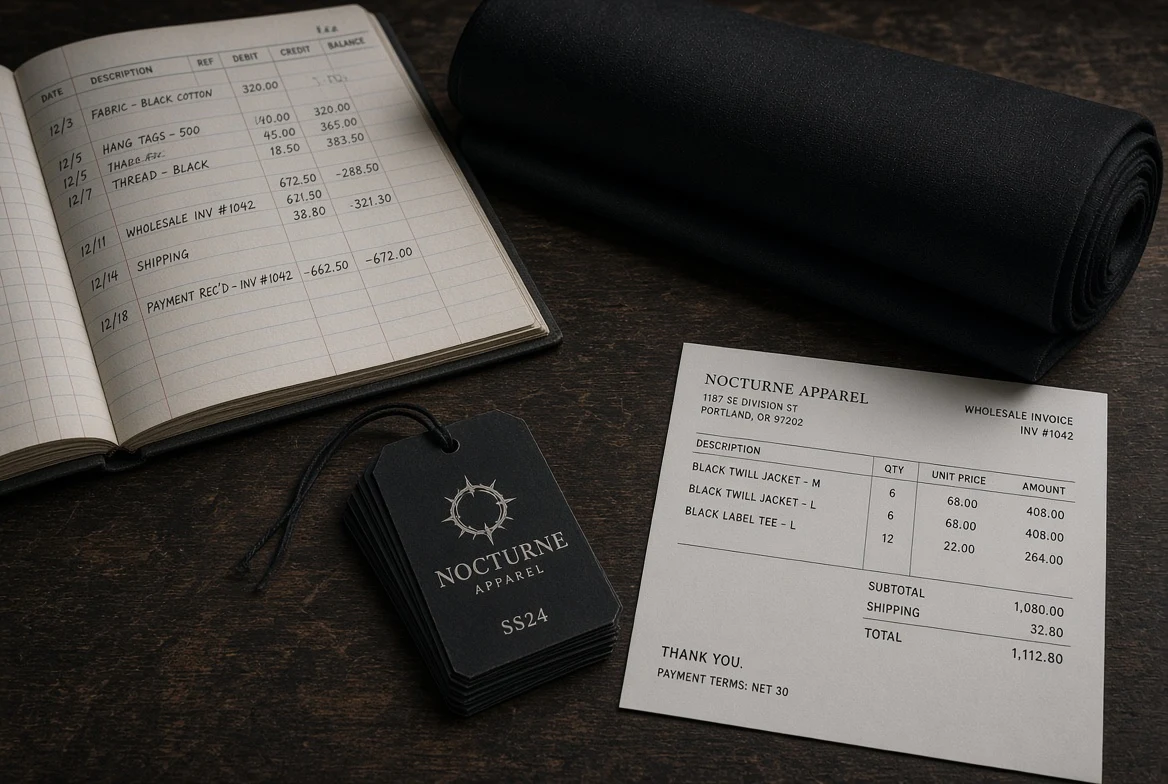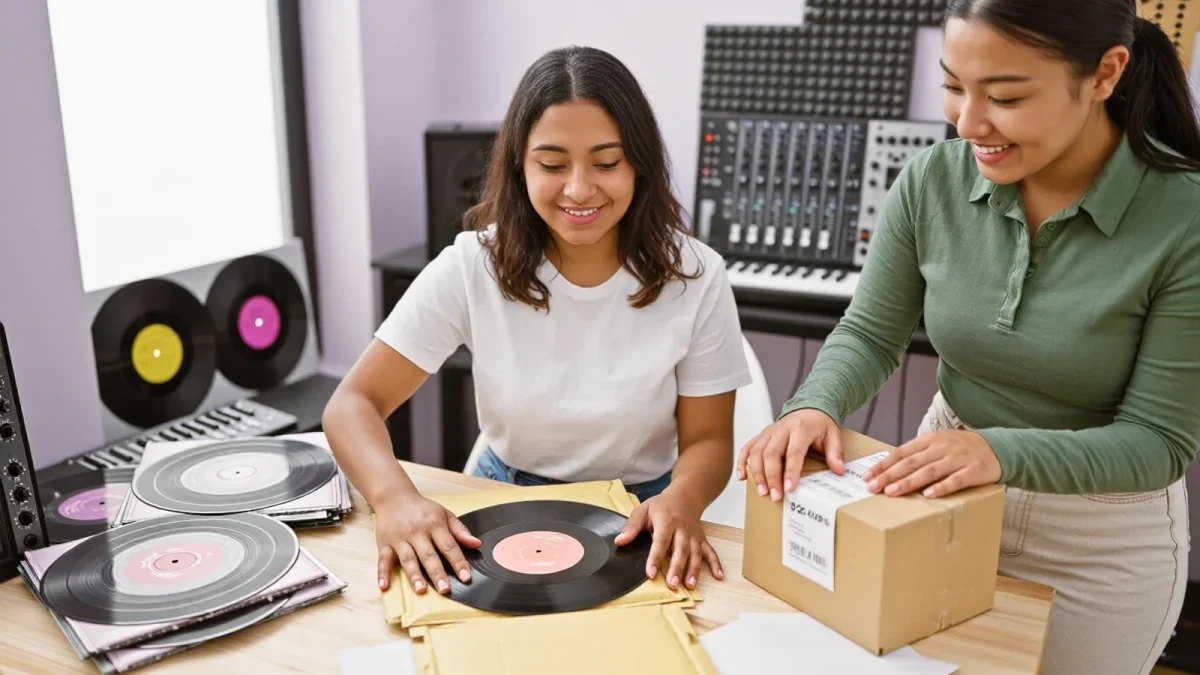
Going independent means a music star funds or distributes their own releases and keeps ownership of the recordings and publishing instead of trading them to a major label for advances and infrastructure. The economics hinge on one split: major-label royalty rates for featured artists have historically run in the low-to-mid teens of revenue for recorded music — a range documented in industry and artist-advocacy coverage of recording contracts, per BBC reporting on artist deals, 2020 — while a self-releasing artist keeping masters can retain a majority of streaming revenue after distributor fees. The trade is simple and brutal: keep the percentage, lose the machine.
This site publishes business information, not investment or legal advice. Contract terms vary individually; figures cited are attributed ranges from named coverage.
What Does a Star Actually Leave Behind?
Three things. The advance system: majors pay large recoupable advances against future royalties, and most releases never recoup. The infrastructure: promotion, radio, playlisting muscle, and global distribution relationships. And ownership: traditional exclusive recording contracts assigned the masters to the label for the copyright term. The star who walks keeps nothing of the machine but owes it nothing either — and, crucially, keeps the recordings they fund themselves.
The walk is not always clean. Stars under contract have instead bought back catalog, re-recorded it, or waited out terms. Taylor Swift's re-recordings strategy — creating new master recordings she owns after her original catalog was sold — became the genre-defining case, per BBC, 2021.
What Are the Paths to Independence?
Four, in increasing order of ambition. Distribution deals: the star owns everything and pays a distributor a percentage or flat fee for platform access — the core DIY model. Label-services deals: the star owns the masters and pays for marketing and radio à la carte. Joint ventures: an indie or major fronts money in exchange for a share of profits, not ownership. And full independence: the star's own company funds, releases, and markets everything.
Each rung trades more risk for more ownership. The fully independent star is running a small business whose flagship product is themselves.
What Money Comes In — and Who Takes a Cut?
Recorded revenue arrives from streaming, downloads, physical, and sync licensing. On streaming, the platform pays the recording's rights holder, so the split depends on who holds the master: self-owned releases lose only the distributor fee and taxes; label-owned masters pay the artist their contractual royalty after recoupment. Publishing income — performance, mechanical, sync on the composition side — follows the songwriter split, and independent stars typically keep a far larger share by owning their publishing or administering it through a collection entity rather than a full publishing deal.
The touring, merchandise, and brand-deal income that used to subsidize label economics stays with the star regardless — which is exactly why artists with strong live businesses are the best candidates for independence.
What Are the Real Costs the Label Used to Pay?
Recording budgets, marketing, video, radio promotion, playlist pitching, advance publicity, tour support, and the payroll of people who do all of the above. A major campaign for a frontline release runs to millions; an independent star either spends that from their own pocket or accepts a quieter launch. Marketing spend is the difference between an album and an event, and the independent artist pays cash for every bit of difference.
The hidden cost is leverage. Playlists, press, and retail features respond to relationships built over decades at scale. Independent stars mitigate with viral audience building and by hiring ex-label marketing teams as consultants — the ecosystem grew its own services layer precisely to rent that muscle back.
Who Has Made It Work?
The pattern-setters are documented. Chance the Rapper built a Grammy-winning career on streaming exclusivity without a label contract, per BBC, 2017. Taylor Swift's re-recordings converted a rights loss into an ownership and commercial event, per BBC, 2021. A wider cohort — stars with fanbases big enough to self-market — now routinely signs distribution or services deals instead of exclusives, a structural shift covered across music-business reporting since the late 2010s.
The common denominator is pre-existing demand. Independence monetizes an audience; it does not build one from zero. That is the unglamorous finding under all the freedom rhetoric.
What Does the Star Keep — Really?
The masters, the publishing (if not sold or assigned), the contact list, the margin, and the risk. In catalog terms, an independent star owns the asset the majors buy — the very catalogs that sold for nine figures in the 2020–2024 boom. Independence is therefore also an exit strategy: own the catalog, then sell it, and the years of self-funding arrive at the same table the label stars reach with their labels.
What Does Independence Look Like Five Years In?
Like a small enterprise. The successful independent star ends up running a company with release calendars, marketing retainers, a distributor relationship, publishing administration, and tour-linked merchandise logistics — headcount and overhead that used to be the label's problem. The margin advantage persists, but so does the fixed cost base, and the star now bears every down-cycle personally.
The strongest position is optionality: owning masters and publishing means the star can stay independent, sign a services deal for one campaign, or sell the catalog — choices a label-signed artist simply does not hold.
Frequently Asked Questions
Do independent artists really keep more per stream?
Yes, where they own the masters. After distributor fees, a self-releasing artist can retain a majority of recorded revenue, versus low-to-mid-teen royalty rates typical under major contracts, per BBC coverage of artist deal economics, 2020. But per-stream share is not per-stream profit — marketing comes off the top.
What is a distribution deal?
An arrangement where the artist owns the recordings and pays a distributor a fee or percentage to deliver them to streaming platforms and retailers. The distributor takes no ownership; the artist keeps masters, publishing choices, and most of the revenue.
Why did Taylor Swift re-record her albums?
To create new master recordings she owns after her original catalog's rights were sold without her participation. The re-recordings both restored her control of the commercial versions and revalued her leverage, per BBC, 2021.
Can an unknown artist go independent from the start?
Technically yes; economically it is the hardest path. Independence monetizes existing demand — the artists who thrive without labels almost always built audiences first. The advance system exists to fund artists who do not yet have one.
Is owning your catalog the point of independence?
Largely. Masters and publishing are the appreciating assets — the same catalogs that traded for nine figures in the 2020–2024 sales boom, per Reuters. Ownership means the star is building equity rather than amortizing a label's investment.