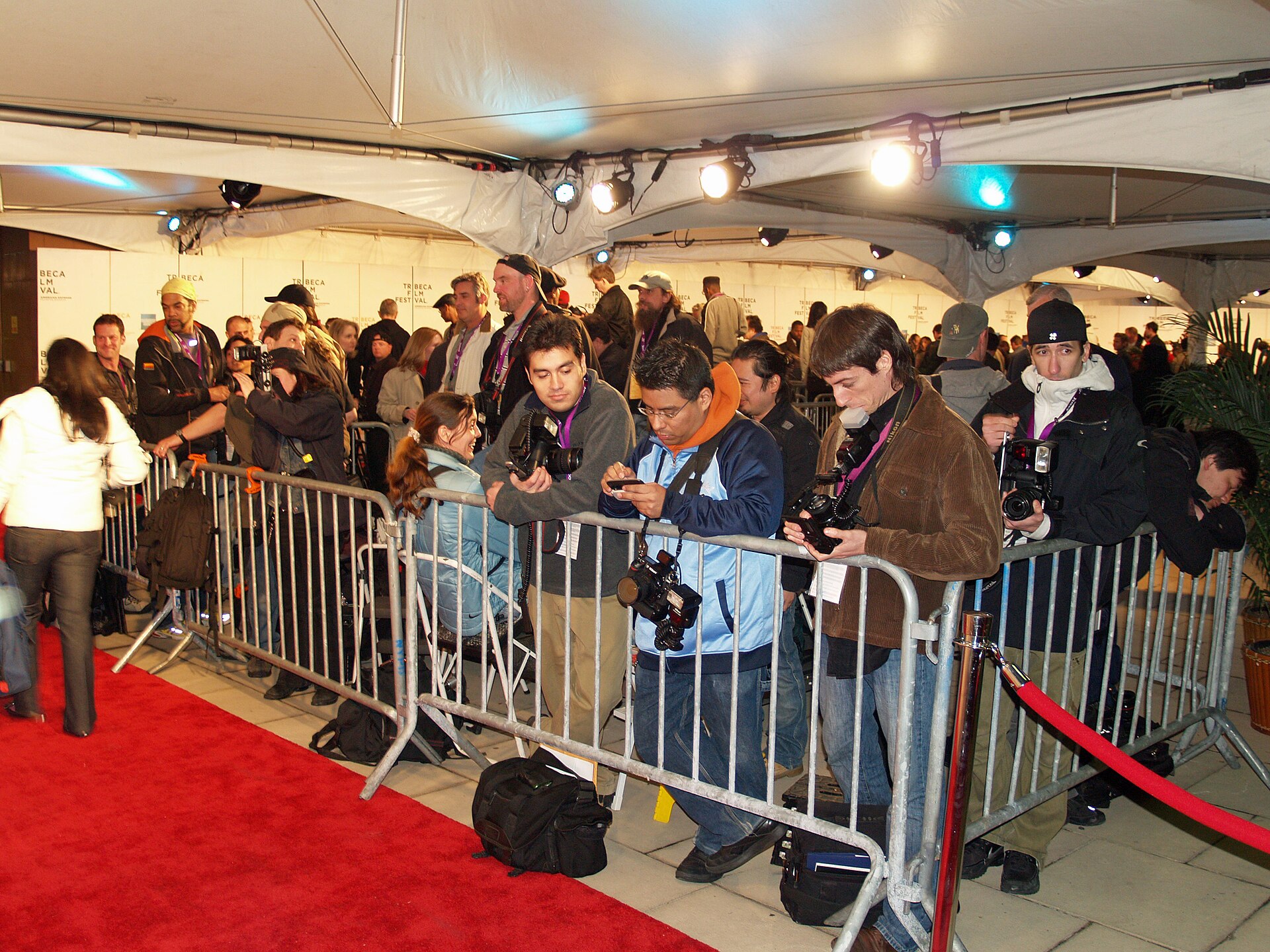
A star's entourage is a payroll: personal assistants, publicists, glam squads, trainers, security, business managers, agents, and lawyers, most of them compensated in structures ranging from weekly salary to per-day booking rates to 10 percent of everything the star earns. The combined drag is routinely described in the business as 30 percent or more of gross income once representative commissions alone are counted — agents at 10 percent by custom, lawyers and managers similarly slicing, per SAG-AFTRA's published guidance on talent-agent commissions for represented performers, ongoing. Fame, in other words, has an operating expense line.
This site publishes business information, not tax or employment advice. Employment structures below reflect general market practice described in trade and business coverage.
Who Is Actually on a Star's Payroll?
The core splits into company and contractors. The company side — personal assistants, chiefs of staff, estate staff, family-office employees — is typically hired and paid through the star's business entity or family office, with payroll taxes, benefits, and workers' compensation attached. The contractor side — hair, makeup, styling, photography, security detail, trainers — books per day or per event through loan-out arrangements of their own. The split matters: employees create ongoing obligations; contractors are variable cost.
The representative layer sits above both. Agents, managers, lawyers, and business managers are paid by commission or retainer out of the star's earnings, before lifestyle spending begins.
How Do Assistants and Household Staff Get Paid?
As employees, generally salaried through the star's entity, with pay that varies by market and seniority. Entry-level personal assistants in Los Angeles have been reported in the $25–$40 per hour range, with high-demand candidates commanding more, per The Hollywood Reporter's reporting on assistant pay, 2023. Chiefs of staff and estate managers at the top of celebrity households earn six figures. California employment law — overtime, meal breaks, sick leave — applies to household employees like any others, per the California Department of Industrial Relations, ongoing.
The loan-out structure matters here. Many stars employ staff through their production companies or personal LLCs, which converts scattered household hiring into a managed business with one set of books, one benefits platform, and cleaner tax treatment — assuming the business manager stays on top of filings.
How Does the Glam Team Charge?
By the job. Stylists, hair, and makeup professionals book day rates for events, shoots, and press days, with premium artists charging in the four figures per day in Los Angeles and New York, per The Hollywood Reporter's coverage of glam-team economics, 2019. Touring and film work converts the same talent onto weekly guarantees. Stylists at the top of the market may additionally receive retailer commissions or brand arrangement fees — a structure that occasionally generates its own controversy over who is really paying for a red-carpet look.
Glam is also where employer-versus-contractor lines blur. Most artists operate as independent businesses with their own kits, rates, and schedules — genuine contractors — which keeps them off the star's payroll but on the star's budget.
What Does Security Cost?
Residential details, travel protection, and event security are usually bought from licensed firms as a service, priced per agent per day or as a monthly retainer. Executive-protection pricing is not standardized publicly, but round-the-clock coverage is a seven-figure annual line item at the top of the market, consistent with reporting on celebrity security spending, per The Hollywood Reporter, 2022. Threat assessment, secure transport, and residential systems stack on top of bodies.
Security spend scales with exposure, not with income — a star mid-scandal can see protection costs spike exactly when commercial income drops, one of fame's cruelest budget lines.
How Do Commissions Stack Up?
The traditional stack is agent at 10 percent, manager at 10–15 percent, lawyer at 5 percent or hourly, and business manager at roughly 5 percent of income handled, with each representative's rate governed by their own agreement. SAG-AFTRA's published schedules of maximum agent commissions for represented performers cap what signatory agents may take on covered work, per SAG-AFTRA, ongoing. Add publicist retainers and the representative layer alone can approach a third of gross before any staff salary is paid.
The countermove is scale. Stars with businesses — production companies, brands, tours — negotiate commission carve-outs for enterprise income, so an agent commissions the acting fee but not the sale of a company the star founded. Where that line sits is a permanent negotiation.
Who Runs the Whole Operation?
Usually the business manager, an accountant-adjacent professional who consolidates the payroll, pays the commissions, files the taxes, and enforces a budget the star approves but rarely reads. Below them a chief of staff may run daily scheduling. The family office — informal or fully staffed — becomes the vessel once wealth crosses into investments, properties, and philanthropy, at which point the star is running a mid-size company whose product is the star.
Why Do So Many Entourages Go Broke Together?
Because the cost base is sticky while income is not. Staff, security, and retainers persist through droughts, and the instinct to keep the machine running while waiting for the next job has drained many a fortune — a pattern documented in coverage of celebrity bankruptcies for decades, per BBC reporting on entertainers who lost fortunes, 2018. The discipline that separates lasting wealth from famous busts is rarely earning; it is firing.
Frequently Asked Questions
Are celebrity assistants employees or contractors?
Genuine personal assistants are usually employees — salaried through the star's entity with payroll taxes and benefits — because their schedules are controlled and work is ongoing. California employment protections apply to household staff, per the state's Department of Industrial Relations. Misclassifying them is a common and expensive error.
How much do glam teams make per event?
Top hair and makeup artists and stylists charge day rates that reach four figures in major markets, per The Hollywood Reporter, 2019, with touring and film work often converting to weekly guarantees. Brand arrangement fees can add another layer for stylists.
What percentage of income do representatives take?
The customary stack — agent, manager, lawyer, business manager — can approach 30 percent combined before staff costs, with SAG-AFTRA capping signatory agents' commissions on covered work, per its published schedules, ongoing. Enterprise income is increasingly carved out of commissionable base.
Does the star pay taxes on staff?
Employed staff mean employer payroll taxes, workers' compensation, and benefits obligations, the same as any employer. This is information, not tax advice; stars' business managers structure staffing through entities precisely to manage these obligations.
Why do stars keep paying entourages between projects?
Largely retention and momentum: a trained team that disperses is expensive to rebuild, and security needs continue regardless of the calendar. The sticky cost base through income gaps is a documented driver of celebrity financial distress, per BBC, 2018.